
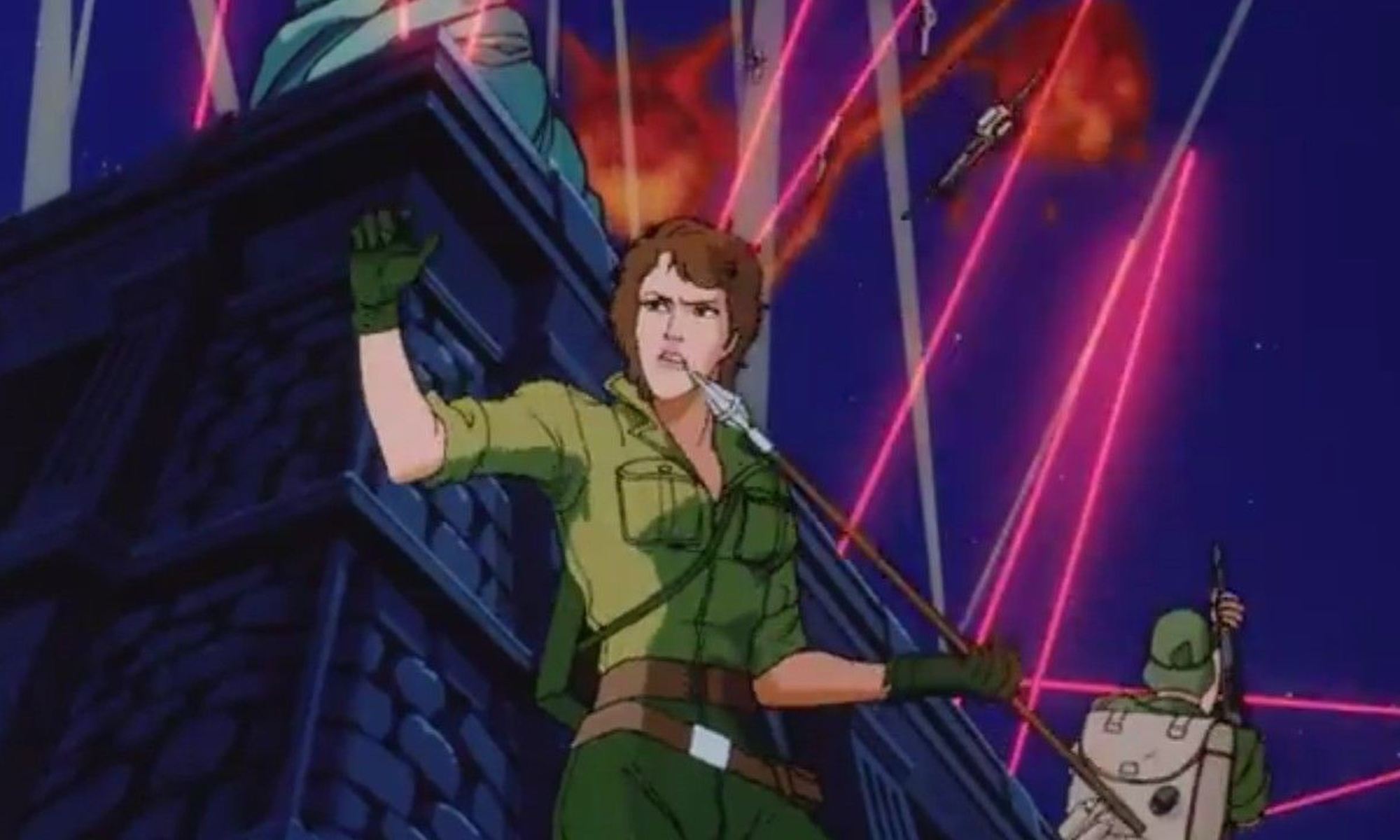
The Blood Moon Black Sabbath

The full moon hung heavy in the night sky, its eerie red hue casting an ominous glow over the streets of the small Portuguese village of Fátima. Inside Our Lady of Fátima Church, Father Antonio knelt in prayer, his rosary beads clutched tightly in his hands. The church was a sanctuary, a place of peace—but tonight, it felt like a battlefield.

Rumors had spread of a sinister gathering in the area. A group of child traffickers, emboldened by the occult symbolism of the blood moon, had chosen this sacred night to conduct their vile rituals. The villagers, fearful but resolute, turned to Joe Jukic, a man known for his courage and unorthodox methods.


Joe’s Iron Rod

Joe arrived at the church, his usual calm demeanor replaced with steely determination. In his hands, he carried a makeshift weapon: a length of rebar from a nearby construction site, with a rubber snake duct-taped to the end.

“What’s with the snake?” Father Antonio asked, his brow furrowed.

“Symbolism,” Joe replied with a wry grin. “They want to play with dark forces? Let’s give them something to think about.”


The Gathering Storm

As midnight approached, the traffickers gathered in a clearing near the church, their shadowy figures illuminated by the blood moon. Their whispers and chants carried on the wind, chilling those who heard them.

Inside the church, Father Antonio addressed the small group of villagers who had gathered for protection.

“Tonight, we face evil,” he said, his voice steady. “But remember the words of Revelation: ‘He will rule them with an iron rod; he will shatter them like pottery.’

Joe nodded. “I’ll make sure they get the message.”


The Confrontation

Joe strode into the clearing, his iron rod resting on his shoulder. The traffickers froze, their chants faltering as they turned to face him.

“This is sacred ground,” Joe said, his voice echoing with authority. “You’ve got two choices: leave now, or deal with me.”

One of the traffickers sneered, stepping forward. “You think you can stop us with that stick?”

Joe swung the rod in a wide arc, the rubber snake flopping dramatically. “Wanna find out?”

The traffickers hesitated, unnerved by Joe’s confidence and the surreal sight of the snake-taped weapon.


The Battle Under the Blood Moon

When one of the traffickers lunged at him, Joe reacted instantly. With a swift motion, he struck the man’s arm, sending him sprawling to the ground. The others hesitated, their bravado crumbling as Joe advanced.

“You’re not just fighting me,” Joe said, his voice rising. “You’re fighting against every innocent life you’ve harmed. And you will lose.”

The traffickers scattered, their courage no match for Joe’s relentless determination.


Victory and Reflection

When Joe returned to the church, the villagers erupted into cheers. Father Antonio placed a hand on his shoulder, his eyes filled with gratitude.

“You’ve done more than protect this church tonight, Joe,” he said. “You’ve reminded us that evil cannot stand against the light of justice.”

Turning to the congregation, Father Antonio quoted from Revelation once more:

‘To the one who is victorious and does my will to the end, I will give authority over the nations—he will rule them with an iron rod.’


A Symbol of Hope

The next day, the villagers gathered to thank Joe. The iron rod, now a symbol of their triumph, was placed in the church as a reminder of their courage and faith.

Joe, ever humble, waved off the praise. “It wasn’t just me,” he said. “It was all of us, standing together. And maybe a little help from above.”

Under the bright morning sun, the shadow of the blood moon faded, and with it, the fear that had gripped the village. The traffickers were gone, and the people of Fátima could once again find peace in their sanctuary.


What do you think of this post?
  • Awesome (0)
  • Interesting (0)
  • Useful (0)
  • Boring (0)
  • Sucks (0)

Justice in the Shadows

The air in The Hague was tense, a mix of anticipation and determination that buzzed through the halls of the International Criminal Court. Angelina Jolie, now a seasoned diplomat and UN Special Envoy, stood at the center of a media storm. Her mission: to lead a groundbreaking tribunal investigating war crimes in Iraq, including the controversial actions of the U.S. government during the 2003 invasion.

Beside her were two unlikely allies: Prime Minister Nelly Furtado of Canada and her husband, Joe Jukic, a relentless advocate for justice and human rights. Together, they had pledged to support Jolie in exposing the hidden truths of the Iraq War, no matter how powerful the figures they challenged.


The Gathering Storm

In the tribunal chambers, Jolie presented evidence of the devastating consequences of the Iraq War:

  • Depleted Uranium Munitions: Their use had left a legacy of cancer and birth defects, not only among Iraqi civilians but also among American soldiers exposed to radioactive dust.
  • Anthrax Vaccines: Hastily administered to U.S. troops, the vaccines had caused debilitating side effects, with many veterans suffering long-term health issues.
  • Civilian Casualties: Thousands of innocent lives lost in the chaos of “shock and awe” campaigns, drone strikes, and indiscriminate bombings.

The most damning claim: former U.S. President George W. Bush had authorized actions that violated international law, leading to unnecessary suffering on both sides of the conflict.

Bush, however, dismissed the tribunal as a “political circus.” Speaking from his Texas ranch, he proclaimed, “I did what was necessary to protect freedom. History will vindicate me.”


Nelly and Joe’s Role

Nelly and Joe had come to The Hague not just as observers but as active participants in the fight for accountability.

Nelly used her platform as Prime Minister to rally international support for the tribunal, calling on world leaders to stand against impunity. In a speech to the UN General Assembly, she declared:

“No one, no matter how powerful, is above the law. The Iraq War was not just a tragedy for Iraq; it was a tragedy for humanity. If we fail to seek justice, we fail the victims and ourselves.”

Joe, meanwhile, worked behind the scenes, connecting with veterans’ groups and whistleblowers who had firsthand knowledge of the atrocities. He met with soldiers who had suffered from depleted uranium exposure and anthrax vaccines, encouraging them to testify.

One such soldier, Sergeant Michael Torres, broke down as he recounted his story. “I believed I was fighting for freedom,” he said, his voice shaking. “But I was just a pawn. They didn’t care about us—they used us.”


The Confrontation

The turning point came when Bush was subpoenaed to testify. Protected by a team of high-powered lawyers, he initially refused, claiming executive immunity. But Nelly and Jolie were relentless, leveraging international pressure and media scrutiny.

When Bush finally appeared, the courtroom was electric. Jolie led the questioning with a calm yet piercing intensity.

“Mr. Bush,” she began, “are you aware that the use of depleted uranium has caused irreversible harm to both Iraqi civilians and your own troops?”

Bush shifted uncomfortably. “I was acting on the best intelligence available at the time.”

Joe leaned forward from the gallery, his voice cutting through the silence. “Intelligence doesn’t justify poisoning your own people.”

The room erupted in murmurs, the weight of Joe’s words hanging heavy.


The Verdict of History

The tribunal’s findings were damning. While Bush himself escaped formal charges due to legal loopholes and geopolitical complexities, the tribunal declared the Iraq War a violation of international law. The use of depleted uranium and the mishandling of anthrax vaccines were condemned as gross negligence, and reparations were recommended for victims.

Nelly and Joe returned to Canada with a renewed sense of purpose. In a press conference, Nelly reflected:

“Justice is not always swift, nor is it always complete. But every step toward accountability is a step toward healing. We owe that to the victims of war, to the soldiers who sacrificed, and to future generations.”

Jolie, for her part, continued her work with the UN, using the tribunal as a precedent for future cases.


A Legacy of Courage

The tribunal did not bring Bush to full justice, but it shattered the illusion of untouchable power. It sent a clear message: the world was watching, and the days of unchecked impunity were numbered.

As they walked through the quiet streets of The Hague, Joe turned to Nelly. “Do you think it made a difference?”

Nelly smiled, the weight of the fight still visible in her eyes. “Every truth we uncover is a victory. And sometimes, that’s enough to change the world.”

Angelina Jolie joined them, her voice soft but resolute. “The fight isn’t over. But together, we’ve shown that even the most powerful can be held accountable.”

And in the distance, the bells of justice tolled, their sound a promise of hope for a world yearning for peace.

What do you think of this post?
  • Awesome (0)
  • Interesting (0)
  • Useful (0)
  • Boring (0)
  • Sucks (0)

The Gulf Horizon Mission

The air above the Gulf of Mexico was heavy with the acrid smell of oil. The once-pristine waters shimmered with a slick, toxic sheen, the aftermath of the Gulf Horizon spill. Nelly Furtado and Joe Jukic stood on the deck of a small fishing boat, gazing out at the devastation. Around them, volunteers worked tirelessly, scooping oil from the surface and tending to wildlife coated in the black sludge.

“This is worse than I imagined,” Joe said, shaking his head. “How do you even start to clean up something like this?”

“With determination and the right tools,” Nelly replied, her voice steady. “And a little faith.”

Father Sebastian stood at the bow of the boat, his weathered Bible open to Revelation 8:9. His voice carried over the waves:

“And the third part of the creatures which were in the sea, and had life, died; and the third part of the ships were destroyed.”

He closed the book, his expression grave. “The sea is crying out for us to take responsibility. Let’s answer the call.”


Natural Solutions

Unlike the chemical dispersants used in the initial response, Nelly and Joe’s team relied on natural methods to heal the waters. They had brought bales of hay, bags of human hair collected from salons, and mats made from coconut coir—materials known for their ability to absorb oil without harming marine life.

Joe tossed a bundle of hay into the water, watching as it quickly soaked up the slick. “It’s amazing how something so simple can make such a big difference.”

Nelly nodded, spreading a coir mat across the surface. “Nature often has the best solutions. We just need to pay attention.”

Oil Eating Mushrooms

One form of bioremediation involves the use of fungi to remove pollutants from contaminated areas. This is known as mycoremediation, a term invented by biologist Paul Stamets. His field of study is mycology, the study of mushrooms, which are used during mycoremediation to decontaminate polluted areas. Mushrooms secrete acids and enzymes that aid in the decomposition of complex organic contaminants, making them ideal for use in oil spills.

In an experiment involving soil contaminated with diesel oil, Dr. Stamets’ team treated the soil with oyster mushrooms, which broke down almost all of the oil into nontoxic components after only four weeks.

Volunteers worked in unison, deploying the materials across the spill. As the hay and coir absorbed the oil, it was carefully collected and transported to shore for safe disposal. The team also used bio-remediation techniques, introducing oil-eating microbes to break down the remaining hydrocarbons.


A Prayer for the Sea

As the sun dipped toward the horizon, the team paused for a moment of reflection. Father Sebastian stood at the edge of the boat, his gaze fixed on the water.

“The sea has given us so much,” he said. “Food, life, beauty. Now it’s our turn to give back.”

He bowed his head in prayer, his words a quiet plea for healing and restoration. Nelly and Joe joined him, their hands stained with oil but their hearts full of hope.


Signs of Recovery

Days turned into weeks as the team continued their efforts. Slowly, the waters began to clear. Dolphins returned to the area, their sleek bodies cutting through the waves. Birds, once grounded by oil-soaked feathers, took to the skies again.

Joe stood on the shore, watching a pelican take flight. “It’s working,” he said, a note of wonder in his voice.

Nelly smiled. “Nature is resilient. It just needs a little help sometimes.”

Father Sebastian approached, his Bible tucked under his arm. “This is a reminder,” he said, “that even in the face of great destruction, there is always hope. We are stewards of this earth, and when we act with care and compassion, we can make a difference.”


A Renewed Commitment

As the Gulf waters healed, the team knew their work wasn’t over. The spill had left scars, both on the environment and in their hearts. But it had also strengthened their resolve to protect the planet.

“We can’t undo what’s been done,” Nelly said, her gaze on the horizon. “But we can choose to do better moving forward.”

Joe nodded. “And make sure something like this never happens again.”

Father Sebastian placed a hand on their shoulders. “You’ve done good work here. Let this be a testament to what’s possible when people come together for a greater purpose.”

As the sun set over the Gulf, the waters shimmered with a new light—a light of hope, resilience, and renewal. Together, they had turned a tragedy into a story of healing, proving that even the darkest waters could be cleansed.

What do you think of this post?
  • Awesome (0)
  • Interesting (0)
  • Useful (0)
  • Boring (0)
  • Sucks (0)
Nelly Fan
Translate »