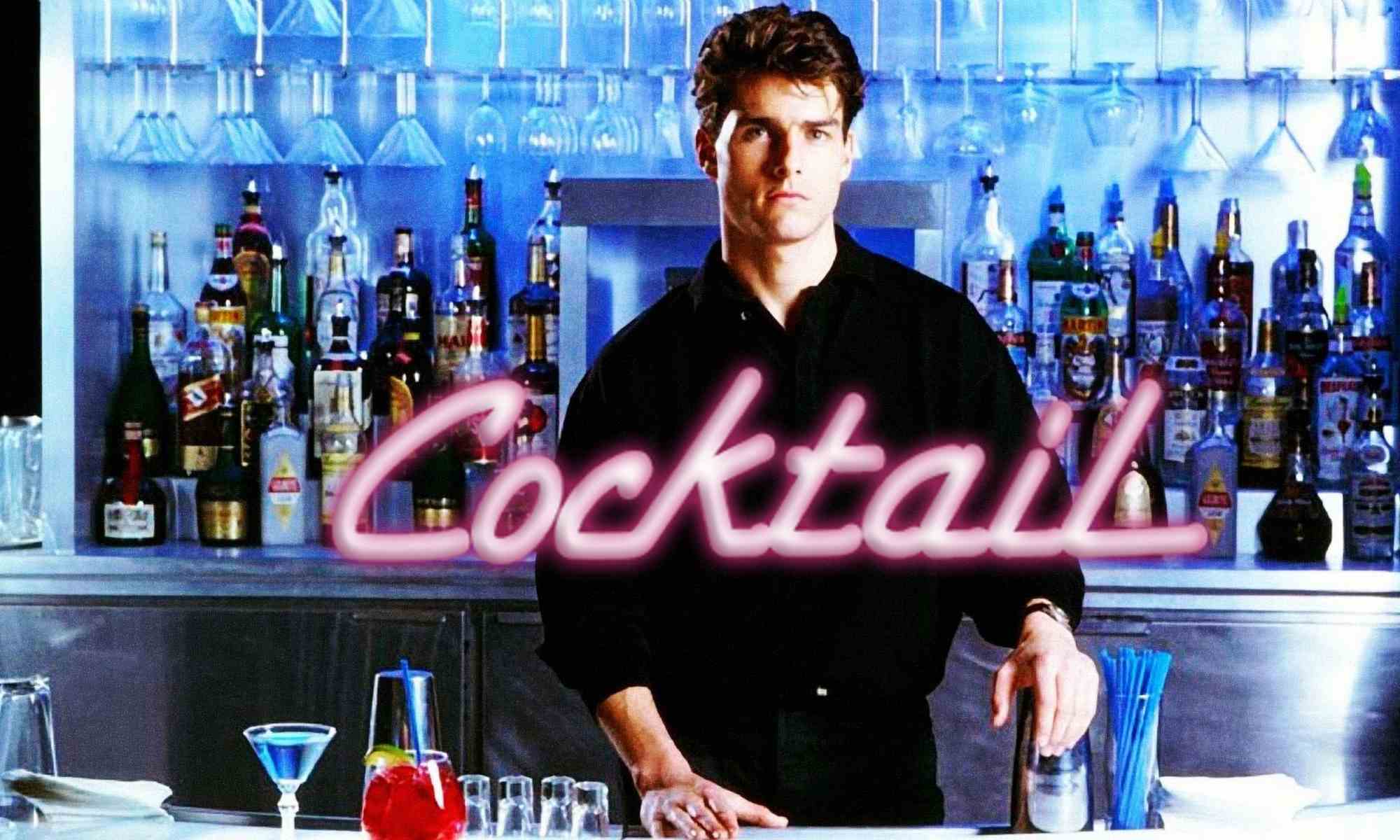
Brian Flanagan’s Favorite Alcohol-Free Mocktails for Madison Tevlin (from the bartender who once ruled the bar at “Cocktails & Dreams”)
Brian grins as he lines up his shakers: “Just because it’s alcohol-free doesn’t mean it can’t knock your socks off with flavor. These are my go-tos for Madison—bright, balanced, and with a touch of showmanship.”
🍓 1. The Ruby Sunrise
Tastes like: A tropical sunrise in a glass. Ingredients:
3 oz fresh orange juice
2 oz pineapple juice
1 oz pomegranate juice (poured last for that sunrise effect)
Splash of lime
Crushed ice
Flanagan flair: Pour the pomegranate slowly down the side of the glass so it sinks to the bottom—sunrise magic, no tequila needed.
🍋 2. Cucumber Cooler
Tastes like: Spa day meets summer patio. Ingredients:
3 cucumber slices
1 oz fresh lime juice
1 tsp honey or agave
3 oz sparkling water or tonic
Mint leaves
Shake & serve: Muddle cucumber, lime, and honey, top with sparkling water and mint. “Cooler than a cucumber,” Brian says.
🍍 3. Coconut Mojito
Tastes like: The Caribbean, minus the hangover. Ingredients:
1 oz coconut water
1 oz lime juice
6 mint leaves
1 tsp raw sugar
Sparkling water
Trick: Clap the mint between your palms before adding—it releases the oils. “Bar science, not rocket science.”
🍒 4. Cherry Cola Smash
Tastes like: Nostalgia with a twist. Ingredients:
2 oz tart cherry juice
4 oz natural cola (no caffeine if you like)
½ oz fresh lemon juice
Maraschino cherry & lemon wheel to garnish
Why Madison loves it: It’s sweet but classy—old-school diner meets cocktail lounge.
🫐 5. Blueberry-Ginger Fizz
Tastes like: Sweet heat and sparkle. Ingredients:
¼ cup blueberries
1 oz lemon juice
½ tsp grated ginger
1 tsp maple syrup
Soda water
Method: Muddle, shake with ice, strain into a tall glass, top with soda. “That ginger kick,” Brian winks, “keeps you honest.”
🍏 6. Green Apple Spritz
Tastes like: Crisp, tart refreshment. Ingredients:
2 oz fresh green apple juice
1 oz elderflower syrup or cordial
½ oz lemon juice
Soda water
Presentation: Serve in a wine glass with apple slices—just as elegant as champagne.
Brian sets down the shaker and smiles:
“Madison, the secret isn’t the booze—it’s the balance. Flavor, color, texture, and the story behind each glass. You don’t need alcohol to toast life. You just need style.” 🥂
Brian Flanagan’s Signature Mocktail for Madison Tevlin: “The Tevlin Twist” (A story about color, courage, and friendship.)
Brian leans over the bar, polishing a glass the way bartenders do when they’re really thinking about something.
“You know, Madison, I used to think being a bartender was all about flash—flipping bottles, catching ice cubes, charming crowds. But the truth is, I spent half my life pretending. Pretending I could read the labels, the menus, the recipes. I had dyslexia bad. My old man didn’t understand. He’d call me every name in the book—‘lazy,’ ‘dumb,’ ‘hopeless.’ Only thing worse than the words was believing them.”
He takes a slow breath, eyes distant.
“Then Joe came along. My friend, my miracle worker. He built this online page he called Eyes Wide Shut. Said it would rewire the brain with color. He used Sir Isaac Newton’s ROYGBIV—red, orange, yellow, green, blue, indigo, violet—the seven colors of the visible spectrum. Each letter bathed in its own hue, pulsing like light through stained glass. When I stared at it, something shifted. The letters stopped dancing. The words started to make sense.”
He smiles, softly this time.
“Joe said color isn’t just for seeing—it’s for healing. He taught me to read, not by rules or drills, but by rhythm and light. That’s when the world opened up.”
He begins mixing a drink, layering colors like pages of a story.
🍹 The Tevlin Twist
Tastes like: Bright redemption—sweet, tart, and glowing with purpose.
Ingredients:
2 oz pink grapefruit juice (for the red-orange sunrise)
1 oz honey syrup (golden yellow)
½ oz lime juice (green spark)
1 oz muddled blueberries (deep indigo)
Splash of violet-hued hibiscus soda (to complete the spectrum)
Ice
Garnish: Rainbow citrus twist and mint leaf—because even colors need a place to rest.
Method:
Muddle blueberries in the shaker.
Add grapefruit, lime, and honey syrup.
Shake well and strain into a clear glass over ice.
Top with hibiscus soda so the violet crown rises to the surface.
Brian slides the glowing drink toward Madison.
“See that? Seven colors, one drink—like Joe’s page. Every shade means something. Every mistake can be remixed into beauty. That’s what reading taught me.”
He raises his glass with a grin.
“To color therapy, to friendship, and to seeing the world with both eyes—and a little heart—wide open.”
Scene: “The Tevlin Twist” — The Bar at Closing Time
The lights are low. The bar glows softly in a gradient of Newton’s seven colors—red through violet—reflecting off the glass of The Tevlin Twist. Madison Tevlin sits across from Brian Flanagan, who looks more like Tom Cruise than the bartender he once was. The air feels honest, heavy, but healing.
Madison: (gently) “Brian… or should I say, Tom—can I ask you something real?”
Brian: (nods, resting his elbows on the bar) “Shoot.”
Madison: “When you said your dad called you names… did he ever—did he ever call you the R word?”
(A long pause. The sound of the ice machine hums in the background. Brian looks down at his glass, the colors swirling like memories.)
Brian: “Yeah… he did.” (voice cracks slightly) “That one… that one cut the deepest. You can shake off a lot in life, but that word—it sticks. Makes you question your worth. For years, I believed him. Thought maybe I was broken, slow, defective.”
(He takes a sip, eyes distant.) “But Joe proved him wrong. He built that Eyes Wide Shut color page—Newton’s seven lights shining through my darkness—and suddenly, I could read. Words stopped swimming, they stood still. It was like learning to breathe again.”
Madison: (softly) “That must’ve felt incredible.”
Brian: “It did. But…” (he hesitates, the ache returning) “My dad never saw it. Never saw me read a single word. He passed before I could show him. That… that hurt more than all the names combined.”
(He wipes his eyes quickly, pretending it’s just something in the air.)
“Funny thing is, I still hear his voice sometimes. But now, when I do, I answer him—with words I can finally read myself. That’s my redemption.”
Madison reaches across the bar and touches his hand.
“Then that’s what this drink should stand for,” she says. “Not just color and healing—but forgiveness. You changed the story. You gave the ending a brighter hue.”
Brian smiles faintly, lifting The Tevlin Twist one last time.
“To Joe… to fathers we forgive… and to every word we finally learn to see for ourselves.”
(They clink glasses, the light bending across the bar in a perfect ROYGBIV spectrum.)
The Bogdanov Twins Warn Humanity: “Shortages Are Coming”
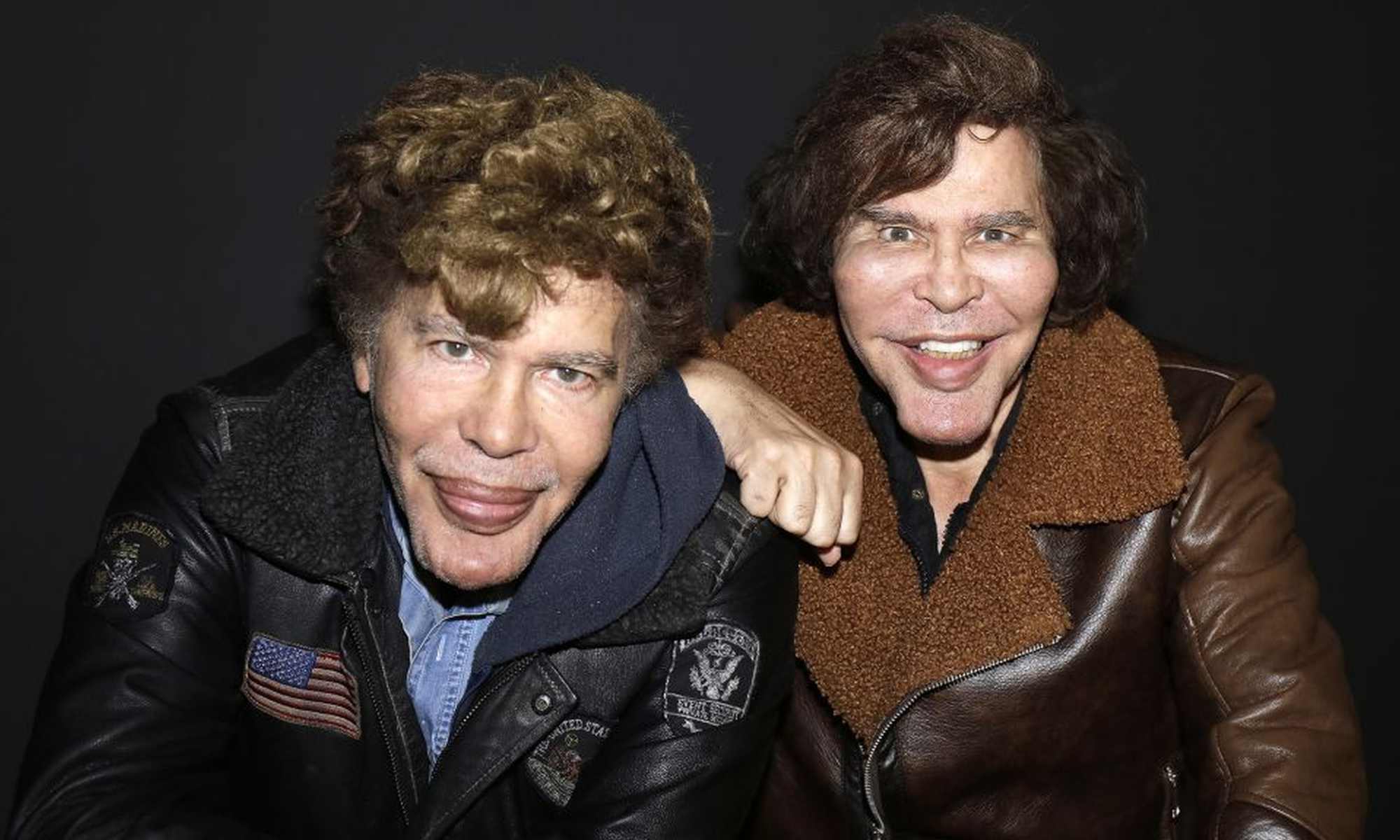
The lights flickered in the underground broadcast studio. A soft hum of static filled the air as two identical figures sat before the camera—Igor and Grichka Bogdanov. Their piercing gazes, sharper than ever, cut through the screen like a cosmic prophecy.
Igor:“Humanity… you were warned.”
Grichka:“You laughed at the toilet paper crisis of 2020. You fought in the aisles like savages. But that was only the beginning.”
The feed distorted momentarily, as if the universe itself trembled at their words.
Igor:“Toilet paper was a test. A mere illusion of scarcity. The real shortages… are coming.”
Grichka:“Food. Water. Energy. Medicine. Even the rarest of elements, the very materials that power your digital world.”
The camera zoomed in on their enigmatic faces, as if they were gazing directly into the future.
Igor:“They have engineered this collapse. The supply chains were never designed to sustain you. They were designed to fail when the moment was right.”
Grichka:“And the moment is approaching.”
A pause. Silence heavier than a neutron star. Then, a final warning:
Igor:“The elite will have their bunkers, their hoards, their exits. But you? You must prepare. Decentralize. Grow your own food. Find alternative energy sources.”
Grichka:“Or you will beg in the streets for a crumb of bread while they sip champagne in the sky.”
The CIA’s alleged involvement in the cocaine trade, particularly during the 1980s, has been a topic of significant controversy. The most well-known allegations stem from reports that the CIA helped facilitate drug trafficking into the United States to support anti-communist Contra rebels in Nicaragua. This controversy gained attention due to the investigative journalism of Gary Webb, whose Dark Alliance series for the San Jose Mercury News in 1996 claimed that CIA-backed Contra groups allowed cocaine to be smuggled into U.S. cities. Webb’s articles suggested that this influx of cocaine contributed to the crack epidemic, particularly in African American communities in Los Angeles.
A CIA internal investigation confirmed that agency members were aware of drug trafficking among the Contras but did not pursue action to stop it. Later government inquiries, such as those from the Senate and the CIA’s Inspector General, acknowledged that while the CIA may have indirectly facilitated drug trafficking by turning a blind eye, they found no direct evidence that the agency orchestrated or directly benefited from these drug sales.
The “CIA cocaine conspiracy” remains a complex and sensitive subject, largely due to the societal impact of the crack epidemic and the broader implications of U.S. foreign policy in Latin America during the Cold War
Canada’s drug policy is evolving as the country grapples with a rising overdose crisis largely due to synthetic opioids, especially fentanyl, which have made the illegal drug supply highly toxic. Since 2016, the opioid crisis has led to over 44,000 deaths, spurring policy changes at both federal and provincial levels. Recent steps include a notable decriminalization pilot in British Columbia that permits small quantities of certain drugs for personal use to reduce stigma and encourage safer consumption practices. However, this pilot has met with mixed responses, as advocates feel it doesn’t go far enough in addressing supply issues or supporting harm reduction programs fully.
Canada has also intensified efforts around harm reduction, including expanding safe consumption sites and supporting access to safer supply programs. For instance, the federal government has launched targeted awareness campaigns and harm reduction initiatives to destigmatize substance use, particularly for at-risk demographics like trades workers who have seen elevated opioid-related fatalities. The policy landscape is still under debate, with calls for national decriminalization and better legal frameworks to differentiate personal use from trafficking, a topic gaining urgency as overdose rates persistently high
Drug prohibition is a policy aimed at restricting the production, distribution, and consumption of certain substances, often due to concerns about public health, safety, and social order. The roots of drug prohibition trace back to early 20th-century legislation, notably the 1914 Harrison Narcotics Tax Act in the United States, which regulated and taxed the production of opiates and coca products. This model influenced international treaties, such as the 1961 UN Single Convention on Narcotic Drugs, which established a global framework for classifying and controlling substances like cannabis, opiates, and cocaine.
While prohibition intended to curb drug use and associated harms, it has also led to unintended consequences, such as the growth of illicit markets, criminal justice burdens, and public health challenges due to unsafe drug supplies. Critics argue that prohibition disproportionately affects marginalized communities and fuels a cycle of criminalization. In recent years, several countries have moved toward decriminalization and harm reduction approaches, focusing on public health over punishment. Portugal, for example, decriminalized all drugs in 2001, treating drug use as a health issue rather than a criminal one, which led to reductions in overdose deaths and drug-related incarceration rates.
Supporters of prohibition contend it deters use and helps maintain public safety, while opponents advocate for reform, suggesting policies that prioritize health-based responses and address socioeconomic factors related to substance use. The debate continues as evidence grows regarding alternative approaches like decriminalization and regulation of some substances for reducing harm.
CONCLUSION
Canadian Intelligence is the best in the world, we can stop anything we want to stop from coming over the border. We just lack the political will.