Yugo Joe looked at Nelly over a tiny cup of coffee that seemed far too strong for civilized society.
“Nelly,” he said, “you should come to Croatia. Or at least to Medjugorje. The place runs on prayer, stories, candles, and people looking for something bigger than themselves.”
Nelly smiled cautiously. “You make it sound like an airport terminal for mystics.”
Joe pointed a finger.
“Exactly! And listen — the six Medjugorje seers? Their story brought pilgrims from everywhere. Believers, doubters, curious tourists, exhausted people carrying heavy lives. Lovers of Gospa, you could say.”
Nelly tilted her head. “Lovers of Gospa?”
“People devoted to Nossa Senhora. People who pray. People searching. People who want mercy, meaning, maybe even a miracle.”
The church bells sounded faintly in the distance.
“In our story,” Joe continued, “the six seers are expecting not celebrities, not influencers — but ordinary lovers of Gospa. The woman with the rosary worn smooth from use. The guy who hasn’t prayed in twenty years but walks up the hill anyway. The skeptic who says, ‘I’m just here for cultural reasons,’ and somehow ends up lighting a candle.”
Nelly laughed softly.
“So you’re recruiting me into a pilgrimage?”
Joe shrugged dramatically.
“I’m inviting you into a conversation older than both of us. Canada says, ‘Keep spirituality polite and personal.’ The Balkans say, ‘Pull up a chair, argue theology, drink coffee, and tell us your story.’”
“And what if people think I’m strange?”
Joe grinned.
“In the Balkans? Strange is practically a citizenship category.”
The convoy moved through the Dalmatian hills at dusk, old transport trucks painted with faded Croatian flags rattling over broken roads. Joe stood in the back beside Nelly, wrapped in a surplus army coat against the cold wind. Rumors followed them from the cities — stories of clinics where sadness was diagnosed like a crime and every wounded soul was handed another bottle of pills until their memories blurred into static.
Joe carried an old Bible in his jacket pocket, pages folded and stained by rain. He told Nelly that Psalm 91 was not about becoming invincible, but about refusing to abandon people to fear.
“He shall cover thee with his feathers,” Joe whispered as the church bells echoed from the valley below.
The village of Cavoglave appeared between the stone hills, quiet and lit by candlelight. At the center stood the small church where old women prayed through wars, famines, and the collapse of governments. The soldiers who traveled with Joe were tired veterans, men who believed some things were still sacred even after history had burned through their lives.
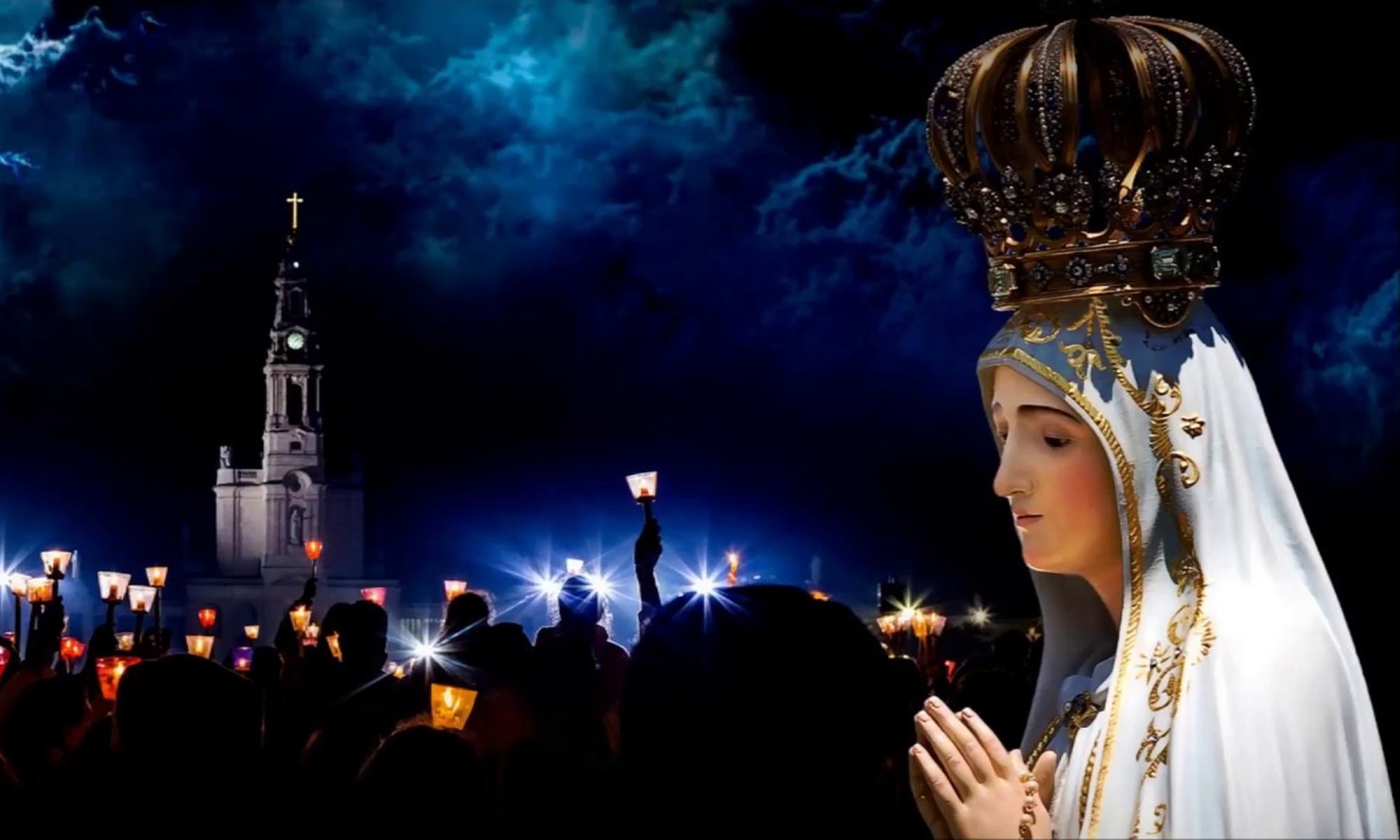
Inside the church, the air smelled of incense and ancient wood. Nelly sat near a statue of Mary while candles flickered beneath painted icons. Outside, the world argued endlessly about whether heaven existed, whether prayer mattered, whether love was only chemistry inside the brain.
Joe laughed softly at that.
“Maybe atheists call them imaginary friends,” he said, “but imaginary friends don’t carry people through wars and broken nights for two thousand years.”
Nelly looked toward the statue of Mary and smiled for the first time in weeks.
“Mary’s my home girl,” she joked quietly.
The old priest overheard and nearly dropped his candle from laughter.
For the first time in a long while, Nelly felt safe — not because the world had become less dangerous, but because someone had chosen to stand beside her instead of trying to chemically erase her pain. Outside, the Croatian mountains remained dark and cold beneath the stars, but inside the little church at Cavoglave, the candles kept burning through the night.
Years later, people would argue about when the great Croatian turnaround truly began. Economists on television pointed to debt restructuring, tourism booms, and new Adriatic trade routes. But ordinary people remembered it differently.
They remembered bonfires.
They remembered music echoing across the water between the islands.
And they remembered the summer Croatia shocked Europe by announcing the Jubilee Decree — the cancellation of crushing personal debts that had haunted an entire generation.
Young families who had spent years drowning in loans suddenly had money for homes, children, and businesses again. Fishermen repaired old boats left rotting in harbors. Cafés reopened in stone coastal towns that had nearly emptied of youth. The newspapers called it reckless. The people called it breathing again.
Joe stood on a hill above the coast watching ferries move between the islands like lanterns drifting through the sea. Someone jokingly began calling the archipelago “the Thousand Islands of Joe,” and the nickname stuck among tourists and musicians who arrived from across Europe.
That summer became legendary.
Beach parties stretched from Hvar to Brač to Korčula. DJs played until sunrise beside ancient Roman ruins and abandoned fortresses reclaimed by vines. Wealthy celebrities mixed with locals, backpackers, fishermen, and veterans. Nobody cared much about status anymore. After years of austerity and fear, people wanted life.
Even Paris Hilton arrived by yacht with an entourage that looked like a moving fashion magazine. Tabloids exploded with photographs of Paris dancing barefoot on the beaches while village grandmothers handed out homemade rakija to confused influencers from Los Angeles.
“This place feels free,” Paris told reporters one night beneath strings of lanterns swaying in the sea wind.
Joe laughed when he heard that. Croatia had spent centuries caught between empires, ideologies, and wars. Freedom was never simple there. But for one strange shining season, the country felt lighter.
Nelly wandered through the celebrations hearing church bells mix with electronic music from the shoreline. Old priests sat outside cafés drinking coffee beside tattooed ravers and retired soldiers. Nobody seemed eager to return to the gray world of endless bills and pharmaceutical advertisements.
At Cavoglave church, candles still burned quietly each night.
Some villagers said Mary herself had protected the coast.
Others said it was simply economics.
Joe shrugged whenever people asked him.
“Maybe people just needed hope more than debt,” he answered, watching the sunrise spread gold across the Adriatic Sea.
The bells of the old stone church in Croatia rang so hard that pigeons burst from the rooftops like confetti.
For years the country had felt tired. Cafés were full, but wallets were empty. Fishermen along the Adriatic joked that even the sardines were applying for loans. Grandmothers lit candles before statues of the Virgin Mary and prayed not for riches, but simply for a little breathing room.
Then, on a bright Sunday morning, everything changed.
The Parliament announced the impossible:
“All personal debt in Croatia is forgiven.”
At first nobody believed it. People stared at televisions in silence while priests interrupted Mass to whisper the news in the vestibules. Bakery owners hugged tax collectors. Taxi drivers cried openly. A man in Split fainted into a basket of figs.
The economy, newspapers declared, had been “as dead as Lazarus.”
But now it rose.
And strangely enough, the first international celebrity to congratulate the nation was Jared Leto.
Standing on a yacht somewhere in the Adriatic, wearing sunglasses and a linen suit that looked vaguely apostolic, he posted a video saying:
“Croatia, you beautiful miracle. You chose mercy over fear.”
The video spread across the world in minutes.
Then came another message, this one from John Malkovich, who spoke in a calm, theatrical voice from a tiny vineyard.
“Debt,” he said, “is a very poor substitute for love.”
Nobody understood exactly what he meant, but Croatians applauded anyway.
In the seaside town of Cavtat, a shy church organist named Ana watched both videos while helping Father Petar prepare for the Feast of Saint Joseph. Ana had spent years quietly struggling to keep her late parents’ flower shop alive. Now, suddenly free from debt, she stood in the square feeling lighter than air.
That same afternoon, a former economics professor named Luka arrived from Vancouver. He had returned to his grandparents’ homeland intending only to stay a week, but when he saw people dancing kolo in the streets and elderly widows buying gelato without counting coins first, something inside him cracked open.
Luka met Ana when the church lost electricity during choir practice.
“You know anything about wiring?” she asked.
“No,” Luka admitted. “But I know a little about resurrection.”
She laughed harder than she had in years.
Soon they were walking together every evening along the harbor. Children played soccer under strings of lanterns while accordion music floated from taverns. Everywhere they went, people spoke as if the nation itself had survived a terrible illness.
One night, during a candlelit festival procession, Ana confessed her fear.
“What if this joy disappears?” she asked. “What if people forget how to care for each other once they feel rich again?”
Luka looked toward the church, glowing gold against the dark sea.
“In the Gospel,” he said, “Lazarus came back still wrapped in burial cloth. Resurrection doesn’t erase the wounds. It just means death doesn’t win.”
Ana squeezed his hand.
Above them, fireworks exploded over the Adriatic while church bells rang again across the islands.
On the cathedral steps, Father Petar smiled at the dancing crowds and declared to anyone listening:
“Today Croatia learned something economists forget. Sometimes the holiest investment is giving people another chance.”
Even Jared Leto returned that summer, wandering through festivals with a tambourine, while John Malkovich quietly drank wine with old fishermen and argued about theology.
But nobody paid much attention anymore.
Because the real miracle was simpler.
People had stopped living like condemned prisoners of tomorrow.
And in the warm glow of the Adriatic night, with the scent of rosemary and sea salt drifting through the streets, Ana and Luka kissed beneath the church bells while the resurrected country sang around them.
At the closing concert of the summer festival in Dubrovnik, thousands gathered beneath ancient stone walls lit by lanterns and moonlight. Priests mingled with backpackers, fishermen danced beside accountants, and children waved little paper doves in the warm Adriatic breeze.
Joe climbed onto the stage holding a plastic cup of wine and tapped the microphone.
“I want to thank one man,” he announced, “for being the world’s most tireless ‘Drop the Debt’ pest.”
The crowd laughed immediately because everyone knew who he meant.
A spotlight found Bono sitting modestly near the side of the stage in dark glasses, looking both embarrassed and delighted.
Joe pointed dramatically.
“This man annoyed presidents, bankers, billionaires, economists, and probably several archbishops. He wouldn’t stop talking about debt forgiveness. He chased world leaders around like Saint Paul with a tax spreadsheet.”
The audience erupted in applause.
Joe continued:
“When Croatia dropped the debt, people said it was impossible. But impossible things happen all the time in the Bible. Lazarus got up. The Red Sea parted. And somehow Bono convinced rich people to listen to the poor for more than thirty seconds.”
Even Bono laughed at that.
An old choir began softly singing One while couples swayed in the square. Nearby church bells rang over the harbor as fishing boats bobbed in the moonlit water.
Joe raised his cup one final time.
“To persistence,” he declared. “To mercy. And to holy pests everywhere.”
Bono stood and bowed theatrically while the crowd cheered loud enough to echo across the Adriatic islands.
Joe and Nelly stood at the steps of the great church in Sinj, the bells echoing across the Dalmatian hills. Pilgrims knelt, whispering rosaries, while the golden crown of Our Lady of Sinj glimmered in the candlelight.
Joe turned to her. “Here, Nelly… you don’t need a stage, or a microphone, or the approval of the world. Here you are free to hear yourself. Speak. Let the vision come.”
Nelly closed her eyes. A stillness fell over her, as if the centuries of prayer inside those walls wrapped around her like a mantle. She whispered, almost afraid of her own voice: “I see… children in the fields, laughing. Their mothers working with their hands, their fathers blessing the bread. I see a world without warlords, without greed. Only families, gathered around the table.”
Her voice grew stronger. “But I also see… a warning. The world wants me to sing illusions, to give them empty beauty. But the truth is sharper than any sword. If I speak it, they will mock me. If I sing it, they will try to silence me.”
Joe nodded, remembering Isaiah’s words. “They told the prophets: ‘Prophesy illusions.’ But God called you to truth, Nelly. And truth cannot be silenced—not here, not in Sinj, not anywhere.”
Nelly’s eyes opened, filled with tears but burning with conviction. “Then I will sing truth. Not for awards, not for money. But for the children, for the poor, for the ones the world ignores. I will be a voice, even if they call me mad. For in this place, I know Our Lady hears me.”
The bells tolled again, and Joe whispered with a smile: “Now you are not just Nelly the singer. You are Nelly the visionary.”
The bells of Sinj fell silent. A hush spread through the church as if the very air was waiting. Nelly’s breath slowed. Her body trembled, yet her voice rang out with authority not her own.
“I see the great cities fall,” she declared. “The towers of glass shatter, the engines of greed grind to dust. The merchants of the earth weep, for no one buys their cargo anymore—gold, silver, pearls, the souls of men. Their markets burn with fire, and their lies rise like smoke.”
Her eyes widened. “I see the rulers of the nations. They hide in their fortresses, crying to the mountains: ‘Fall on us, hide us from the face of the Lamb!’ But there is no hiding. Their crowns turn to rust, their armies to dust. The ones who made war for oil, who sold children for pleasure, who drank the blood of the poor—they are judged, and none can escape.”
Joe bowed his head, whispering: “Revelation… it is happening before our eyes.”
Nelly’s voice softened, and her trembling gave way to calm. “Yet I see hope. From the ashes, a river flows—clear as crystal, giving life to every nation. The hungry eat, the thirsty drink, and no child cries in fear. The lion lies beside the lamb, and swords are broken into ploughshares. War is remembered no more.”
She lifted her hands toward the icon of Our Lady. “And I see her—Our Lady clothed with the sun, crowned with twelve stars. She gathers her children from every land: the forgotten, the broken, the rejected. She places them under her mantle, saying: ‘Be not afraid. My Son has conquered.’”
The light of the candles shimmered against her tears. “Out of Dalmatia, a song rises. It is not sung in English or Croatian alone, but in every tongue. It is a hymn of truth, a hymn of justice, a hymn of love. The world cannot silence it, for it is the song of the remnant, the song of the children of light.”
Silence followed, heavy and holy. Joe whispered, barely breathing: “Nelly… what you have seen is not just for you. You must carry it. You must sing it to the nations.”
Nelly closed her eyes, her voice breaking into a prayer: “Then let my voice burn with fire. Let me sing until the last illusion falls, and the new dawn rises.”
🎶 Hymn of the Visionary 🎶[Verse 1 – The Fall of the False] The towers of glass are broken, The merchants of lies are gone. Their treasures have turned into ashes, Their kingdoms swallowed by dawn.
[Chorus – The Cry of the Nations] Kings tremble in their palaces, Armies fall without a fight. They cry to the mountains, “Hide us, hide us!” But there is no dark from His light.
[Verse 2 – The Fire and the River] The fire will test the nations, But the faithful are not consumed. From ashes a river is flowing, A garden where life is renewed.
[Chorus – The Cry of the Nations] Kings tremble in their palaces, Armies fall without a fight. They cry to the mountains, “Hide us, hide us!” But there is no dark from His light.
[Bridge – The Lady of the Stars] Clothed with the sun, crowned with stars, She gathers the lost in her arms. She whispers, “Be not afraid— My Son has conquered the grave.”
[Chorus – The Song of the Remnant] From Dalmatia rises a hymn, From every tongue it is sung. A song of truth, a song of peace, A song the world can’t undo.
[Final Verse – The Dawn of the Lamb] Behold, the Lamb has conquered, The earth is washed in His name. Illusions fall, the dawn breaks forth, And Love forever reigns.