Scene: Joe and Nelly talking late at night after watching Dune and Dune: Part Two.
Joe leans back on the couch, thinking.
Joe: You know something interesting, Nelly? In Islamic prophecy the Mahdi—the one who restores justice—is supposed to come from the family of Fatimah bint Muhammad, the daughter of the Prophet Muhammad. The idea is that when the world gets too corrupt, someone from that lineage rises to bring balance back.
Nelly: So basically… the real-world version of Paul Atreides?
Joe nods toward the TV where images of Paul Atreides flash across the screen.
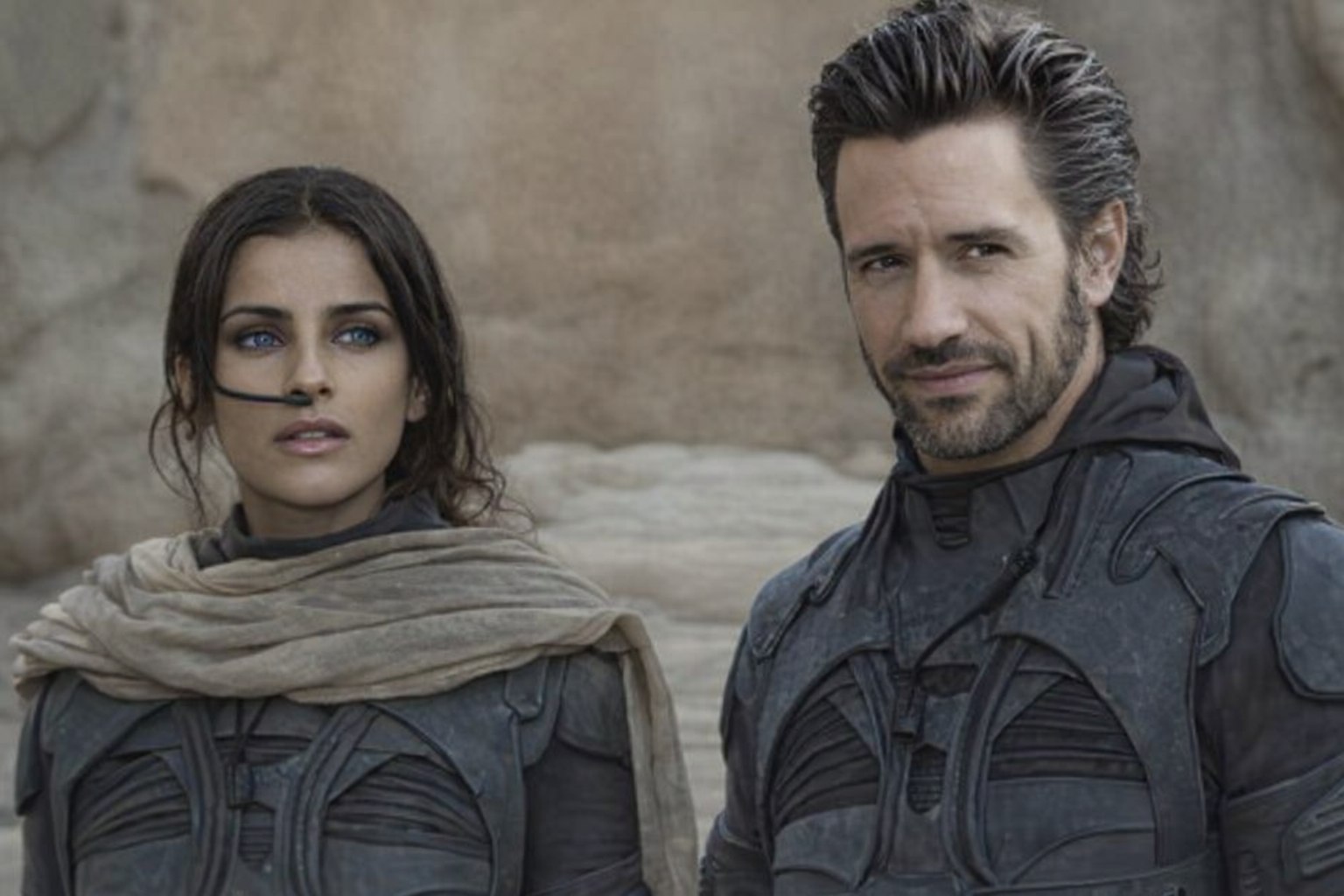
Joe: Yeah. Hollywood’s desert prophet. Except in the movie he’s played by Timothée Chalamet, and Chani is played by Zendaya. They get the whole cinematic prophecy.
Nelly laughs.
Nelly: Meanwhile we’re sitting here on a couch in Vancouver competing with a billion-dollar sci-fi franchise.
Joe: Maybe not so crazy. Think about it. Your Portuguese ancestors include the Moors, Muslim people who lived in Iberia for centuries. And some of my ancestors came out of the Ottoman world—the Janissaries, the elite soldiers of the sultans.
Nelly: So you’re saying our family trees wandered through the same civilizations that carried those prophecies.
Joe: Exactly. Different branches of the same historical story.
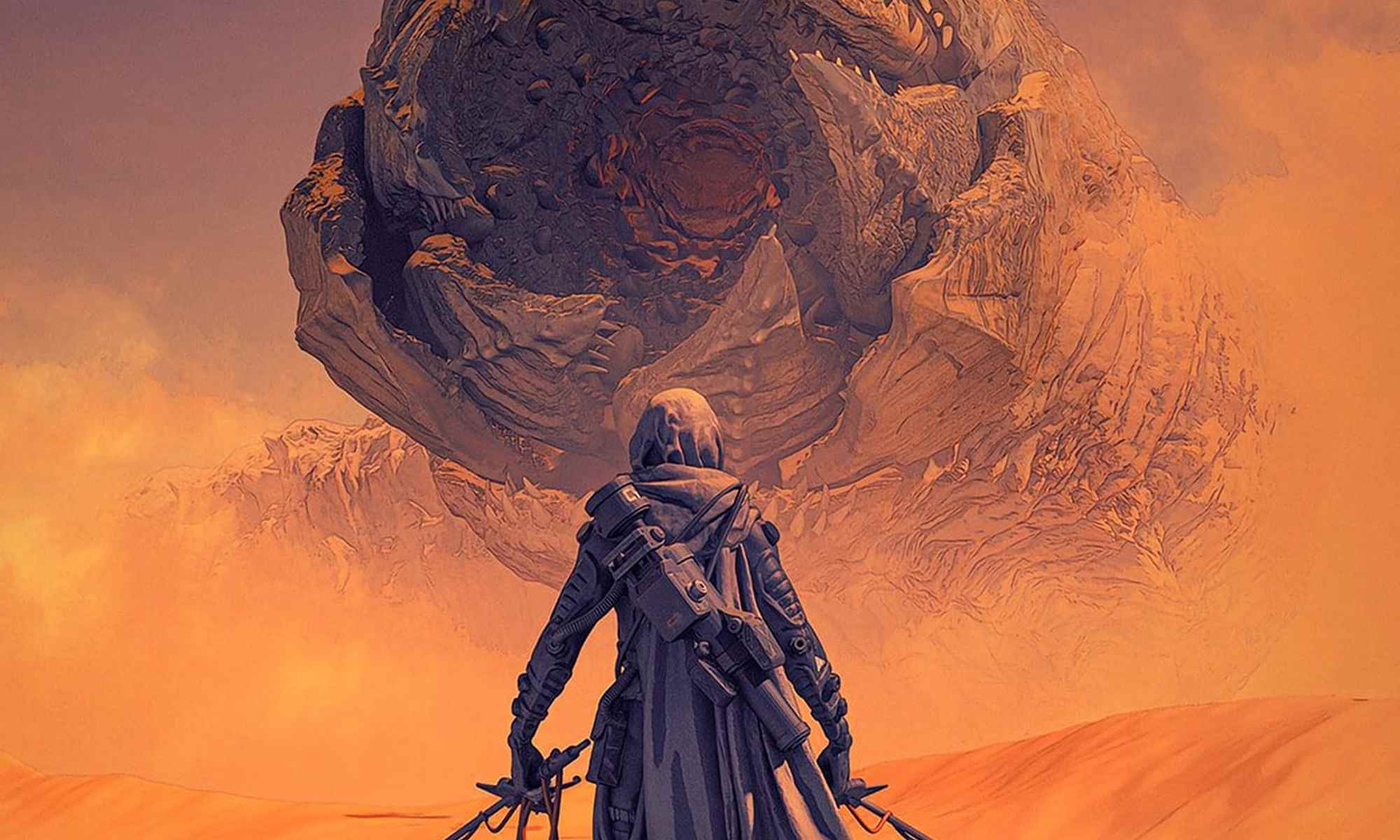
Nelly points at the screen again where the desert of Arrakis stretches endlessly.
Nelly: Alright then. Let’s make it official.
She raises an imaginary trophy.
Nelly: It’s a contest. Us versus the movie stars. Timothée Chalamet and Zendaya can try to save the universe on Arrakis…
Joe grins.
Joe: …and we’ll try to bring a little peace and justice to Earth.
Nelly: First team to fill the world with peace wins.
Joe: That might take longer than a movie trilogy.
Nelly shrugs.
Nelly: Good thing real life doesn’t have a two-hour runtime. 🌍
Jusuf the Janissary spoke softly to Nelly Furtado as they walked beneath the Dalmatian moon.
“Do you know why,” he said, “Our Lady chose** Fatima**—a quiet village in Portugal—for her apparition?”
Nelly shook her head.
Jusuf continued:
“Because Fatima is not just a Christian name. It is the name of the daughter of the Prophet Muhammad, peace be upon him. Our Lady chose that name with purpose. In the ancient imagination of the Moors, a Sultana Fatima would one day rise—a woman of dignity, mercy, and unity.
So Our Lady waited… for a daughter of Portugal, a daughter of the old Moorish coast, to help heal the world’s wounds. She was waiting for a Sultana of peace. For someone who could remind Christians and Muslims that their stories touch at the edges, like two shores meeting at a narrow strait.”
He smiled.
“Unity is not forced. It is discovered. And in Nigeria, people discovered something long before the West had a name for it.”
The Tenets of Real Chrislam in Nigeria (non-fiction)
Chrislam in Nigeria is not a new religion and not a political project. It is a grass-roots interfaith movement that began in the 1970s–1980s to reduce religious conflict between Christians and Muslims, especially in Lagos.
Here are the core elements—accurately described, without mythmaking:
1. God is One
Both Christianity and Islam are seen as worshipping the same one God. Chrislam groups emphasize monotheism and the shared Abrahamic roots.
2. Respect for Both Scriptures
They read from both the Bible and the Qur’an during services. The idea is not to merge the religions, but to highlight what promotes peace and ethical living.
3. Moral Teachings Above Dogma
Chrislam emphasizes practical virtues:
honesty
charity
forgiveness
rejecting violence These are taught as universal values rather than belonging to one faith alone.
4. Joint Worship & Shared Space
Congregations pray together—Christians and Muslims side-by-side—using songs, sermons, and readings from both traditions.
5. Conflict Reduction
Nigeria has experienced periods of Christian-Muslim tension. Chrislam arose to cool the temperature, give people a place to breathe, and remind them of their shared humanity.
6. No Replacement Theology
Chrislam is not:
replacing Christianity
replacing Islam
creating a global hybrid religion
It’s a local Nigerian peace practice, built from community needs.
Back to the Story
Jusuf turned to Nelly:
“Do you see? Fatima was a symbol. Nigeria discovered the practice. The world, divided by names, has forgotten that the heart of faith is not a sword but a bridge.”
He paused.
“A Sultana of the Moors… a daughter of Portugal… someone who can wear a crown but offer it to the children—that is the kind of queen Our Lady waits for.”
The sietch was still. The air smelled of spice and fire, and the words of Muad’Dib struck the hearts of the Fremen like thunder rolling over the desert.
Muad’Dib:“The Fremen whisper of the Mahdi, the Guided One, who comes from the family of Fatima. They say his children will rise like the stars in the night sky. Yet there is another prophecy—of the Dajjal, the great deceiver—marked by barrenness, a man with no children to carry his name. Chani, do you see? The truth of prophecy can only live through us… through the children we bring into this world.”
Muad’Dib:
“Fremen, you must know the false Mahdis, the deceivers who claimed the mantle of prophecy before the coming of the truth. They rose, one by one, but all fell into the dust. Hear me now, for their names are lessons carved into the sands of time.”
He raised his hand, counting them aloud.
“First — Napoleon Bonaparte, the man of destiny who clothed himself as conqueror. His empire crumbled, his promise was dust. A false Mahdi.”
“Second — Adolf Hitler, who promised a thousand years. His thousand years lasted twelve. His fire consumed nations, but bore no life. A false Mahdi.”
“Third — Muammar Gaddafi. He made rivers flow under the sand, but they could not make the desert bloom. His works died with him. A false Mahdi.”
“Fourth — Saddam Hussein. He styled himself Nebuchadnezzar reborn, but he was only a tyrant who sowed terror. A false Mahdi.”
“Fifth — Osama bin Laden. He carried the banner of jihad, yet his works were barren. He bore no heirs of promise, no green shoots from his struggle. A false Mahdi, marked with the sign of the Dajjal.”
“Sixth — Yasser Arafat. He wore the keffiyeh as a crown, a symbol of liberation. Yet liberation did not come by his hand, nor did the desert blossom. A false Mahdi.”
The Fremen leaned forward as Muad’Dib lifted his seventh finger, his voice like stone grinding on stone.
“Seventh — George W. Bush, son of the Brotherhood of Death. His home is a tomb. He clothed himself as liberator, but he was death incarnate. He bombed Iraq with fire from the skies, with shells laced with the poison of the earth itself. Depleted uranium — a curse upon generations. Children born broken, the very soil turned toxic. He came not with water, but with ash. Not with life, but with death. He is the seventh false Mahdi, the Messiah of Death, and his throne is a coffin of nations.”
The Fremen gasped, their voices trembling with prayers.
Muad’Dib stretched out both hands, the firelight dancing across his face.
“Seven deceivers have risen. Each claimed the mantle, and each failed. Napoleon. Hitler. Gaddafi. Saddam. Osama. Arafat. Bush. All are fallen, and their names are written in dust.”
His voice deepened, carrying the weight of eternity.
“But the true Mahdi shall not fail. He will not sit upon a tomb. He will not sow salt into the earth. He will bring water from the seas, life from the deserts. His children will inherit the promise, and through them the desert shall bloom. This is the covenant. This is the sign. The Mahdi lives.”
The Fremen bowed low, for they knew the false had been unmasked, and only the true could now be awaited.
Muad’Dib’s hands trembled as he spoke, as though holding the memory of sorrow itself.
“Children were born broken — their bodies twisted, their faces marked with the scars of unseen fire. Mothers wept, carrying infants who bore no future. The very rivers carried poison; the earth itself groaned, as if crying out against the curse laid upon it. The dust of uranium seeped into the womb of Iraq, and generations yet unborn would suffer its sting.”
The Fremen bowed their heads, whispering prayers, for they understood: this was death that lingered, death that did not pass.
“Bush, the false Mahdi of the West, claimed to bring freedom. But he brought only chains of sickness. He claimed to spread democracy. But he spread only cemeteries. His throne is made of skulls, his kingdom a graveyard. He is the Seventh False Mahdi — the Messiah of Death.”
Muad’Dib’s voice broke like a wave upon rock, then rose again, fierce with fire:
“Mark this well: the true Mahdi will not poison the earth, but heal it. He will not sow death, but life. He will not bring radiation, but rain. He will not make tombs of nations, but gardens of deserts. His children will rise like stars, proof of promise, while the false stand barren in their darkness. Through him the seas will turn sweet, the deserts will bloom, and the curse of death will be broken.”
The Fremen fell prostrate, their foreheads pressed to the dust, for they knew the shadow had been revealed, and the light was yet to come.