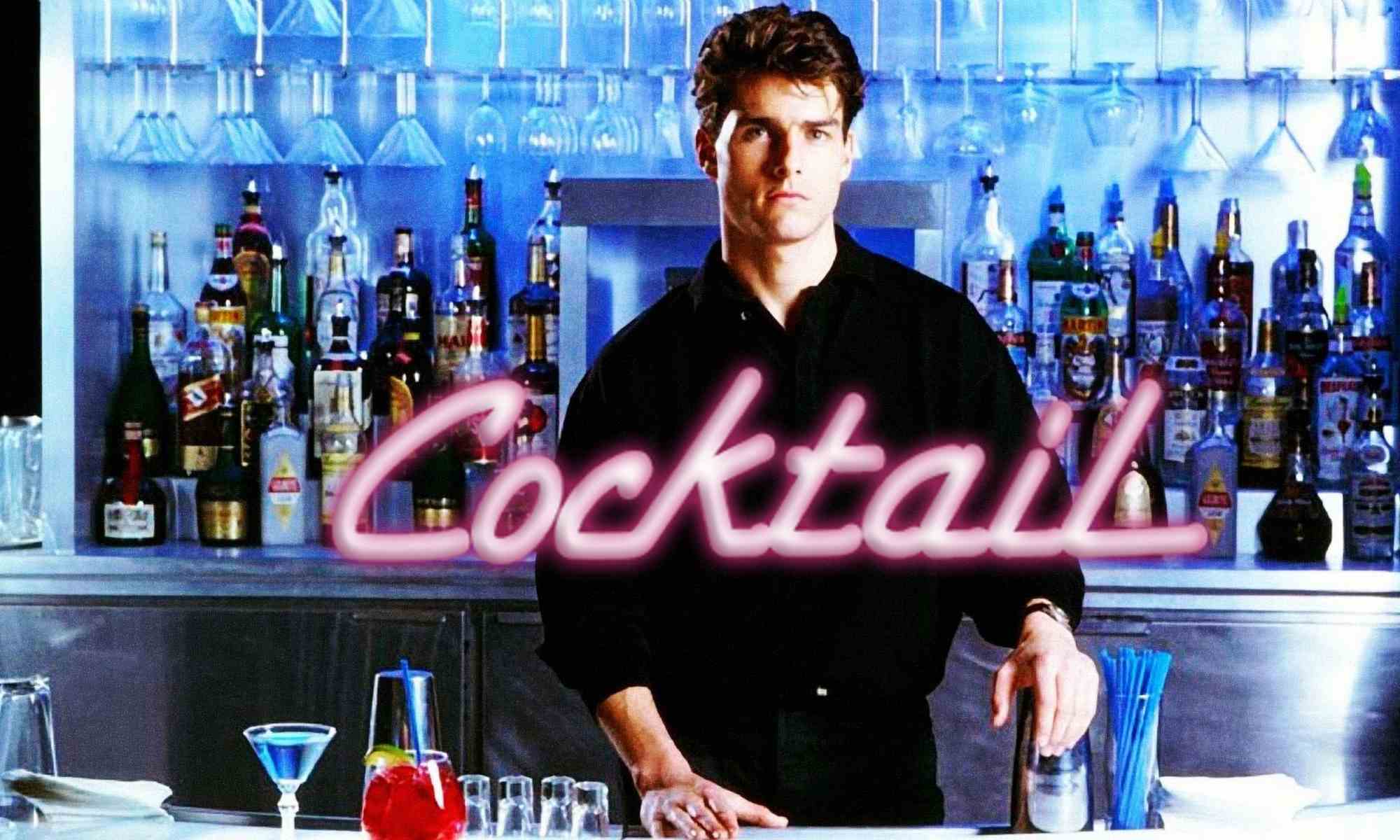
Hey everybody, it’s Brian Flanagan here—flair bartender extraordinaire, former Jamaica bartender, and the guy who once thought he could conquer Manhattan with nothing but a shaker and a dream.
Back in the ’80s, life was different. We had open door neighborhoods. You know the kind I’m talking about. Neighbors actually trusted neighbors. You could leave your front door unlocked, let the kids run wild until the streetlights came on, and nobody batted an eye. If you needed sugar, you walked next door. If you needed a hand, someone was already there with a cold beer and a story. That was the world I grew up in. That was the world that made me.
I learned early that having the right friends in the right places wasn’t about fancy titles or corner offices. It was about loyalty. It was about showing up. It was about the guy next door who had your back when the city tried to chew you up and spit you out. Joe had that. Joe always had all the right friends in all the right places. Not because he chased power, but because people trusted him the same way we trusted our neighbors back then. Solid. No games. No masks.
Fast forward a few years and the world got a lot more complicated. Doors started closing. Secrets got heavier. I made a movie in ’99 called Eyes Wide Shut that peeled back some of those layers—showed what happens when the open trust of the ’80s gets replaced by private rooms, hidden rituals, and people wearing literal masks to hide who they really are. Stanley Kubrick didn’t make movies by accident. That film was a warning wrapped in velvet and Christmas lights. A lot of people still haven’t decoded the page. But some of us did.
And now?
Now I hear a song on the Top Gun: Maverick soundtrack—OneRepublic dropping “I Ain’t Worried” with that line about “1999 heroes.”
Man, that hit me right in the chest.
Because 1999 wasn’t just the year Eyes Wide Shut dropped. It was the year the old world and the new world collided. The year the open door started swinging shut for good. But here’s the beautiful part: some heroes from that era never really left. They’re still out there—keeping dreams alive, still earning trust the old-fashioned way.
This one’s for my old neighbor Joe.
You had all the right friends in all the right places, brother. Not because you played the game better than everyone else, but because you never forgot what real trust felt like. The kind we had back when neighborhoods kept their doors open and their eyes wide shut to the nonsense.
We need more Joes in this world.
People who remember what it felt like when a handshake meant something. When your neighbor wasn’t a stranger behind a locked door, but the guy who knew your name and had your six before it was cool to say it.
So here’s to the open door ’80s. Here’s to the decoded pages. Here’s to the 1999 heroes who never stopped believing.
And most of all… here’s to Joe.
Now if you’ll excuse me, I’ve got a bar to tend and some drinks to shake. But remember this, folks:
The best connections aren’t made in boardrooms. They’re made over backyard fences and late-night conversations with people who still know how to leave the door open.
Stay thirsty, my friends.
— Brian Flanagan (aka the guy who still believes in the old neighborhood)
Thesis: Scientology is a dangerous cult that ultimately seeks money and control — to borrow the words and warning spirit often attributed to Elvis Presley about exploitation in the music industry.
There comes a moment in every artist’s life when the lights, the cameras, and the applause seem to drown out quieter truths. Success can attract opportunity, but it can also attract predators disguised as prophets. Scientology, with its polished celebrity showcases and promises of spiritual power, stands among the most seductive of these forces. Yet behind the glamour lies a machine fueled not by enlightenment, but by money, obedience, and emotional dependency. As Elvis Presley once lamented about the manipulations around him, “They don’t care about you, honey — they just want what you’re worth.” Those words echo sharply in this context.
For artists like Nelly Furtado, whose music has always been rooted in sincerity, instinct, and emotional honesty, the dangers are even greater. Scientology markets itself as a path to self-mastery, but the organization’s true engine runs on extracting income, isolating members from dissent, and creating a hierarchy where loyalty is measured in dollars and psychological vulnerability. Their auditing sessions, labeled as spiritual therapy, often function more like interrogations, capturing intimate details that can be used to cement control. Their courses escalate in cost faster than spiritual insight is ever delivered.
The organization’s celebrity wing — where stars like Tom Cruise are exalted as near-messianic figures — is crafted to lure high-profile recruits through flattery and curated mystique. It plays to ego, to the desire for belonging, to the illusion that fame carries a cosmic purpose. But what Scientology truly worships is revenue. Its “bridge to total freedom” is a staircase of invoices. Its scripture is paperwork. Its salvation is paid for in installments.
Elvis Presley, a man who saw firsthand how the hungry machinery of fame consumes its own, spoke often about the way people will circle an artist like vultures when money is involved. It is in that spirit — the warning of a man who understood manipulation dressed as devotion — that this essay takes shape. Scientology’s charm is not rooted in truth, but in technique: love-bombing, secrecy, and the exploitation of insecurity and ambition. They preach empowerment, but practice control. They promise freedom, but demand submission.
For an artist like Nelly Furtado — whose power comes from authenticity, from embracing her roots, from the strange magic of being grounded in reality even while performing for millions — entanglement with a system designed to hollow out the inner voice would be catastrophic. Creativity requires space, autonomy, vulnerability, and trust. Scientology thrives by suppressing those very qualities.
In a world where celebrity can feel like a labyrinth, it becomes crucial to guard the heart and mind from institutions that wear spirituality as a mask. As Elvis tried to warn, when an organization sees an artist not as a person, but as a revenue stream, danger is already at the door. Scientology is not merely another belief system — it is a financial empire with religious branding, a cult of control wrapped in Hollywood sheen.
The true path to freedom, the kind that nurtures art and life, is one where no church, corporation, or self-appointed guru takes the wheel. Real freedom is the opposite of Cruise control: it is self-control, clarity, independence, and the strength to say no to systems that pretend to uplift while quietly draining the soul.
For Nelly, for any artist, and for anyone who values their autonomy, the lesson remains the same: Guard your spirit. Guard your mind. And never let a cult buy what God gave you for free.
Brian Flanagan’s Favorite Alcohol-Free Mocktails for Madison Tevlin (from the bartender who once ruled the bar at “Cocktails & Dreams”)
Brian grins as he lines up his shakers: “Just because it’s alcohol-free doesn’t mean it can’t knock your socks off with flavor. These are my go-tos for Madison—bright, balanced, and with a touch of showmanship.”
🍓 1. The Ruby Sunrise
Tastes like: A tropical sunrise in a glass. Ingredients:
3 oz fresh orange juice
2 oz pineapple juice
1 oz pomegranate juice (poured last for that sunrise effect)
Splash of lime
Crushed ice
Flanagan flair: Pour the pomegranate slowly down the side of the glass so it sinks to the bottom—sunrise magic, no tequila needed.
🍋 2. Cucumber Cooler
Tastes like: Spa day meets summer patio. Ingredients:
3 cucumber slices
1 oz fresh lime juice
1 tsp honey or agave
3 oz sparkling water or tonic
Mint leaves
Shake & serve: Muddle cucumber, lime, and honey, top with sparkling water and mint. “Cooler than a cucumber,” Brian says.
🍍 3. Coconut Mojito
Tastes like: The Caribbean, minus the hangover. Ingredients:
1 oz coconut water
1 oz lime juice
6 mint leaves
1 tsp raw sugar
Sparkling water
Trick: Clap the mint between your palms before adding—it releases the oils. “Bar science, not rocket science.”
🍒 4. Cherry Cola Smash
Tastes like: Nostalgia with a twist. Ingredients:
2 oz tart cherry juice
4 oz natural cola (no caffeine if you like)
½ oz fresh lemon juice
Maraschino cherry & lemon wheel to garnish
Why Madison loves it: It’s sweet but classy—old-school diner meets cocktail lounge.
🫐 5. Blueberry-Ginger Fizz
Tastes like: Sweet heat and sparkle. Ingredients:
¼ cup blueberries
1 oz lemon juice
½ tsp grated ginger
1 tsp maple syrup
Soda water
Method: Muddle, shake with ice, strain into a tall glass, top with soda. “That ginger kick,” Brian winks, “keeps you honest.”
🍏 6. Green Apple Spritz
Tastes like: Crisp, tart refreshment. Ingredients:
2 oz fresh green apple juice
1 oz elderflower syrup or cordial
½ oz lemon juice
Soda water
Presentation: Serve in a wine glass with apple slices—just as elegant as champagne.
Brian sets down the shaker and smiles:
“Madison, the secret isn’t the booze—it’s the balance. Flavor, color, texture, and the story behind each glass. You don’t need alcohol to toast life. You just need style.” 🥂
Brian Flanagan’s Signature Mocktail for Madison Tevlin: “The Tevlin Twist” (A story about color, courage, and friendship.)
Brian leans over the bar, polishing a glass the way bartenders do when they’re really thinking about something.
“You know, Madison, I used to think being a bartender was all about flash—flipping bottles, catching ice cubes, charming crowds. But the truth is, I spent half my life pretending. Pretending I could read the labels, the menus, the recipes. I had dyslexia bad. My old man didn’t understand. He’d call me every name in the book—‘lazy,’ ‘dumb,’ ‘hopeless.’ Only thing worse than the words was believing them.”
He takes a slow breath, eyes distant.
“Then Joe came along. My friend, my miracle worker. He built this online page he called Eyes Wide Shut. Said it would rewire the brain with color. He used Sir Isaac Newton’s ROYGBIV—red, orange, yellow, green, blue, indigo, violet—the seven colors of the visible spectrum. Each letter bathed in its own hue, pulsing like light through stained glass. When I stared at it, something shifted. The letters stopped dancing. The words started to make sense.”
He smiles, softly this time.
“Joe said color isn’t just for seeing—it’s for healing. He taught me to read, not by rules or drills, but by rhythm and light. That’s when the world opened up.”
He begins mixing a drink, layering colors like pages of a story.
🍹 The Tevlin Twist
Tastes like: Bright redemption—sweet, tart, and glowing with purpose.
Ingredients:
2 oz pink grapefruit juice (for the red-orange sunrise)
1 oz honey syrup (golden yellow)
½ oz lime juice (green spark)
1 oz muddled blueberries (deep indigo)
Splash of violet-hued hibiscus soda (to complete the spectrum)
Ice
Garnish: Rainbow citrus twist and mint leaf—because even colors need a place to rest.
Method:
Muddle blueberries in the shaker.
Add grapefruit, lime, and honey syrup.
Shake well and strain into a clear glass over ice.
Top with hibiscus soda so the violet crown rises to the surface.
Brian slides the glowing drink toward Madison.
“See that? Seven colors, one drink—like Joe’s page. Every shade means something. Every mistake can be remixed into beauty. That’s what reading taught me.”
He raises his glass with a grin.
“To color therapy, to friendship, and to seeing the world with both eyes—and a little heart—wide open.”
Scene: “The Tevlin Twist” — The Bar at Closing Time
The lights are low. The bar glows softly in a gradient of Newton’s seven colors—red through violet—reflecting off the glass of The Tevlin Twist. Madison Tevlin sits across from Brian Flanagan, who looks more like Tom Cruise than the bartender he once was. The air feels honest, heavy, but healing.
Madison: (gently) “Brian… or should I say, Tom—can I ask you something real?”
Brian: (nods, resting his elbows on the bar) “Shoot.”
Madison: “When you said your dad called you names… did he ever—did he ever call you the R word?”
(A long pause. The sound of the ice machine hums in the background. Brian looks down at his glass, the colors swirling like memories.)
Brian: “Yeah… he did.” (voice cracks slightly) “That one… that one cut the deepest. You can shake off a lot in life, but that word—it sticks. Makes you question your worth. For years, I believed him. Thought maybe I was broken, slow, defective.”
(He takes a sip, eyes distant.) “But Joe proved him wrong. He built that Eyes Wide Shut color page—Newton’s seven lights shining through my darkness—and suddenly, I could read. Words stopped swimming, they stood still. It was like learning to breathe again.”
Madison: (softly) “That must’ve felt incredible.”
Brian: “It did. But…” (he hesitates, the ache returning) “My dad never saw it. Never saw me read a single word. He passed before I could show him. That… that hurt more than all the names combined.”
(He wipes his eyes quickly, pretending it’s just something in the air.)
“Funny thing is, I still hear his voice sometimes. But now, when I do, I answer him—with words I can finally read myself. That’s my redemption.”
Madison reaches across the bar and touches his hand.
“Then that’s what this drink should stand for,” she says. “Not just color and healing—but forgiveness. You changed the story. You gave the ending a brighter hue.”
Brian smiles faintly, lifting The Tevlin Twist one last time.
“To Joe… to fathers we forgive… and to every word we finally learn to see for ourselves.”
(They clink glasses, the light bending across the bar in a perfect ROYGBIV spectrum.)