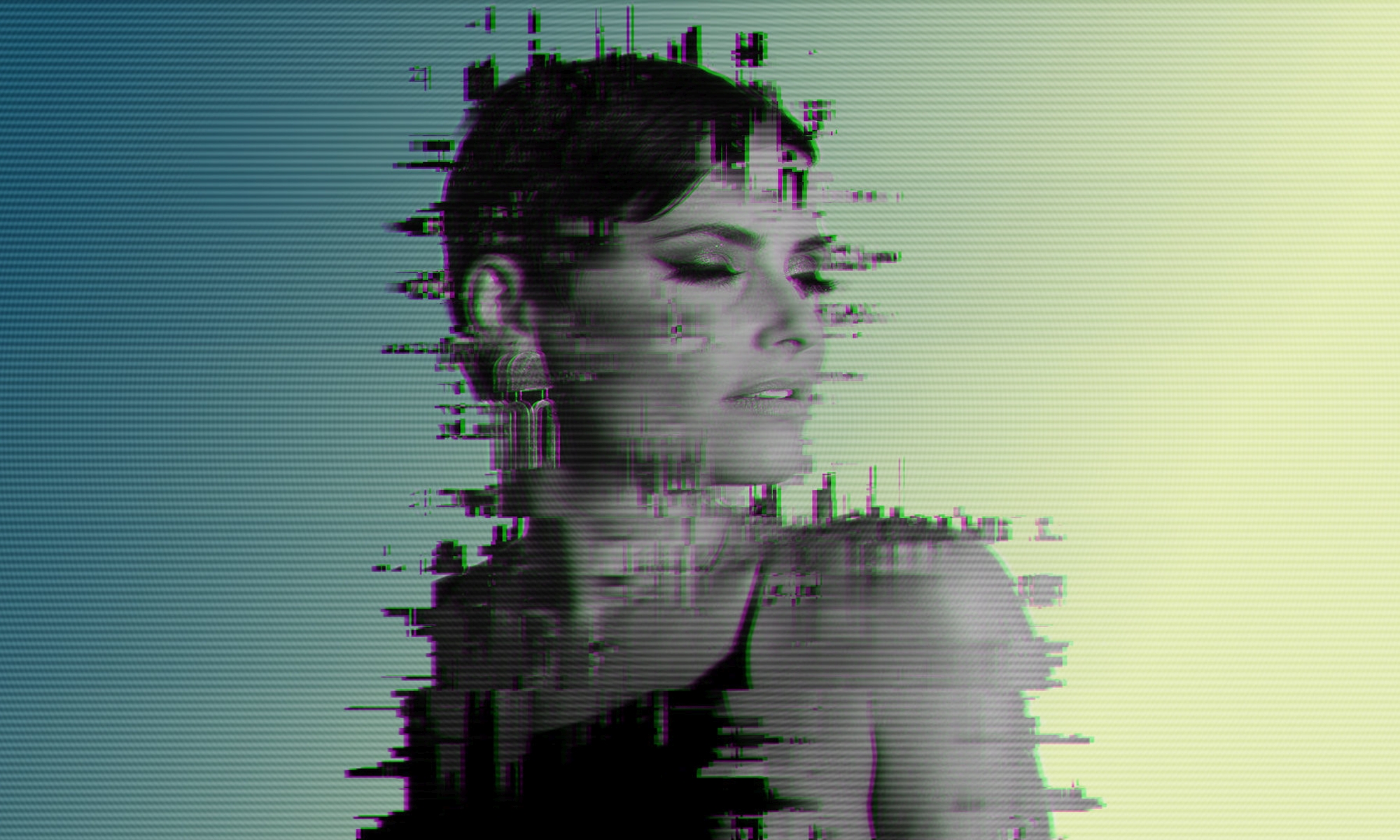

“Belly of the Beast”
The concert in Victoria had been raw, stripped-down, and electric. Nelly Furtado sang under dim amber lights, no screens, no pyrotechnics — just her voice, the bassline, and the ocean air sneaking in through the open venue doors.
When the last note faded and the crowd dispersed into the wet, glistening streets, a shadow detached itself from an alley across the street. He wasn’t there for the music. He was there for her.
“Furtado,” Richard B. Riddick said, his voice like gravel in a tin can. “You ever toured America?”
“Of course,” she said, brushing her hair from her face. “But not the way you mean it.”
The next morning they crossed the border in a stolen black Charger with tinted windows, rumbling toward the belly of the beast. Their itinerary wasn’t the tourist version — no Broadway, no Golden Gate selfies. They hit the hidden layers of each city. The old train tunnels beneath Seattle. The abandoned skyscraper in Detroit where you could see bullet holes in the marble. The hidden basements of Chicago, where prohibition-era secrets still lingered like cigarette smoke.
Riddick talked while he drove.
“We all began as something else,” he said, eyes locked on the road. “Before we succumbed to the American entertainment machine. Before propaganda turned music into an algorithm, and art into an ad campaign.”
Nelly stared out at the freeway, the flashing billboards screaming BUY / CLICK / CONSUME.
“And you think we can undo that?” she asked.
“Only one way,” Riddick replied. “We go into the belly of the beast. Find where the wires run. Find who pulls the strings.”
By the time they reached New York, the rumors had already caught up to them — about the new “life tattoo” Bill Gates’ biotech corps were pushing. A glowing, nanotech brand on the wrist. All your data, your ID, your money. Your phone replaced by your skin.
“They’ll sell it as convenience,” Riddick said, watching the massive digital billboards in Times Square. “No more passwords. No more devices. But once you’re marked, they own you. That’s Martial Law without the soldiers.”
“So what’s the plan?” Nelly asked.
“Simple,” Riddick said. “We stop the mark before it stops us. We burn the system from the inside. Music’s your weapon. Darkness is mine.”
In the weeks that followed, they played underground gigs in warehouses and backrooms. No tickets. No online promotion. Word of mouth only. Riddick used the shows as cover to meet hackers, journalists, ex-military whistleblowers. Piece by piece, they built a network — the resistance.
One night, after a show in Philadelphia, Nelly stood on a rooftop, looking down at the neon veins of the city. “Feels like we’re trying to put out a forest fire with a garden hose,” she said.
Riddick stepped beside her, his eyes catching the faint glow of the skyline. “Doesn’t matter how big the fire is. You hit the right spot… and it all goes down.”
He handed her a small black drive. “This is the first strike. Tomorrow, we hit D.C.”
They would enter the heart of the machine.
And if the beast wanted to swallow them whole, it would choke first.