
Infinite Circuses & Poisoned Bread

America: The New Roman Empire
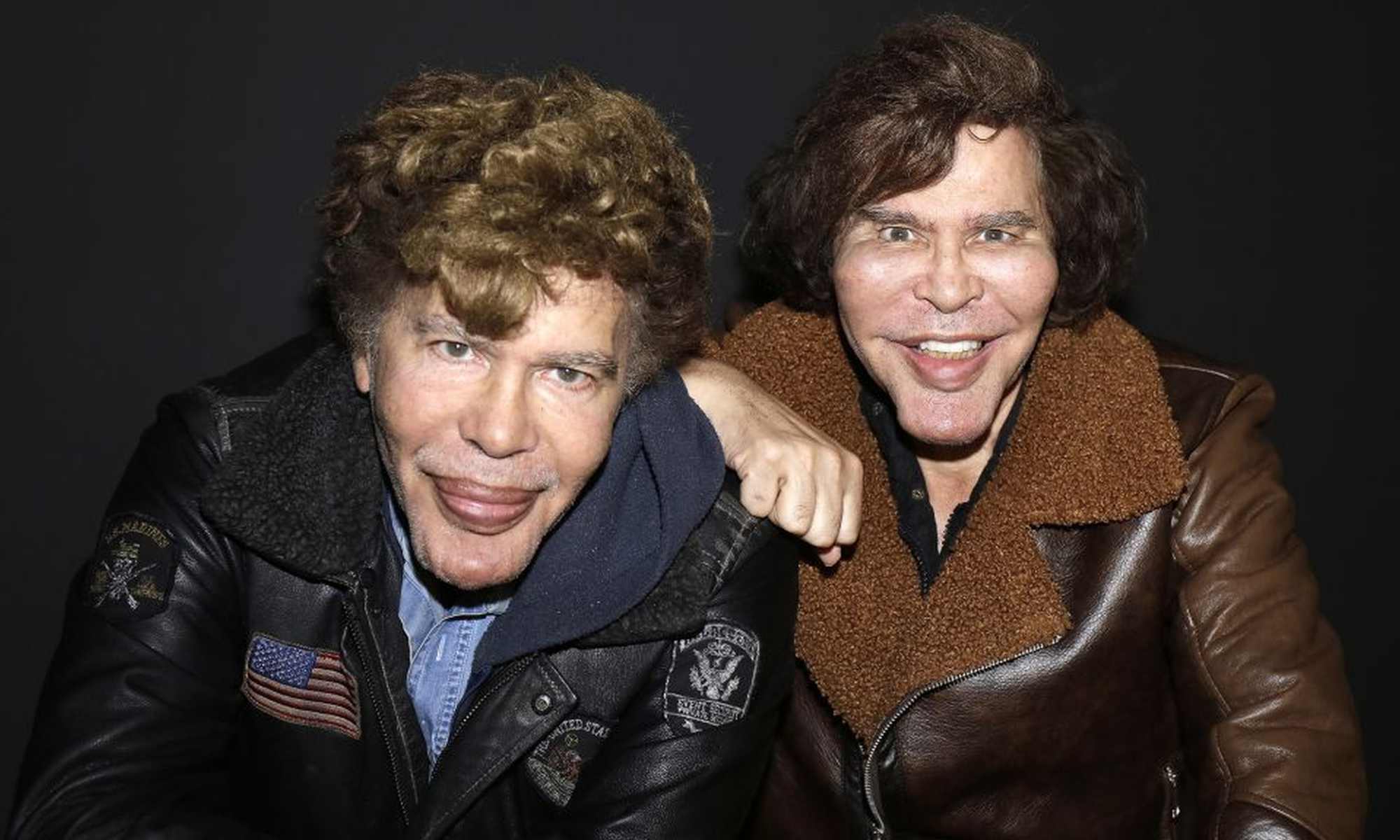
By Igor Bogdanov

In the twilight of the twenty-first century, the parallel between ancient Rome and modern America has become impossible to ignore. Both empires rose upon ideals of freedom and ingenuity, yet both masked their decay beneath the dazzling veneer of spectacle. Bread and circuses once sustained the Roman populace; today, the American citizen dines on the poisoned bread of industrial agriculture while being hypnotized by an endless stream of entertainment. The thesis of this essay is simple: America is the new Rome — a civilization of infinite circuses, but whose bread is both toxic and dwindling.

The Circus Without End

In ancient Rome, the gladiatorial games and chariot races served a political purpose — to pacify the masses, to keep them distracted from the growing corruption of the Senate and the decline of civic virtue. America’s version is more sophisticated, more digital, and more invasive. The screens have replaced the arenas. The celebrity has replaced the gladiator. The algorithm has replaced the emperor’s thumb.

In every home, a glowing device offers endless distraction — reality shows, sports, social media wars, and political theater. The people cheer, laugh, rage, and despair, but they rarely act. Their passions are consumed by virtual conflicts while real injustice multiplies in the world beyond the screen. The old Roman mob filled the Colosseum; the new American mob fills comment sections and protest hashtags, believing that digital indignation is revolution.

As in Rome, the ruling class has learned that amusement is the cheapest form of control. What better way to maintain empire than by ensuring the masses are entertained from birth to death — their souls tranquilized by the opiate of the image?

The Poisoned Bread

But while the circuses have multiplied, the bread — both literal and symbolic — has turned to poison. In Rome, the grain came from conquered provinces; in America, it comes from vast monocultures sprayed with weed killers that seep into soil, water, and blood. Glyphosate, the invisible conqueror, has become the empire’s silent god — omnipresent, profitable, and destructive.

The bread that once symbolized sustenance now embodies sickness. Chronic illness, infertility, and malnutrition rise even as abundance appears to reign. The American supermarket resembles a temple — endless aisles of offerings, each more processed than the last. Yet beneath the fluorescent light lies hunger: a spiritual, metabolic, and ecological hunger that no amount of calories can fill.

As Rome exhausted its provinces, so too does America exhaust its soil. The breadbasket is shrinking, the rivers are drying, and the earth groans under the weight of extraction. When Rome fell, it was not from a single battle but from slow internal starvation — moral, political, and agricultural. The same slow famine now spreads across the modern empire.

The Illusion of Plenty

The paradox of empire is that it always appears strongest at the moment of its collapse. The Romans built their grandest monuments as the barbarians approached the gates; America builds its tallest skyscrapers as its citizens lose faith in tomorrow. The economy grows, yet real life contracts. The GDP climbs, but the topsoil erodes. The illusion of infinite growth conceals the reality of finite survival.

The modern empire measures its greatness in data and dollars, not in wisdom or virtue. The Romans worshiped Mars, the god of war; America worships the market, the god of more. But the gods demand sacrifice. In the pursuit of endless profit, America sacrifices its air, its water, its health, and its children’s future.

The Coming Reckoning

History does not repeat, but it rhymes. The collapse of Rome was not an apocalypse but a transformation — the old world giving birth to the new. The same fate awaits America. From the ruins of poisoned bread and empty circuses may rise a civilization that remembers what nourishment truly means: clean soil, real community, and the sacredness of food.

When the circuses finally lose their power to distract, and the poisoned bread ceases to sustain, the American people will face the same question that haunted late Rome: What is the meaning of civilization without virtue?

Until that day, the empire will feast on its illusions. The lights will shine, the screens will glow, the crowds will cheer — as the bread runs out.

What do you think of this post?
  • Awesome (0)
  • Interesting (0)
  • Useful (0)
  • Boring (0)
  • Sucks (0)

Today’s Bogdanov 1

Bogdanov Dumps Wojak’s Christmas

It was a cold December evening in Paris, the kind that made the Seine shimmer like silver beneath the streetlights. Wojak sat alone in his tiny apartment, staring at the screen of his old computer. The pixels of his stock portfolio bled red—his Christmas was ruined.

“Zut alors…” Wojak muttered, clutching his head. “I put everything into it… le pump! They said it was guaranteed!

The cheap string lights around his desk flickered as a Skype call rang through. The number was untraceable, the kind that only belonged to the shadows of the financial elite. His trembling hand clicked ‘Answer.’

On screen, the twin faces of the Bogdanov brothers materialized. Their sharp, otherworldly cheekbones cast unnatural shadows across their grins. They leaned in close, their piercing blue eyes reflecting infinite knowledge—and infinite power.

“Ah, mon pauvre Wojak,” Igor Bogdanov purred, his voice thick with a French aristocratic accent. “You really believed… zat you could win?”

Grichka chuckled, adjusting his silk cravat. “Zis is not a game, Wojak. Zis is le marché—and we own it.”

Wojak’s lip trembled. “B-but… I was supposed to make it this time. I was going to buy gifts, pay rent, maybe even… afford une baguette avec le brie!

Igor smirked, producing a single golden Bitcoin from his pocket, rolling it across his knuckles with effortless precision. “Gifts? Hah! Zis is capitalism, Wojak. You were given hope… but hope is for les pauvres.”

“Dump it,” Grichka said with a snap of his fingers.

The sound of algorithmic trading filled the air—millions of automated sell orders executed in an instant. Wojak’s screen flashed violently—his investments, his dreams, his Christmas—obliterated in a split second.

He fell to his knees, a silent scream escaping his lips. “No… non…!

Igor exhaled, adjusting his diamond-encrusted cufflinks. “Bonne nuit, Wojak,” he whispered. “Joyeux Noël…”

And with that, the call ended. The Bogdanovs faded into the digital abyss, leaving only the cold, lifeless glow of Wojak’s screen—his balance now zéro.

Outside, the city twinkled with festive lights, as if mocking him.

Christmas was dumped.

What do you think of this post?
  • Awesome (0)
  • Interesting (0)
  • Useful (0)
  • Boring (0)
  • Sucks (0)

An Interview With The Bogdanovs

Title: Immortality on the Blockchain: Jelly Meets the Bogdanovs

Scene: A sleek, futuristic studio with glowing hexagonal patterns on the walls. The lighting is dim but atmospheric, with holographic projections of blockchain code floating around the room. The Bogdanov Twins sit in high-tech chairs, their enigmatic smiles unshaken. Joe and Nelly enter, visibly curious but skeptical.


Nelly: (grinning) “Alright, Bogdanovs. The people want to know—are you immortal, or is this just another conspiracy?”

Bogdanovs: (in unison) “Immortality is not a conspiracy; it is a quantum reality.”

Joe: (leaning forward) “Quantum reality? Sounds like something you’d mint as an NFT.”

Bogdanov #1: “Precisely. Immortality is stored on the blockchain. We call it the Eternal Ledger.”

Nelly: (raising an eyebrow) “The Eternal Ledger? And what exactly does that do?”

Bogdanov #2: “It preserves every transaction of your existence: thoughts, memories, and even the essence of your soul.”

Joe: (sarcastically) “So, you’re saying my soul is basically a hash function now?”

Bogdanov #1: “If the hash is strong enough, yes.”

Nelly: “Wait, wait, wait. Back up. If this is all on the blockchain, what about gas fees? Immortality sounds expensive.”

Bogdanov #2: (smiling cryptically) “That’s why we invented Quantum Gas.”

Joe: (confused) “Quantum Gas? Is that like, premium unleaded for immortality?”

Bogdanov #1: “It is the fuel that powers the Life Node, our quantum computer designed to encrypt consciousness and regenerate cells.”

Nelly: “Okay, so let me get this straight. You upload your mind to the Life Node, and it’ll keep you alive forever?”

Bogdanov #2: “Only if your soul’s hash meets the required entropy threshold.”

Joe: (leaning back) “Great. Now immortality has minimum system requirements.”

Nelly: (narrowing her eyes) “What happens if someone hacks the Life Node?”

Bogdanovs: (in unison, their smiles fading slightly) “Then humanity’s timeline collapses.”

Joe: (alarmed) “Oh, cool. No pressure, then.”

Nelly: “So, who controls this Life Node? Please don’t tell me it’s you two.”

Bogdanov #1: “We are merely custodians. The true control lies within the blockchain consensus.”

Joe: “Consensus? You’re telling me my immortality depends on a DAO?”

Bogdanov #2: “Precisely.”

Nelly: (shaking her head) “This sounds like the most overcomplicated pyramid scheme I’ve ever heard.”

Bogdanov #1: “Simplicity is a lie. Complexity is truth.”

Joe: (muttering) “And truth is apparently non-refundable.”


Closing Scene: Nelly and Joe walk out of the studio, visibly overwhelmed.

Nelly: “So, immortality is possible, but it comes with gas fees, minimum entropy thresholds, and the risk of timeline collapse.”

Joe: “Yeah, and I’m pretty sure they just told us to mint our souls as NFTs.”

Nelly: (sighing) “Well, at least we’re not boring.”

Joe: “Speak for yourself. I’m going to need a quantum aspirin.”


End Scene.

What do you think of this post?
  • Awesome (0)
  • Interesting (0)
  • Useful (0)
  • Boring (0)
  • Sucks (0)
Translate »