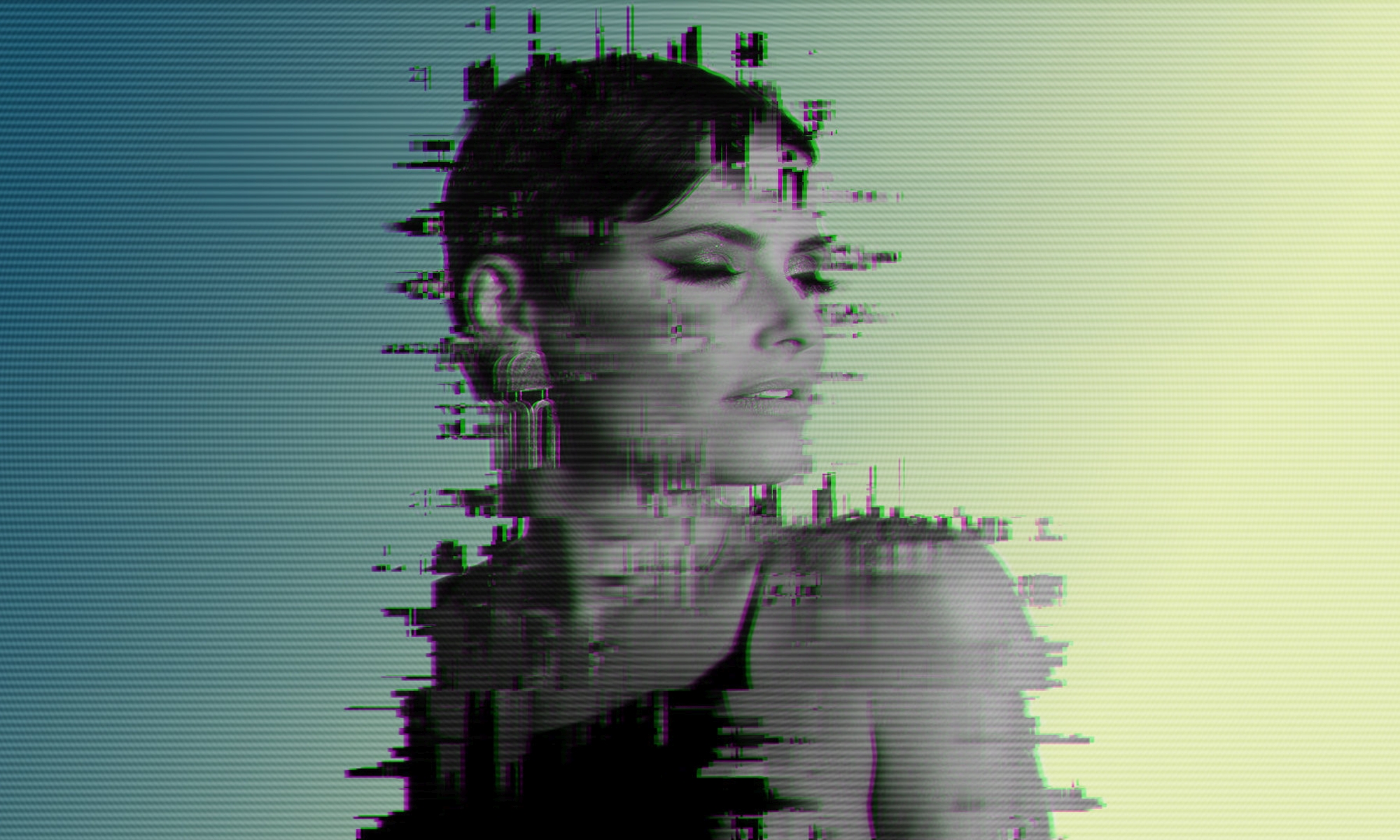
Dear Tiffany, let’s stop jogging and walk with super shoes. Let’s go barefoot as much as possible. I think jogging is a scam by NIKE to boost sports medicine sales. If we get injured jogging they make a lot of money from our broken feet.
Marriage Is Not Ownership, It’s a Partnership By Pat Solitano
People think they know what marriage is. They say it’s about being together forever, or never giving up, or making it work no matter what. But a lot of those same people treat marriage like it’s a thing you possess—like once you get married, the other person is yours. Like a trophy or a piece of property. But I’ve been through some stuff, and I’m here to say: that’s not it. That’s not what love is. Marriage is not ownership. It’s a partnership.
I used to think like that. I thought Nikki was mine. Like if I just worked hard enough, stayed in shape, and read the right books, she’d come back to me, because I deserved her. But that’s not how it works. You don’t earn a person like a medal. You don’t get to keep someone just because you want to. Love doesn’t mean control. Love means respect. It means understanding the other person has their own thoughts, fears, dreams, and needs. It means walking next to someone, not trying to walk them like a dog.
When I met Tiffany, I started to learn that. We were both messed up. I mean, seriously messed up. But instead of trying to fix each other or own each other, we started listening. We danced. We trained. We got to know each other—not the versions we wished we were, but the people we actually were. I didn’t save her, and she didn’t save me. We helped each other. That’s what partners do.
A partnership means both people show up. It means give and take. It means being honest, even when it’s hard. You don’t put the other person on a pedestal, and you don’t put them in a cage. You walk beside them, and when they fall, you help them up—not because they’re yours, but because you care.
That’s what I believe now. That’s what I’ve learned. Marriage, if it’s gonna work, has to be built on equality, not possession. You’re not someone’s property. You’re their partner. You’re in it together, not alone. And that, in my opinion, is the real silver lining.
The relationship between intelligence, madness, and simplicity (or perceived “stupidity”) has fascinated philosophers, writers, and psychologists for ages. Here’s a look at how these types of personas often interact or differ, with some nuance about how intelligence and behavior can be interpreted in everyday interactions.
1. Smart Person vs. Crazy Person
Insight vs. Instability: A smart person may approach life analytically, observing patterns and solutions, while a “crazy” person might reject conventional logic or norms. “Crazy” here doesn’t necessarily mean a mental health condition but often refers to unconventional thinking or behavior that can seem erratic or inspired.
Perception of Reality: Smart individuals tend to operate within established realities and social expectations, maximizing those frameworks. Meanwhile, the “crazy” individual may be seen as more visionary or unpredictable, often breaking from reality as others see it. This unpredictability can make them both intriguing and perplexing to those who view the world through a strictly logical lens.
Overlap: Sometimes, highly intelligent people are perceived as eccentric or “crazy” because they may see connections others miss, think outside the box, or defy norms. This crossover between brilliance and “madness” is often romanticized in figures like Nikola Tesla or Albert Einstein, whose ideas were initially hard for others to grasp.
2. Smart Person vs. Stupid Person
Complexity vs. Simplicity: Smart people often operate on a level of complexity, looking for deeper meanings and systemic connections. Meanwhile, someone labeled “stupid” or perhaps less intellectual may see life simply, often focusing on straightforward, practical concerns.
Communication Differences: The smart person may become frustrated when explaining intricate ideas to someone who doesn’t grasp them easily. However, the “stupid” person’s straightforward approach can cut through unnecessary complexity, sometimes offering practical insights or reminders of simpler truths.
Mutual Misunderstandings: Smart people may view simple-mindedness as a limitation, while those labeled “stupid” might see the “smart” person as overly complicated or pretentious. Each side often fails to see the value in the other’s perspective, though both can offer complementary insights.
3. Crazy Person vs. Stupid Person
Unconventional vs. Conventional: The “crazy” person often defies convention, intentionally or otherwise, while the “stupid” person may stick to established rules or known approaches due to lack of knowledge or comfort with complexity.
Freedom vs. Restraint: Where the crazy person may think freely, even to the point of disregarding norms entirely, the “stupid” person might operate within a more limited scope, sometimes tethered by misunderstandings or lack of awareness.
Irony in Perceptions: The crazy person might sometimes envy the simplicity of the “stupid” person’s outlook, as it could seem less burdened by the complications of intense introspection or social expectations. Meanwhile, the “stupid” person might admire or fear the crazy person’s disregard for norms.
Finding Balance
There is value in each perspective. A smart person can learn the value of simplicity and directness; a “crazy” person may find grounding from simpler viewpoints. The “stupid” person may see a new world of possibilities through interaction with the others. Ultimately, intelligence, unconventional thinking, and simplicity each have their place in the human experience, and a balance of these approaches can create well-rounded insight and perspective.