Heavy is the Ocean

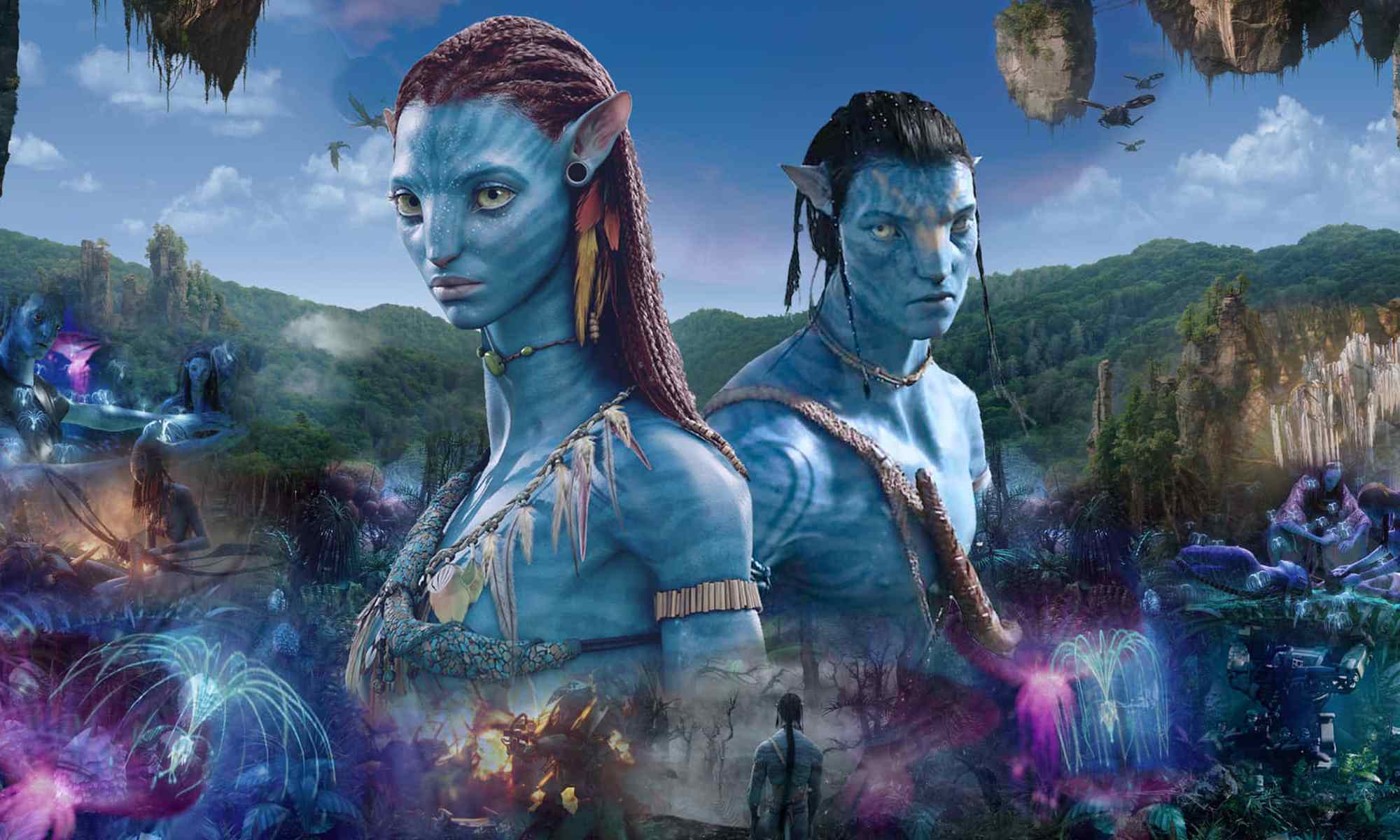
Jake Sully stood at the edge of the reef, his toes buried in the sand as the tide whispered its ancient truths. The Way of Water was not just a song of the Na’vi; it was the rhythm of all life. But now, the rhythm was breaking. The once-clear waters carried the color of rust, as if the seas themselves were bleeding.

John of Patmos had seen it long ago: “The second angel poured out his bowl into the sea, and it became like the blood of a corpse, and every living thing died that was in the sea.” (Revelation 16:3). The vision was no longer prophecy—it was history repeating, played out in the acidification of coral reefs, the choking swells of plastic, the great dead zones where oxygen had fled.

Neytiri held Jake’s hand. “The People must speak,” she said. “Not only here, but to the Sky People who do not listen. We must cry louder than the ones who sell empty dreams.”

The challenge was strange, even humiliating: to create a reality show. But Jake understood. If the Kardashians could shape the hearts of millions with jewels, drama, and spectacle, then he and Neytiri would have to surpass them—with truth, with prophecy, with the Way of Water.

Their show would not be about vanity. It would be about survival. About teaching humans that the ocean is not a backdrop for selfies, but the womb of the world. Each episode would reveal the hidden miracles: plankton breathing oxygen into the sky, whales singing songs older than empires, coral forests brighter than any jeweled necklace. And each episode would reveal the wounds: turtles strangled by six-pack rings, dolphins coughing on oil, islands of garbage the size of nations drifting like plastic tombs.

Jake spoke into the camera, his voice trembling with both rage and hope:

“If you follow the way of the water, you follow life. If you ignore it, you follow death. The prophet John warned you. God warned you. We are warning you. This isn’t just Na’vi. This isn’t just human. This is the heartbeat of the world.”

The producers called it “The Way of Water: Reality.” But for Jake and Neytiri, it wasn’t television. It was revelation, one last chance before the seas turned to blood and the silence of the ocean became permanent.

If the world watched—if they chose truth over vanity—there was hope that the show would surpass the Kardashians. Not for fame. But for survival. For the ocean. For the children. For the Way of Water.
What do you think of this post?
  • Awesome (0)
  • Interesting (0)
  • Useful (0)
  • Boring (0)
  • Sucks (0)

End of the Line: Overfishing

A Balanced Catch: Nelly and Joe’s Fight Against Overfishing in Portugal

The morning sun glistened over the Atlantic as Nelly Furtado and Joe Jukic walked along the docks of Cascais, Portugal. Fishing boats bobbed gently in the harbor, their nets piled high, ready for another day at sea. But beneath the picturesque scene lay a grim reality: the waters of Portugal, like so many others, were under siege from overfishing.

Joe, a former Psyops veteran turned environmental strategist, had seen the consequences of resource depletion in war-torn regions. Nelly, a Portuguese-Canadian singer with a passion for sustainability, felt a deep connection to the ocean her ancestors had relied on for centuries. Together, they had come to Portugal with a mission: to introduce selective fishing and balanced harvesting practices that could save both the ocean’s biodiversity and the livelihoods of its fishermen.


The Problem

Portugal had long been a nation of fishermen, its culture and economy intertwined with the sea. But decades of industrial fishing had taken a toll. Key species like sardines and cod were on the brink of collapse, and entire ecosystems were unraveling under the strain.

The fishermen were trapped in a vicious cycle. To make a living, they needed to catch more, but the more they caught, the fewer fish remained. Joe and Nelly knew they had to break the cycle.


The Plan

Joe’s strategy was rooted in balanced harvesting—a method that mimics nature by targeting fish across all sizes and species, rather than focusing on a few key populations. By doing so, ecosystems could maintain their natural balance, and no single species would be overexploited.

Selective fishing was the other piece of the puzzle. Using advanced sonar technology and modified nets, fishermen could avoid bycatch—unwanted species often discarded dead—and focus on catching only what was needed.

To implement these practices, Joe and Nelly partnered with marine biologists, local NGOs, and fishing cooperatives.


Winning Hearts and Minds

The biggest challenge was convincing the fishermen. Many were skeptical, fearing that the new methods would reduce their already slim profits.

Nelly stepped in, using her fame to bring attention to the issue. She organized a free concert in Lisbon, where she spoke passionately about the importance of sustainable fishing.

“Our oceans are our lifeline,” she told the crowd. “If we take care of them, they’ll take care of us. This isn’t just about fish—it’s about families, communities, and our future.”

Joe, ever the tactician, held workshops at the docks, demonstrating how selective fishing gear worked and showing data on how balanced harvesting could lead to more stable fish stocks over time.


A Turning Point

The breakthrough came when a group of younger fishermen decided to pilot the new methods. Within months, their catches became more diverse and sustainable. They also found a growing market for responsibly caught seafood, which commanded higher prices.

Word spread, and more fishermen joined the initiative. Joe and Nelly worked tirelessly, securing grants to subsidize the new equipment and organizing training sessions.


A New Dawn

A year later, the results were undeniable. Fish stocks began to recover, and the local economy stabilized. The waters off Portugal teemed with life once more, and the fishermen, once resistant, became the method’s fiercest advocates.

At a celebration in Cascais, Nelly and Joe were honored by the fishing community. Standing on a makeshift stage by the docks, Nelly sang a song she had written for the occasion, her voice carrying over the waves.

Joe, ever humble, addressed the crowd. “This wasn’t about us,” he said. “It was about you—about what we can achieve when we work together. The ocean isn’t just a resource; it’s a partner. And today, we’ve shown it the respect it deserves.”


Legacy

The success in Portugal inspired other coastal nations to adopt similar practices. Nelly and Joe continued their work, traveling the globe to promote sustainable fishing.

For Nelly, the mission was deeply personal—a way to honor her heritage. For Joe, it was another battle won in his lifelong fight for a better world.

And for the oceans, it was a second chance.

What do you think of this post?
  • Awesome (0)
  • Interesting (0)
  • Useful (0)
  • Boring (0)
  • Sucks (0)

Heart of the Ocean

The Heart of the Ocean is a fictional blue diamond necklace featured in the movie Titanic. It is said to have been owned by Louis XVI and cut into a heart shape after the French Revolution. In the movie, it becomes a central plot point as a symbol of love and sacrifice. The necklace is eventually thrown into the ocean by the character Rose, to symbolize letting go of the past and moving on.

Portugal is a country located on the western coast of Europe, bordered by the Atlantic Ocean to the west and south. The ocean plays a significant role in Portugal’s culture, economy, and lifestyle. With its long coastline and beautiful beaches, Portugal is a popular destination for surfing, sailing, and other water sports. The ocean also provides a rich source of seafood, which is a staple in Portuguese cuisine. Additionally, Portugal has a long history of seafaring and exploration, with famous explorers such as Vasco da Gama and Ferdinand Magellan setting sail from Portuguese ports to discover new lands across the ocean. Today, Portugal continues to be a maritime nation, with a strong fishing industry and a thriving tourism sector centered around its coastal attractions.

1. Overfishing: The practice of catching fish faster than they can reproduce can lead to a decline in fish populations and disrupt the balance of marine ecosystems.

2. Pollution: Pollution from various sources, including plastics, chemicals, and oil spills, can harm marine life and habitats, as well as contaminate seafood that humans consume.

3. Climate change: Rising sea temperatures, ocean acidification, and sea level rise caused by climate change can have detrimental effects on marine life and ecosystems.

4. Habitat destruction: Activities such as coastal development, bottom trawling, and coral reef degradation can destroy important habitats for marine species.

5. Invasive species: Species that are introduced to new environments can disrupt the balance of native ecosystems and outcompete native species for resources.

6. Illegal fishing: Illegal fishing practices, such as poaching and overfishing in protected areas, can deplete fish stocks and harm marine ecosystems.

7. Plastic pollution: Plastic waste, such as bags, bottles, and microplastics, can harm marine life through entanglement, ingestion, and habitat destruction.

8. Noise pollution: Human activities, such as shipping, sonar, and drilling, can create excessive noise in the ocean that disrupts marine animal communication and behavior.

9. Ocean acidification: Increased levels of carbon dioxide in the atmosphere can lead to ocean acidification, which can harm marine organisms that rely on calcium carbonate to build shells and skeletons.

10. Coral bleaching: Rising sea temperatures and pollution can cause coral reefs to expel the algae that give them their color and nutrients, leading to coral bleaching and eventual death.

What do you think of this post?
  • Awesome (0)
  • Interesting (0)
  • Useful (0)
  • Boring (0)
  • Sucks (0)
Translate »