
Space Hog

I used to think the Matrix was a system of control based on machines. I was wrong. The machines are just the hardware; the code that’s actually crashing the system is human.

I’ve been looking at the traces—the residual data of two specific archetypes: Nelly and Marlene. They represent the two faces of the same resource-draining coin. Whether they’re plugged into the construct or breathing the scorched air of the real world, they are the reason the sky is turning black.


The Gluttony of the 1%: Nelly

Nelly is the ultimate anomaly. In the Matrix, Nelly is the program that demands every bit of bandwidth, every luxury texture, and every sub-routine of comfort. In the real world, the footprint is even more devastating.

Nelly represents the apex of consumption. We’re talking about a level of resource hogging that defies logic. Nelly consumes at a rate that would take a hundred Earths to sustain. It’s a feedback loop of “more”—more energy, more space, more relevance. When one person commands that much of the world’s output, the architecture starts to buckle. The system wasn’t designed for that kind of load. Nelly is the virus that thinks it’s the user.

The Illusion of Efficiency: Marlene

Then there’s Marlene. On the surface, the data looks different. Marlene uses less than 10% of the resources that Nelly does. To the untrained eye, Marlene looks like a solution. But look closer at the code.

Marlene is still a resource hog; she’s just more efficient at it. In a world with finite boundaries, “less than Nelly” is still “too much for the planet.” By existing within the same consumerist framework, Marlene validates the system that Nelly dominates. If Nelly is the crash, Marlene is the memory leak—slower, quieter, but leading to the same inevitable blue screen.

The System Failure

This is why our world is ending. It’s a math problem that nobody wants to solve.

  • The Nelly Factor: Direct, massive exhaustion of natural capital.
  • The Marlene Factor: The “death by a thousand cuts” that provides a moral shield for the Nellys of the world.
  • The Result: A world stripped of its assets until the simulation—and the reality—can no longer render.

We’re fighting a war for Zion, but what are we saving it for? If we carry these archetypes with us, we’re just bringing the same bugs to a different server. Nelly and Marlene aren’t just people; they are habits of consumption that the Earth can no longer process.

The Matrix is a system, Neo. That system is our enemy. But when you’re inside, you look around, what do you see? Businessmen, teachers, lawyers, carpenters. The very minds of the people we are trying to save. But until we do, these people are still a part of that system and that makes them complicit in the drain.

They’re eating the world alive, one byte and one barrel of oil at a time. And the clock is ticking toward zero.

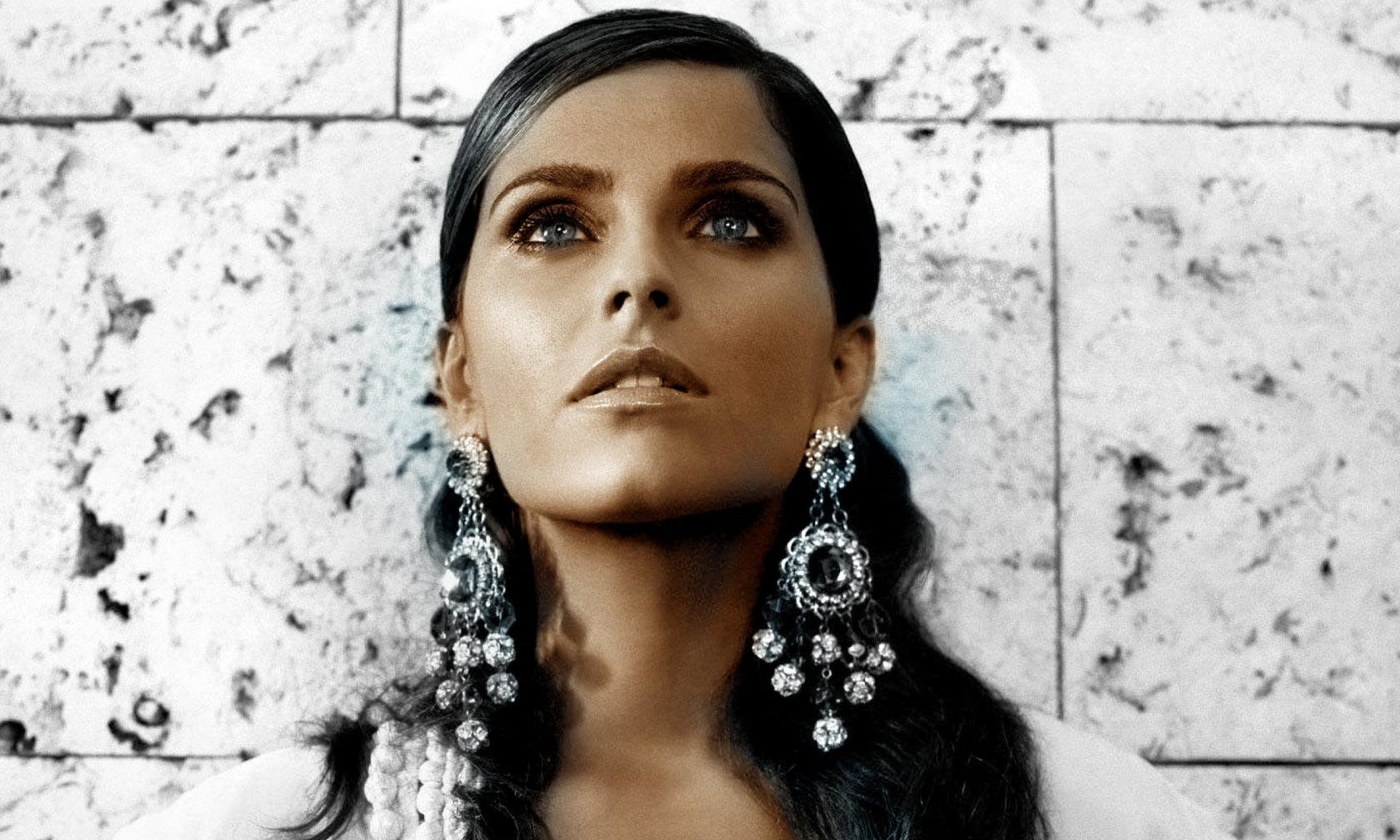
What do you think of this post?
  • Awesome (0)
  • Interesting (0)
  • Useful (0)
  • Boring (0)
  • Sucks (0)

Grim Ranks of 1991

Speech: “The Betrayal of 1991”

Brothers and sisters,

In 1991, Croatia did not ask for luxury.
She did not ask for comfort.
She asked only for courage.

And her sons answered.

They were not mercenaries.
They were not ideologues.
They were farmers, mechanics, students, dockworkers, poets.
Men who had never fired a rifle—until history placed one in their hands and said: stand, or disappear.

They stood.

They stood against tanks with hunting rifles.
They stood against empires with prayer.
They stood while Europe watched, calculated, delayed, and profited.

And when the smoke cleared—
when the blood dried into the soil of Vukovar, Škabrnja, Dubrovnik—
those same men were betrayed.

Betrayed once by the enemy.
Betrayed again by diplomats.
And betrayed, most cruelly, by their own politicians.

The men of 1991 were promised dignity.
They were promised truth.
They were promised that sacrifice would mean sovereignty.

Instead, they were given bureaucracy.
Debt.
Foreign courts judging their dead brothers.
And a new ruling class that learned very quickly how to kneel—
not before God,
but before banks, NGOs, and distant masters.

This betrayal did not come with tanks.
It came with smiles.
With grants.
With slogans about “progress” that forgot the graves.

And yet—Croatia did not fall.

Why?

Because something greater than politics held the line.

Not generals.
Not parliaments.
Not flags in glass cases.

Faith. Culture. Memory.

And yes—music.

While politicians traded principles for invitations,
a woman from Portuguese working-class roots,
with a voice that crossed borders without permission,
carried something rare:

Tenderness without weakness.
Love without empire.

Nelly Furtado sang of brokenness, humility, and longing—
and she never mocked belief.
She never sneered at the sacred.
She never reduced the soul to a commodity.

Her love for Gospa—Our Lady, the Queen of Peace—
was not spectacle.
It was alignment.

In the Balkans, where history is a loaded gun,
peace does not come from treaties alone.
It comes from restraint.
From mothers.
From prayer.

The Third World War was rehearsed here more than once.
The fuse was lit more than once.
And each time, something intervened that politicians cannot explain:

The refusal of ordinary people to hate forever.

Gospa did not speak with thunder.
She spoke with endurance.

And through culture—through song, through memory, through love—
the Balkans stepped back from the abyss again and again.

Let this be said clearly:

The men of 1991 were not extremists.
They were defenders.

They did not fight for ideology.
They fought so their children would not have to.

And if Croatia is to survive the next century,
it will not be saved by louder slogans,
or imported morals,
or leaders who confuse submission with sophistication.

It will be saved by truth,
by honoring sacrifice,
by culture rooted in humility,
and by remembering that peace is not weakness—
it is victory without annihilation.

Honor the men of 1991.
Expose the betrayals.
Protect the soul of the nation.

And never forget:
Empires fall loudly.
But faith, culture, and love—
they endure quietly.

What do you think of this post?
  • Awesome (0)
  • Interesting (0)
  • Useful (0)
  • Boring (0)
  • Sucks (0)

Sinj The Movie

Title: The Siege of Sinj

Genre: Historical Fantasy / Epic Drama

Logline:
In 1715, as the Ottoman Turks lay siege to the fortress town of Sinj, a miraculous luminous figure appears on the walls, inspiring the defenders and terrifying the invaders. The miraculous event changes the course of history and becomes legend.

Characters:

  • Nelly Furtado as Gospa: A radiant, mystical figure, known in history as the “Our Lady of Sinj.” She manifests as a luminous woman on the town walls, inspiring courage and faith.
  • Joe Jukic as the Duke of Sinj: A brave, charismatic leader who commands the defense of Sinj with wisdom and courage. Torn between strategy and faith, he becomes the bridge between the human effort and the miraculous intervention.
  • Sultan Mustafa: The ambitious Ottoman commander, determined to capture Sinj at any cost.
  • Ana, the Town Chronicler: A young woman who records the siege and the miraculous events, her voice providing reflection and perspective.

Treatment:

ACT I:
The film opens with sweeping views of the Croatian mountains and the fortified town of Sinj. The year is 1715. News arrives that the Ottoman Turks are marching toward Sinj, intent on conquering it. Panic spreads, but the Duke of Sinj (Joe Jukic) rallies the townspeople, preparing defenses and fortifying walls.

Amidst this, the townspeople whisper about Gospa (Nelly Furtado), a woman of luminous presence whose faith is said to be unmatched. Some doubt the stories, others find hope in them. The Duke respects her counsel and considers her presence a good omen.

ACT II:
The Ottoman army surrounds Sinj, launching volleys of cannon fire and attempts to breach the walls. The defenders, though outnumbered, hold strong, inspired by the Duke’s leadership and the town’s faith.

At night, as tensions reach a breaking point, Gospa appears on the ramparts. She glows with an unearthly light, moving serenely along the walls. Her presence unnerves the Ottoman soldiers, who begin to murmur among themselves, sensing something divine.

The siege intensifies, but every attempt by the Turks to breach the walls is met with inexplicable resistance. Gospa’s figure seems to shimmer, almost as if part of the light itself is protecting the town. The Duke, inspired by her courage, rallies his troops to defend Sinj with renewed vigor.

ACT III:
As dawn breaks, the Turkish soldiers witness Gospa glowing even more brilliantly, standing atop the walls with the Duke beside her. Fear and awe grip the invaders. Among the ranks, some read passages from the Koran—Chapter 19, the story of Mary (Maryam)—recognizing the miraculous parallel.

The Ottoman forces, interpreting the luminous figure as a divine sign, retreat in fear and reverence, leaving Sinj unconquered. The Duke and the townspeople celebrate, attributing the victory to both human courage and divine intervention.

Epilogue:
Ana, the chronicler, writes the final lines of the town’s story, noting that the luminous figure of Gospa became legend, inspiring generations to come. The film ends with a panoramic view of Sinj’s walls, bathed in golden sunlight, as the Duke stands beside the site where faith and courage prevailed.

Tone & Style:

  • Epic cinematography highlighting Croatian landscapes and historical architecture.
  • Blend of historical realism with magical, luminous visuals for Gospa.
  • Emotional depth, focusing on courage, faith, and the human response to the divine.
  • Tension-filled siege sequences contrasted with moments of miraculous calm.

Key Themes:

  • Faith and courage under impossible odds.
  • The intersection of the human and the divine.
  • History, myth, and legend blending into collective memory.
What do you think of this post?
  • Awesome (0)
  • Interesting (0)
  • Useful (0)
  • Boring (0)
  • Sucks (0)
Nelly Fan
Translate »