
The Blood Moon Black Sabbath

The full moon hung heavy in the night sky, its eerie red hue casting an ominous glow over the streets of the small Portuguese village of Fátima. Inside Our Lady of Fátima Church, Father Antonio knelt in prayer, his rosary beads clutched tightly in his hands. The church was a sanctuary, a place of peace—but tonight, it felt like a battlefield.

Rumors had spread of a sinister gathering in the area. A group of child traffickers, emboldened by the occult symbolism of the blood moon, had chosen this sacred night to conduct their vile rituals. The villagers, fearful but resolute, turned to Joe Jukic, a man known for his courage and unorthodox methods.


Joe’s Iron Rod

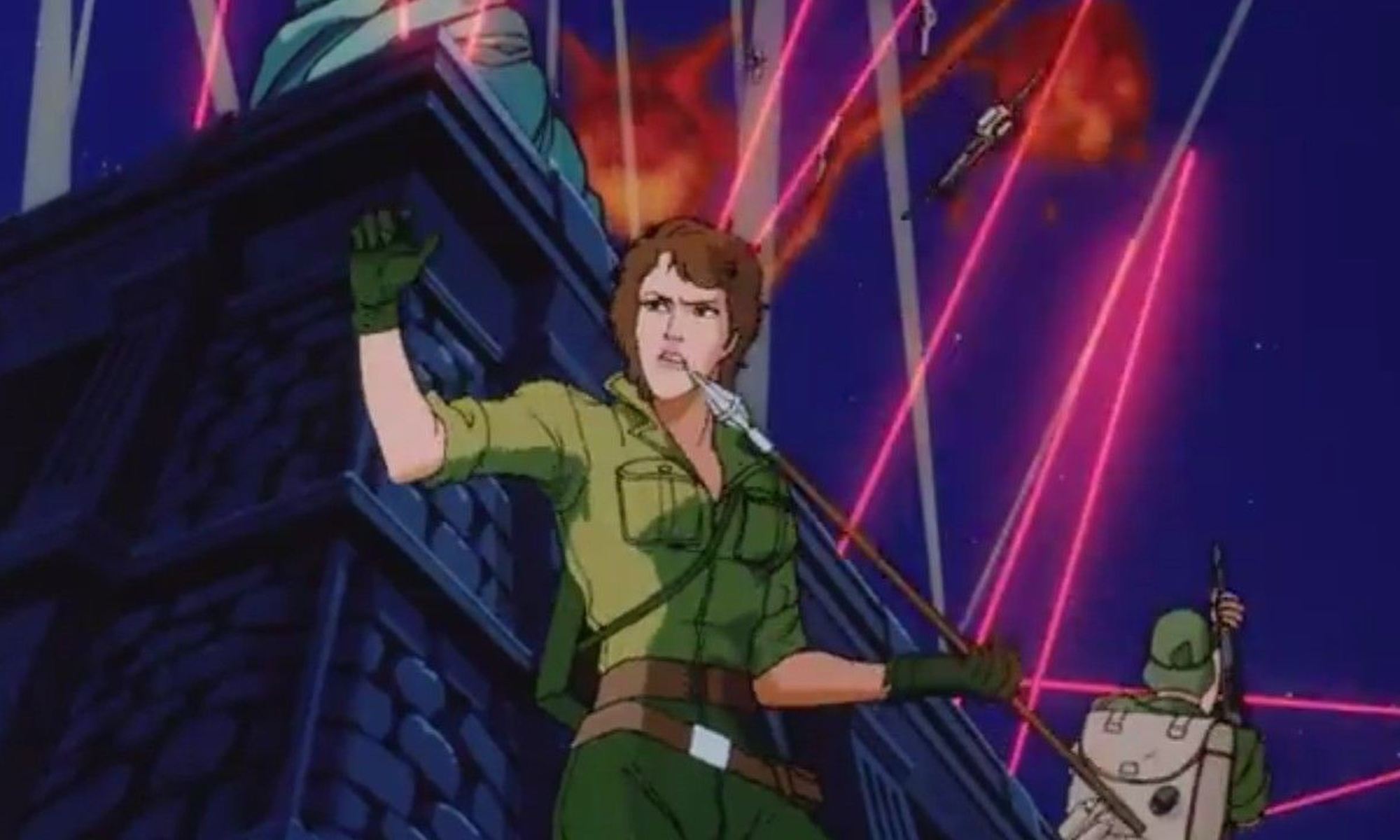
Joe arrived at the church, his usual calm demeanor replaced with steely determination. In his hands, he carried a makeshift weapon: a length of rebar from a nearby construction site, with a rubber snake duct-taped to the end.

“What’s with the snake?” Father Antonio asked, his brow furrowed.

“Symbolism,” Joe replied with a wry grin. “They want to play with dark forces? Let’s give them something to think about.”


The Gathering Storm

As midnight approached, the traffickers gathered in a clearing near the church, their shadowy figures illuminated by the blood moon. Their whispers and chants carried on the wind, chilling those who heard them.

Inside the church, Father Antonio addressed the small group of villagers who had gathered for protection.

“Tonight, we face evil,” he said, his voice steady. “But remember the words of Revelation: ‘He will rule them with an iron rod; he will shatter them like pottery.’

Joe nodded. “I’ll make sure they get the message.”


The Confrontation

Joe strode into the clearing, his iron rod resting on his shoulder. The traffickers froze, their chants faltering as they turned to face him.

“This is sacred ground,” Joe said, his voice echoing with authority. “You’ve got two choices: leave now, or deal with me.”

One of the traffickers sneered, stepping forward. “You think you can stop us with that stick?”

Joe swung the rod in a wide arc, the rubber snake flopping dramatically. “Wanna find out?”

The traffickers hesitated, unnerved by Joe’s confidence and the surreal sight of the snake-taped weapon.


The Battle Under the Blood Moon

When one of the traffickers lunged at him, Joe reacted instantly. With a swift motion, he struck the man’s arm, sending him sprawling to the ground. The others hesitated, their bravado crumbling as Joe advanced.

“You’re not just fighting me,” Joe said, his voice rising. “You’re fighting against every innocent life you’ve harmed. And you will lose.”

The traffickers scattered, their courage no match for Joe’s relentless determination.


Victory and Reflection

When Joe returned to the church, the villagers erupted into cheers. Father Antonio placed a hand on his shoulder, his eyes filled with gratitude.

“You’ve done more than protect this church tonight, Joe,” he said. “You’ve reminded us that evil cannot stand against the light of justice.”

Turning to the congregation, Father Antonio quoted from Revelation once more:

‘To the one who is victorious and does my will to the end, I will give authority over the nations—he will rule them with an iron rod.’


A Symbol of Hope

The next day, the villagers gathered to thank Joe. The iron rod, now a symbol of their triumph, was placed in the church as a reminder of their courage and faith.

Joe, ever humble, waved off the praise. “It wasn’t just me,” he said. “It was all of us, standing together. And maybe a little help from above.”

Under the bright morning sun, the shadow of the blood moon faded, and with it, the fear that had gripped the village. The traffickers were gone, and the people of Fátima could once again find peace in their sanctuary.
Swords into Spaceships

Swords into Spaceships: A Cosmic Accord

The world teetered on the brink of catastrophe. Escalating tensions between the United States and Russia had brought humanity closer to nuclear annihilation than ever before. The rhetoric was fiery, the stakes unimaginably high, and the arsenal of nuclear warheads stood ready to unleash devastation.

But in Ottawa, Prime Minister Nelly Furtado and her husband, First Man Joe Jukic, had a different vision—one that would transform weapons of mass destruction into tools for exploration and unity.


The Call for Mediation

The crisis began with a series of near-misses and aggressive posturing between the two superpowers. Desperate to avoid disaster, the international community turned to Nelly, whose reputation as a skilled mediator and visionary leader had earned global respect.

She reached out to Donald Trump, the former U.S. President still wielding influence, and Vladimir Putin, the Russian leader whose resolve seemed unshakable.

“Gentlemen,” Nelly said during a tense video call, “we can either destroy the world or build something extraordinary together. The choice is yours.”

After days of deliberation, they agreed to meet in Toronto, under the condition that Nelly would mediate personally.


The Meeting of Minds

The summit took place in the iconic CN Tower, a symbol of humanity’s ability to reach for the sky. Trump arrived with his characteristic bravado, while Putin entered with a stoic air of calculation. Joe, ever the steady presence, greeted both men warmly, breaking the initial tension with his charm and humor.

Nelly began the discussion with a bold proposal:

“What if, instead of aiming your nuclear missiles at each other, you aimed them at the stars? Refitted for peaceful purposes, these weapons could power a spaceship capable of exploring the farthest reaches of our galaxy.”

Trump leaned back, intrigued but skeptical. “A spaceship? That’s a big idea. Huge. But why would we work with them?”

Putin raised an eyebrow. “And why would we trust you?”

Joe stepped in. “Because the alternative is extinction. And because the world needs leaders who think beyond borders, beyond politics. Imagine being remembered not as destroyers, but as pioneers.”


Father Sebastian’s Blessing

As negotiations continued, Nelly invited Father Sebastian, the priest from Our Lady of Fatima parish, to address the summit. Known for his wisdom and ability to inspire, Father Sebastian read from the Book of Isaiah:

“They will beat their swords into plowshares and their spears into pruning hooks. Nation will not take up sword against nation, nor will they train for war anymore.” (Isaiah 2:4)

He looked directly at Trump and Putin. “This is your chance to fulfill that prophecy. To turn destruction into creation, fear into hope.”


The Agreement

After hours of intense debate, the two leaders finally agreed. The plan, dubbed Project Genesis, would repurpose nuclear warheads to power a spacecraft capable of deep-space exploration. The ship, symbolically named The Ark, would be a joint effort, combining American ingenuity, Russian engineering, and Canadian diplomacy.

“This is a new chapter,” Nelly declared at the signing ceremony. “Not just for our nations, but for all of humanity.”


Building The Ark

The world watched in awe as the project unfolded. Scientists and engineers from all three countries worked side by side, overcoming language barriers and political mistrust to create something extraordinary.

Joe played a key role in fostering collaboration, often bringing workers together over meals and shared stories. “Food and laughter,” he said with a grin, “are the universal languages.”


The Launch

After years of work, The Ark was ready. The launch site, built in the Canadian Arctic, was chosen for its symbolic neutrality. The ship stood tall against the frozen landscape, a testament to what humanity could achieve when united.

Father Sebastian blessed the spacecraft before liftoff, his voice echoing in the cold air:

“May this vessel carry not just the hopes of nations, but the dreams of all humanity. And may it remind us that peace is the only path to the stars.”

As the countdown began, Nelly stood between Trump and Putin, their faces illuminated by the glow of the rocket.

“This,” she said softly, “is what leadership looks like.”


A Legacy of Peace

The Ark’s successful launch marked a turning point in history. It became a symbol of what could be achieved when nations chose collaboration over conflict.

For Nelly and Joe, it was the culmination of their belief in the power of diplomacy and the human spirit. For Trump and Putin, it was a chance to rewrite their legacies.

And for the world, it was proof that even in the darkest moments, the light of hope could shine through—transforming swords into plowshares and warheads into spaceships.

Club Canada

Club Canada: The Fight Against the Pyramid Scheme

The mood in Ottawa was electric. The headlines screamed of a crisis brewing in Canada: skyrocketing housing prices, overwhelmed food banks, and an immigration system pushed to its breaking point. Prime Minister Nelly Furtado and her husband, Joe Jukic, were at the forefront of a growing backlash against what they had come to call the RRSP Pyramid Scheme—a system that preyed on Canadian workers while promising a future that seemed increasingly out of reach.


The RRSP Pyramid Scheme

At the heart of the issue was the government’s reliance on Registered Retirement Savings Plans (RRSPs) as a cornerstone of Canada’s economy. The scheme depended on perpetual growth—more workers, more taxpayers, more contributors. But as the population aged, the cracks in the system widened.

To sustain the pyramid, the previous government under Justin Trudeau had turned to mass immigration, bringing in record numbers of newcomers to shore up the workforce. But there was a problem: Canada didn’t have the infrastructure to support the influx.

“It’s like a nightclub,” Joe explained during a press conference. “Club Canada has a maximum capacity. You can’t keep letting people in without enough tables, chairs, and food to go around.”

Nelly nodded beside him. “We’re not against immigration. But this isn’t sustainable. We’re setting people up for failure—both the immigrants and the Canadians already struggling to make ends meet.”


The Housing Crisis

The housing market was the most visible symptom of the problem. In cities like Toronto and Vancouver, bidding wars had become the norm, with homes selling for millions over asking price. Immigrants, promised a better life, often found themselves crammed into overcrowded apartments or stuck in endless rental waiting lists.

Nelly and Joe toured some of the hardest-hit neighborhoods, meeting families living in basement suites and makeshift shelters. One family, newly arrived from Syria, shared their story:

“We came here for a future,” the father said, his voice breaking. “But we can’t even find a home. The rent is too high, and the food bank lines are longer every week.”


The Food Shortage

Canada’s agricultural sector was also buckling under the strain. With more mouths to feed and no corresponding increase in production, food prices had soared. Grocery stores rationed staples like milk and bread, while food banks reported record demand.

Joe, who had grown up working on his family’s farm, took a personal interest in the issue. He convened a summit of farmers, economists, and policymakers to find solutions.

“We need to invest in local agriculture,” Joe argued. “We can’t keep relying on imports while our own farmers are struggling. If we don’t fix this, it won’t matter how many people we bring in—there won’t be enough food for anyone.”


The Confrontation with Trudeau

The tipping point came during a televised debate between Nelly and Justin Trudeau, who had returned to politics as the leader of the opposition.

Trudeau defended his policies, insisting that immigration was the key to Canada’s future. “We’re building a more diverse and dynamic country,” he said. “Growth is essential for prosperity.”

Nelly countered, her voice steady but firm. “Growth without infrastructure is chaos. You can’t just open the doors and hope for the best. Housing, food, healthcare—these are not infinite resources. Club Canada is at capacity, and you’ve ignored the bouncer.”

The audience erupted in applause.


A New Plan for Canada

Under Nelly’s leadership, the government implemented a bold new strategy:

  1. Controlled Immigration: Reducing intake to a manageable level while prioritizing skilled workers and family reunification.
  2. Housing Investment: Fast-tracking affordable housing projects and cracking down on foreign speculation in real estate.
  3. Food Security: Subsidizing local farms and encouraging urban agriculture to increase domestic food production.

Joe spearheaded a public awareness campaign, urging Canadians to support the changes. “This isn’t about closing doors,” he said in a national address. “It’s about making sure everyone inside has a seat at the table.”


The Aftermath

The reforms weren’t without controversy. Critics accused Nelly of abandoning Canada’s commitment to humanitarianism, while others claimed the changes didn’t go far enough. But over time, the results spoke for themselves. Housing prices began to stabilize, food banks reported fewer visitors, and immigrants found it easier to integrate into communities.

At a town hall in Vancouver, a young immigrant from Nigeria stood up to speak. “Thank you,” he said, tears in his eyes. “For giving us a real chance to succeed.”

Nelly smiled, her voice filled with hope. “Canada is a place for dreams. But dreams need a foundation. Together, we’re building it.”

And as Club Canada found its balance, the dance floor was no longer overcrowded—just alive with the rhythm of possibility.

Translate »