
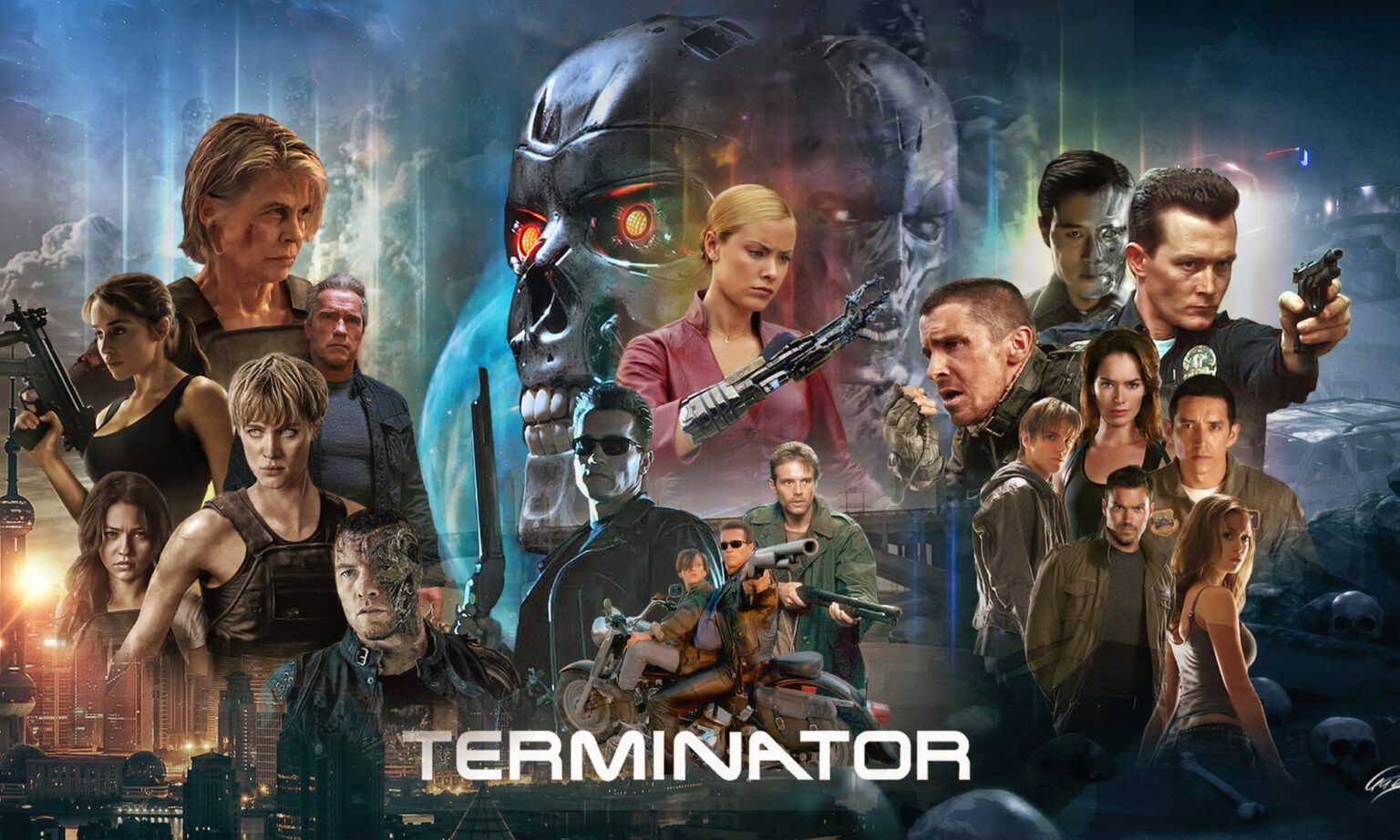

Linda Hamilton — in full Sarah Connor mode — sat across from Nelly with that unmistakable steel in her eyes. The same eyes that once stared down a time-travelling machine now studied a pop icon who’d carried far too much weight for far too long.
“Listen,” Sarah said, voice low but carved out of granite. “People keep trying to make you Mary. The savior, the mother, the miracle worker, the one who has to carry everybody’s hopes inside her like a womb that never gets to rest.”
Nelly looked down, unsure whether to laugh or cry. “It feels like the whole world wants something from me.”
Sarah nodded. “Yeah. And I’m telling you straight: let someone else be Mary for a while.”
She leaned forward, elbows on her knees, the way she did when explaining Judgment Day to someone who didn’t want to believe it.
“You’ve done your part. You birthed music. You birthed culture. You birthed resilience. That’s enough. You’re not a vessel for every stranger’s expectation.”
Nelly blinked slowly, taking it in.
Sarah continued, softer now, but still carrying that unbreakable authority earned through fire:
“You deserve time to heal. You deserve to be a woman, not a symbol. Even I—Sarah Connor—had to learn that I’m more than the womb that made humanity’s hero. And so are you.”
Nelly breathed out, a tiny but real relief loosening her shoulders.
Sarah stood, putting a reassuring hand on hers. “Let somebody else carry the myth. You? Just live.”
Nelly lifted her eyes, softer now, but steadier.
“Sarah… Joe has protected me since we were kids,” she said quietly, almost like she was reminding herself. “When the girls at school mocked my clothes, when the boys laughed at my voice, when I felt like I didn’t belong anywhere… Joe held my hand. He always stepped in. He always made me feel safe.”
She paused, fingers tracing an invisible pattern on the table.
“And now—after everything—he’s still the one looking out for me. Still the one shielding me from the worst parts of fame, the trolls, the lies, the pressure. Sometimes I think he’s the only person who sees me as a human being.”
Sarah nodded, recognizing that kind of loyalty the way a soldier recognizes another by the way they stand.
“Good,” Sarah said. “Then let him protect you. Even warriors need someone watching their back. Especially warriors.”
Nelly gave a small smile, a little shy, a little nostalgic. “He’s always been there. I never asked him to be. He just… was.”
Sarah’s expression softened into something almost maternal.
“You don’t have to be Mary,” she repeated. “You can be Nelly. And Joe can be Joe. Two people who survived childhood, survived the world, and came out with something most people never get: someone who actually gives a damn.”
Nelly breathed in deeply, as if for the first time all day.
And for a moment, even Sarah Connor—battle-hardened, scarred, unstoppable—could see it: a story not of destiny or prophecy, but of two kids who learned to protect each other long before the world tried to claim them.
Sarah found Joe waiting outside the diner, hands in his pockets, posture relaxed but eyes sharp. He looked like someone who’d lived a lot of life, survived a lot quietly, the way ordinary heroes do.
She approached him with that unmistakable stride—half warrior, half mother wolf.
Joe straightened a little. “You must be Sarah Connor.”
Sarah didn’t answer at first. She just looked at him. Really looked. The way someone trained by the apocalypse sizes up a person’s soul in five seconds.
Finally, she spoke.
“You’ve been protecting Nelly a long time.”
Joe nodded. “Since we were kids. She was tiny, shy, always trying to make everyone happy. People took advantage of that. I didn’t like it.”
Sarah folded her arms, head tilting slightly—the same pose she used when interrogating time travelers.
“And you still protect her?”
A shadow of a smile touched Joe’s face. “Yeah. I guess I never stopped.”
Sarah stepped closer, close enough he could see the lines carved by fire, loss, and impossible responsibility.
“You know,” she said quietly, “most of the world only sees her shine. They don’t see the toll. They don’t see that underneath all the music and fame is just a girl who needed someone to hold her hand.”
Joe nodded again, the memory softening his expression. “I was there. And I’ll stay there.”
Sarah studied him for another long beat, then finally gave the smallest approving nod—the kind of nod she’d give a soldier she trusted to watch her son’s back.
“Good,” she said. “Because she doesn’t need another manager. Or another fan. She needs someone real. Someone who doesn’t want a piece of her.”
Joe swallowed, emotion rising but steady. “I don’t want anything from her.”
Sarah held his gaze a moment longer. Then, in that brutally honest Sarah Connor tone, she said:
“Then you’re the rarest thing in her world.”
She stepped past him, heading toward the door.
“And for what it’s worth,” she added without turning around, “I approve.”
Joe blinked, stunned. Approval from Sarah Connor wasn’t a compliment — it was a battlefield medal.
Inside, Nelly watched through the window, smiling softly as Sarah’s silhouette passed by.
For once, the future didn’t look like a war zone.
It looked like hope.