Environmental Disaster Reality Show

Joe and Nellyโ€™s Conversation with the Earth

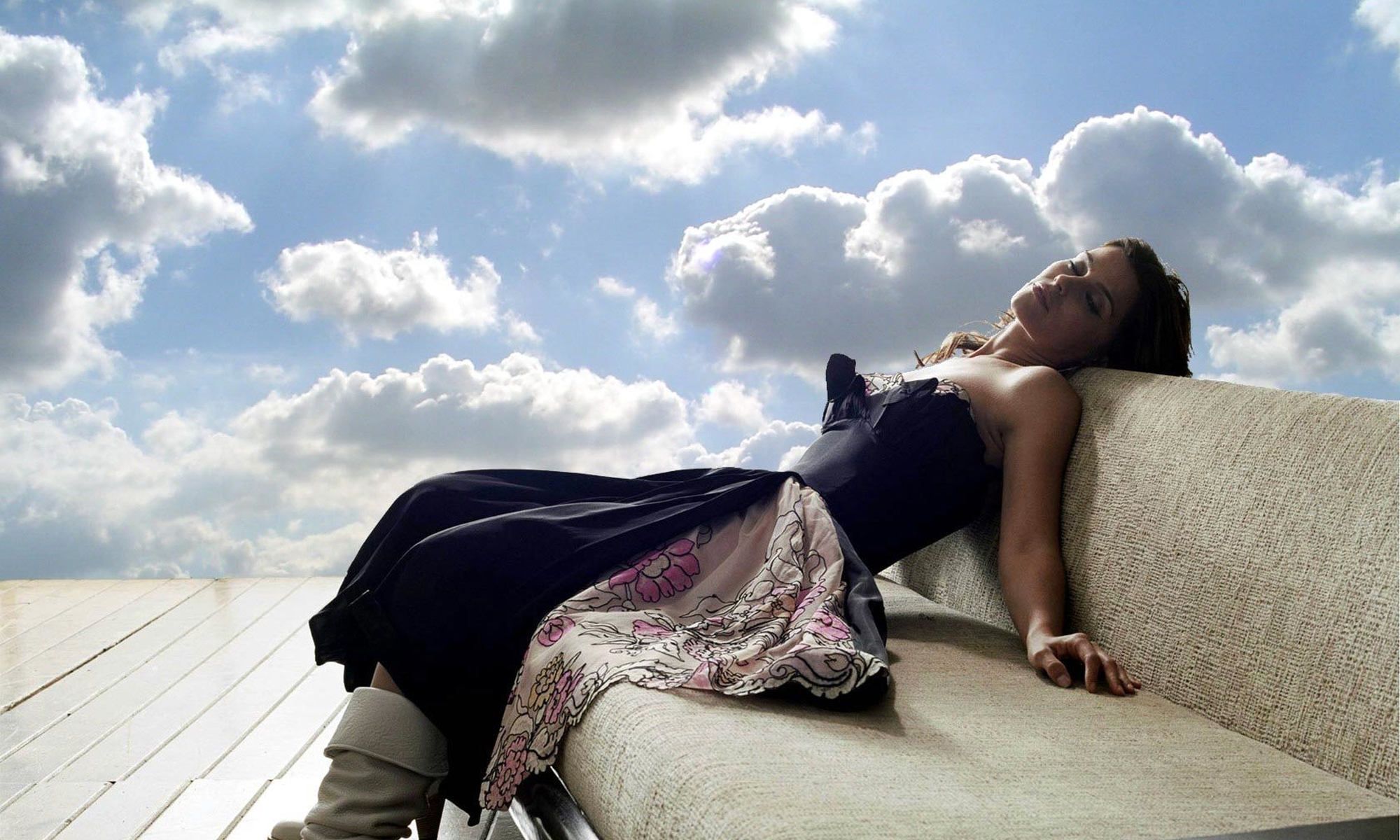
They sat on the edge of a high cliff in Croatia, the Adriatic stretching out endless and blue, its calmness a strange contrast to the storms they spoke of.

Nelly: โ€œItโ€™s funny. The sea looks eternal, but weโ€™ve poisoned almost every ocean already. Sometimes I wonder if the planet remembers each scar weโ€™ve given it.โ€

Joe: โ€œIt does. A hundred years of disasters, and each one is carved deep.โ€

He leaned back, eyes half-shut, and began to list them.

Joe: โ€œFirst came the Dust Bowl in the 1930sโ€”millions of farmers forced off their land in the United States. They treated the earth like an enemy, and the wind carried away their future.โ€

Nelly: โ€œAnd Japanโ€ฆ Minamata. The mercury from that chemical factory killed people slowly. Children born with twisted limbs, whole families cursed by a poison they never chose.โ€

Joe: โ€œThe seas took blow after blow. The Torrey Canyon spill in โ€™67, the Exxon Valdez in Alaska, and later, Deepwater Horizon in the Gulf of Mexico. Oil spreading black like a funeral shroud.โ€

Nellyโ€™s voice lowered.

Nelly: โ€œAnd the land itselfโ€”Love Canal. Families built their homes on buried chemical waste. Mothers watching their children fall sick, while governments looked away.โ€

Joe: โ€œThe machines we thought would save us turned against us. Three Mile Island in America, then Chernobylโ€”radiation that still haunts Ukraine. And Fukushima, when the tsunami ripped through Japan. We promised the atom was safe, but we lied to ourselves.โ€

They fell silent for a moment, listening to the waves slap the rocks.

Nelly: โ€œAnd Bhopal, Joe. That one breaks my heart most of all. A gas cloud that killed thousands while they slept. The poorest paid the highest price.โ€

Joe: โ€œAnd the Aral Sea. Once the fourth largest lake in the world, now just a desert with rusted ships stranded on sand. Whole communities lost, swallowed not by water, but by its absence.โ€

Nelly: โ€œDonโ€™t forget the fires of Kuwait. Black skies, burning oil wells lit by retreating soldiers. The earth itself screaming.โ€

Joe: โ€œAnd while all this happened, the Amazon was cut down tree by tree, lung by lung. And out in the Pacific, our garbage floated into an island of plastic. We didnโ€™t even notice at first.โ€

She pulled her knees to her chest, staring into the horizon.

Nelly: โ€œAll these separate disastersโ€ฆ but they add up to something larger, donโ€™t they? The climate itself shifting. Droughts, floods, heatwaves. Weโ€™ve lit the fuse of the greatest disaster of them all.โ€

Joe: โ€œYeah. Climate change isnโ€™t a single eventโ€”itโ€™s the sum of all our sins. Every mistake amplified. Every choice coming back to haunt us.โ€

The sky darkened slightly, a storm building out to sea.

Nelly: โ€œDo you think weโ€™ll ever learn?โ€

Joe: โ€œThe earth is patient. Maybe sheโ€™s waiting to see if weโ€™re worth forgiving. Maybe our children will be the ones to decide.โ€

The first raindrops fell, cool against their skin. They didnโ€™t move. They let the rain wash over them, as if it were the planetโ€™s tearsโ€”or perhaps its baptism.

What do you think of this post?
  • Awesome (0)
  • Interesting (0)
  • Useful (0)
  • Boring (0)
  • Sucks (0)

The Great Thirst

The Coming Great Thirst

The world did not end with fire. It ended with thirst.

Joe remembered the news clippings from when he was younger, the ones few people cared about at the time. Bolivia, year 2000โ€”Bechtel Corporation had bought the rain. They called it โ€œwater privatization,โ€ but to the peasants in Cochabamba it meant soldiers beating old women for catching rain in buckets. The government had signed away the sky itself. The revolt was crushed, but the precedent was set.

โ€œThat was the first taste,โ€ Joe said to Nelly as they walked along the dry stone streets of Split. โ€œThey told the Bolivians: the water in the ground, the water in the cloudsโ€”itโ€™s not yours. It belongs to the corporation.โ€

Nellyโ€™s steps slowed. โ€œAnd no one stopped them.โ€

โ€œNo one stopped them,โ€ Joe echoed. โ€œBecause the world thought it was far away. Just another poor country. But Nestlรฉ was watching. They saw the future in that contract.โ€

By 2030, Nestlรฉ had become more powerful than many nations. They owned aquifers in Africa, the Alps, even under Canadian First Nations reserves. Every spring that bubbled from rock was branded, bottled, sold back at a hundredfold profit. Governments indebted to them looked the other way.

But desalinationโ€”pulling fresh water from the oceanโ€”was a threat to their empire. Joe had seen the reports, patents locked away, inventors silenced. A Saudi engineer found floating in his pool. A Chilean startup swallowed up and buried. The sea itself had been declared โ€œstrategic territoryโ€ by Nestlรฉ-backed governments.

โ€œTheyโ€™ll never let us drink the ocean,โ€ Joe said bitterly. โ€œBecause then their plastic bottles would be worthless. Theyโ€™ll keep us thirsty enough to pay, but not enough to revolt. Thatโ€™s the balance of power now.โ€

Nelly gazed out over the Adriatic. It glittered like an impossible promise. โ€œAnd if the rains stop coming?โ€

โ€œThey already are,โ€ Joe replied. โ€œCalifornia. Brazil. The Sahel. Even here, the wells are dropping. The rivers are turning to sand. They call it climate change, but I call it managed scarcity. Theyโ€™re letting the world dry out, so the people will beg for the bottle.โ€

He told her about the secret maps Nestlรฉ kept: charts of remaining glaciers, of ancient aquifers deep under bedrock. Each marked with a red circle. Each a future conquest.

โ€œAnd what happens when the last aquifer is drained?โ€ Nelly asked.

Joe looked at her, his voice steady but grim. โ€œThen the world learns what Bolivia already knew. You canโ€™t privatize the sky. And when people finally realize that truth, it wonโ€™t just be protests. Itโ€™ll be wars.โ€

A silence fell between them. The sea hissed against the rocks as if mocking their thirst.

Joe clenched his fists. โ€œWeโ€™ll need to build in secret. A desalination system that canโ€™t be patented, canโ€™t be shut down. Distributed, shared, unstoppable. Before the Great Thirst becomes the law of every land.โ€

Nelly nodded, her eyes glinting with the weight of prophecy. โ€œA new water commons,โ€ she whispered. โ€œThe peopleโ€™s ocean.โ€

The waves thundered against the shore, and for a moment, Joe imagined them risingโ€”not as a threat, but as salvation.

What do you think of this post?
  • Awesome (0)
  • Interesting (0)
  • Useful (0)
  • Boring (0)
  • Sucks (0)

The Great Hunger

Nelly Furtado and Bonoโ€™s 25th Anniversary Jubilee Song was meant to stir the conscience of the nations, a reminder of Jubilee justice, where debts are forgiven and the land is restored. But in Ottawa, Washington, and Brussels, the song fell on deaf ears. Politicians, caught in delusions of grandeur, staged photo-ops and endless speeches while the real problems were ignored.

The Earth groaned. Global warming twisted the seasons: rains withheld, rivers dried, crops failed. Wheat, rice, and corn shriveled in the fields. By the late 2020s, famine spread across the continents, just as the French prophet Nostradamus had warned centuries earlier. The black horse of Revelation 6 rode forth, scales in hand, measuring out grain at the price of gold.

Yet not every nation was caught unprepared. Portugal and Croatiaโ€”two small but faithful landsโ€”had studied scripture and heeded the warning. Revelation 6 taught them to prepare for the horseman of famine, and Psalm 33 gave them courage:

โ€œThe Lord saves them in times of famine;
He keeps them alive in days of scarcity.โ€

By 2033, men began dying in great numbers. Cities crumbled into hunger riots, and the proud nations of the West collapsed under their own weight. But Portugal and Croatia endured. Their people had planted, stored, and prayed. They clung close to Our Lady, and she interceded for them.

In those days, Joe and Nelly became shepherds of survival. Their songs were no longer entertainment but hymns of endurance, guiding their people through the valley of death. They shared food, water, and hope, saving lives in times of famine. The nations mocked them once, but now the world looked upon Portugal and Croatia with awe, for in their faith they had found salvation.

What do you think of this post?
  • Awesome (0)
  • Interesting (0)
  • Useful (0)
  • Boring (0)
  • Sucks (0)
Translate ยป