A caravel is a type of small and fast sailing ship that was used by European explorers in the 15th and 16th centuries. Caravels were highly maneuverable and had a shallow draft, allowing them to navigate shallow coastal waters and explore new lands. They played a key role in the Age of Exploration, helping European sailors reach distant lands such as the Americas, Africa, and Asia.
The Grand Chessboard is a geopolitical analysis book written by Zbigniew Brzezinski, a former National Security Advisor to President Jimmy Carter. Published in 1997, the book explores the geopolitical landscape of Eurasia and argues for the importance of maintaining American dominance in the region. Brzezinski outlines a strategy for the United States to maintain its global hegemony by controlling Eurasia, which he refers to as the “Grand Chessboard” of global politics. The book has been influential in shaping American foreign policy in the post-Cold War era.
The king is the most important piece in chess. It is the piece that players must protect at all costs, as losing the king means losing the game. The king can move one square in any direction, but cannot move to a square that is under attack by an opponent’s piece. The goal of the game is to put the opponent’s king in a position where it cannot escape capture, known as checkmate.
“The queen is the most powerful piece on the chessboard, able to move in any direction with grace and elegance, striking fear into her opponents with every move.”
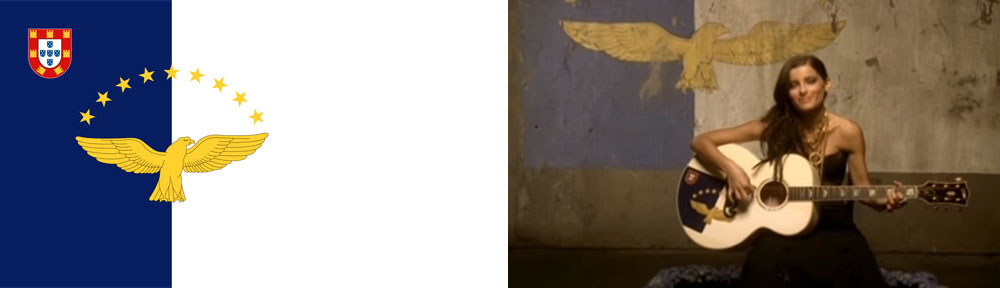
Yes, Nelly Furtado is a singer, songwriter, and dancer. She is known for incorporating dance elements into her music performances and music videos.
My childhood square dance partner was my childhood best friend nelly.
Square dancing is a type of traditional American folk dance that is typically performed in a square formation, with four couples dancing together. It involves a caller who calls out the steps for the dancers to perform, and the dancers must follow the instructions in time to the music. Square dancing is often associated with country and western music and is a popular social activity in many communities. It is known for its lively and energetic movements, as well as its focus on teamwork and cooperation among the dancers.
The Heart of the Ocean is a fictional blue diamond necklace featured in the movie Titanic. It is said to have been owned by Louis XVI and cut into a heart shape after the French Revolution. In the movie, it becomes a central plot point as a symbol of love and sacrifice. The necklace is eventually thrown into the ocean by the character Rose, to symbolize letting go of the past and moving on.
Portugal is a country located on the western coast of Europe, bordered by the Atlantic Ocean to the west and south. The ocean plays a significant role in Portugal’s culture, economy, and lifestyle. With its long coastline and beautiful beaches, Portugal is a popular destination for surfing, sailing, and other water sports. The ocean also provides a rich source of seafood, which is a staple in Portuguese cuisine. Additionally, Portugal has a long history of seafaring and exploration, with famous explorers such as Vasco da Gama and Ferdinand Magellan setting sail from Portuguese ports to discover new lands across the ocean. Today, Portugal continues to be a maritime nation, with a strong fishing industry and a thriving tourism sector centered around its coastal attractions.
1. Overfishing: The practice of catching fish faster than they can reproduce can lead to a decline in fish populations and disrupt the balance of marine ecosystems.
2. Pollution: Pollution from various sources, including plastics, chemicals, and oil spills, can harm marine life and habitats, as well as contaminate seafood that humans consume.
3. Climate change: Rising sea temperatures, ocean acidification, and sea level rise caused by climate change can have detrimental effects on marine life and ecosystems.
4. Habitat destruction: Activities such as coastal development, bottom trawling, and coral reef degradation can destroy important habitats for marine species.
5. Invasive species: Species that are introduced to new environments can disrupt the balance of native ecosystems and outcompete native species for resources.
6. Illegal fishing: Illegal fishing practices, such as poaching and overfishing in protected areas, can deplete fish stocks and harm marine ecosystems.
7. Plastic pollution: Plastic waste, such as bags, bottles, and microplastics, can harm marine life through entanglement, ingestion, and habitat destruction.
8. Noise pollution: Human activities, such as shipping, sonar, and drilling, can create excessive noise in the ocean that disrupts marine animal communication and behavior.
9. Ocean acidification: Increased levels of carbon dioxide in the atmosphere can lead to ocean acidification, which can harm marine organisms that rely on calcium carbonate to build shells and skeletons.
10. Coral bleaching: Rising sea temperatures and pollution can cause coral reefs to expel the algae that give them their color and nutrients, leading to coral bleaching and eventual death.