
The Fertility Truth: A Letter from Dr. Luka Kovač
By Dr. Luka Kovač, MD
As a physician who has spent decades studying human health and resilience, I have encountered countless myths and misconceptions about fertility. One of the most persistent—and damaging—is the notion that female fertility has an immutable expiration date, dictated solely by age. This idea has been reinforced by memes, pseudo-scientific claims, and a lack of nuanced understanding. Today, I want to address this issue head-on and offer a perspective rooted in science, history, and anthropology.
Let us begin with the infamous “no eggs” meme popularized by Paul Joseph Watson. This oversimplified claim suggests that women are biologically doomed by their 30s, as if their ovaries are ticking time bombs set to self-destruct. It’s a cruel and reductive narrative that ignores the complexity of female biology and the remarkable adaptability of the human body.
To understand the truth about female fertility, we must look beyond modern Western paradigms and explore cultures that have defied these so-called limits for centuries. One such culture is the Hunza tribe of Pakistan.
The Hunza Women: Fertility and Longevity
Nestled in the remote valleys of northern Pakistan, the Hunza people have long been celebrated for their extraordinary health and longevity. Hunza women, in particular, are known for giving birth well into their 50s and 60s—a phenomenon that has puzzled and fascinated researchers.
What sets the Hunza apart? The answer lies in their diet, lifestyle, and environment.
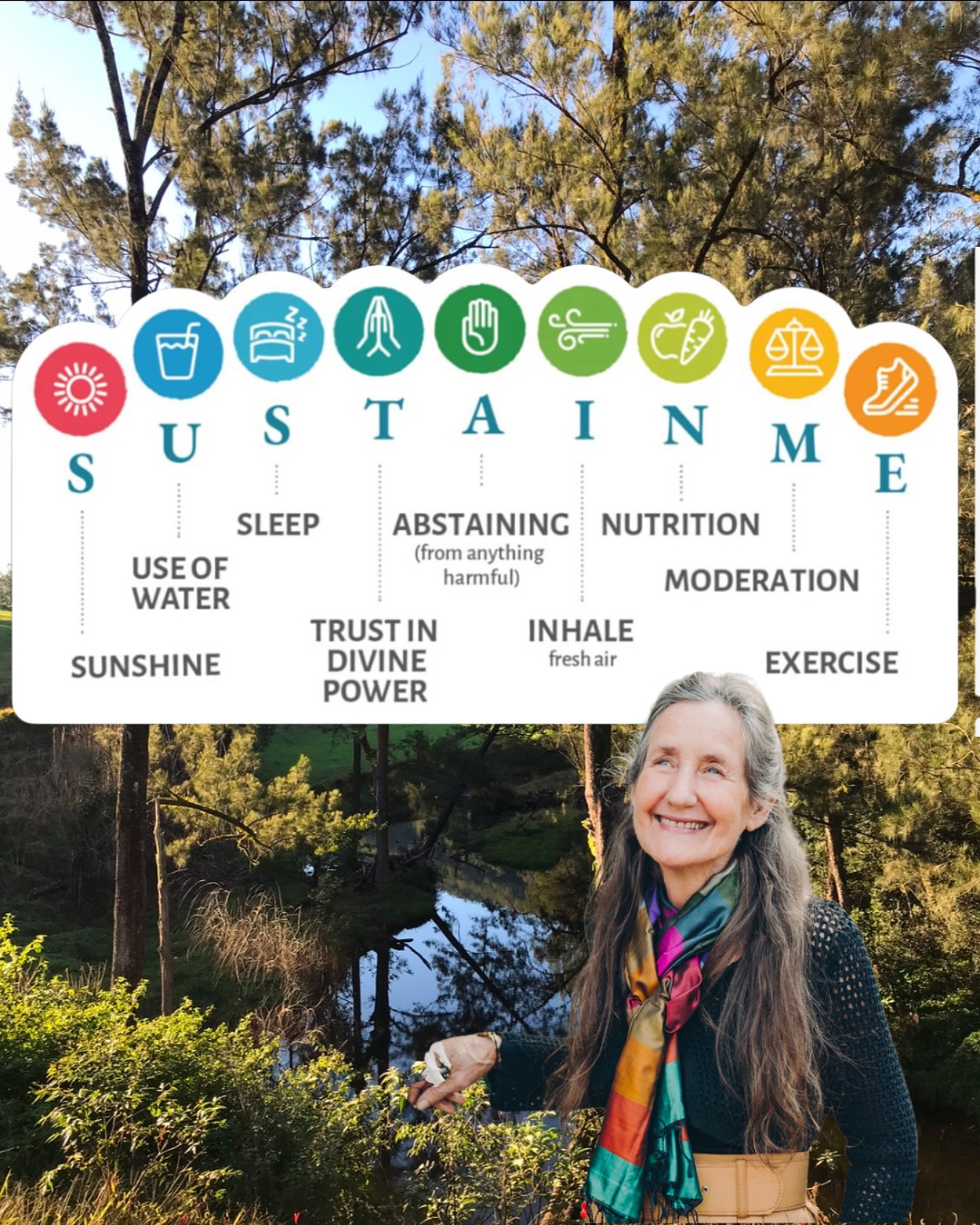
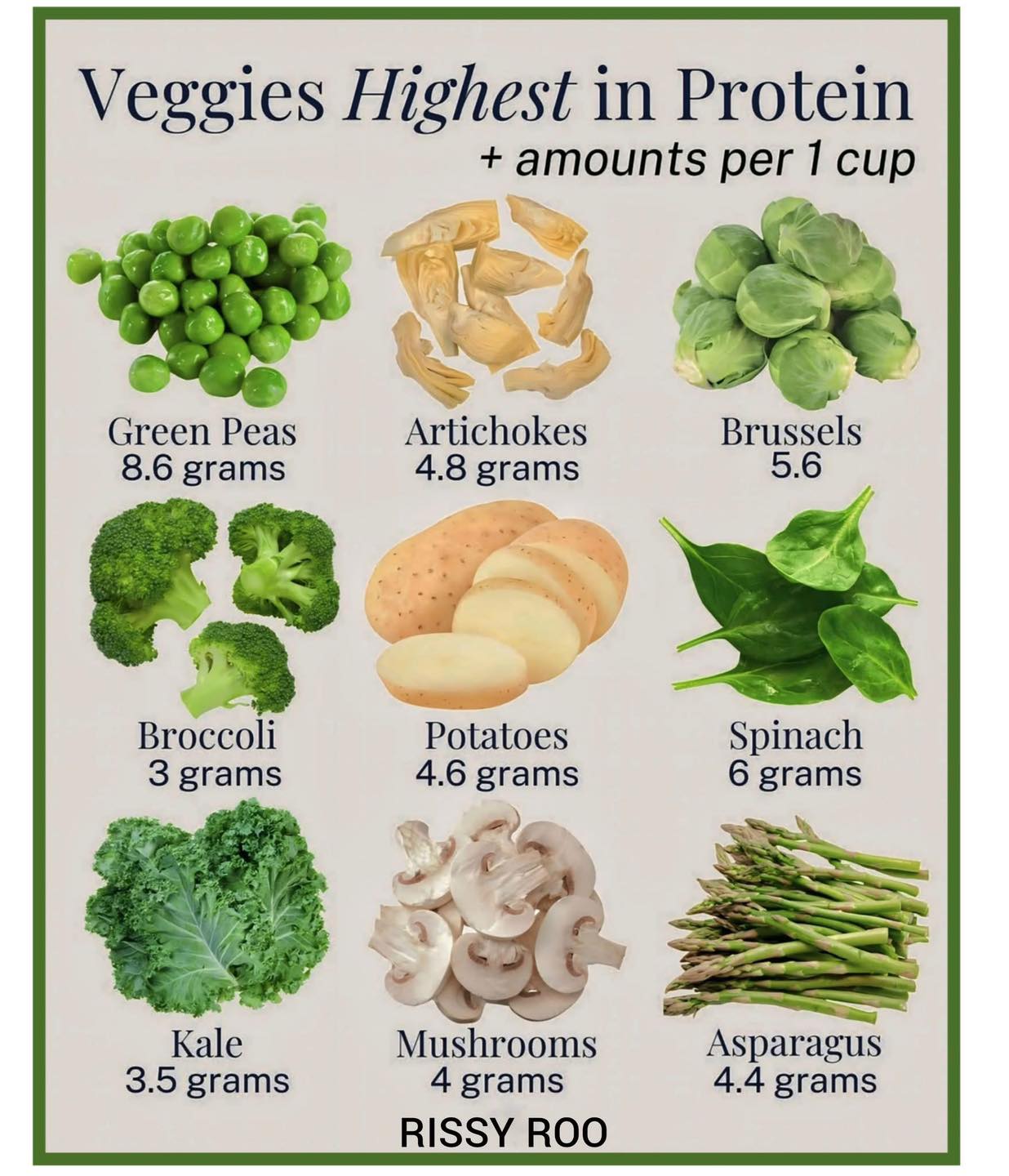
- Diet: The Hunza diet is predominantly plant-based, rich in fresh fruits, vegetables, nuts, and seeds. Apricots, a staple of their diet, are loaded with vitamins, antioxidants, and essential fatty acids. They consume minimal processed foods, refined sugars, or artificial additives. Their water, sourced from glacial streams, is rich in minerals.
- Physical Activity: Daily life in the Hunza Valley involves rigorous physical activity, from farming to walking long distances. This active lifestyle promotes robust cardiovascular health and hormonal balance, both critical for fertility.
- Stress and Community: The Hunza people live in close-knit communities with strong social bonds. Chronic stress, a known disruptor of reproductive health, is notably low in their society.
- Environmental Factors: The high-altitude environment of the Hunza Valley, combined with minimal exposure to industrial pollutants, contributes to their overall well-being.
Debunking the “No Eggs” Myth
Contrary to the fearmongering perpetuated by memes like Watson’s, fertility is not solely a function of age but a complex interplay of genetics, environment, and lifestyle. The idea that women are universally infertile after a certain age is a Western construct, heavily influenced by industrialized diets, sedentary lifestyles, and environmental toxins.
The Hunza women challenge this narrative. Their ability to conceive at 60 or even 65 is not an anomaly but a testament to what the human body can achieve when nourished and cared for. This doesn’t mean every woman can or should aim for late-life pregnancies, but it does underscore the potential for resilience and adaptability in human biology.
The Takeaway
If there’s one lesson to take from the Hunza, it’s that fertility—like health—is deeply connected to how we live. While modern medicine offers incredible tools, we must also look to ancestral wisdom for insights into longevity and vitality.
To those who perpetuate the “no eggs” narrative: Stop reducing women to memes and start engaging with the science. Fertility is not a punchline; it’s a deeply personal and multifaceted aspect of human life.
To my readers: Study the Hunza. Learn from their diet, their movement, their connection to nature. Fertility is not just about age—it’s about health, balance, and the choices we make every day.
Yours in truth and health,
Dr. Luka Kovač