
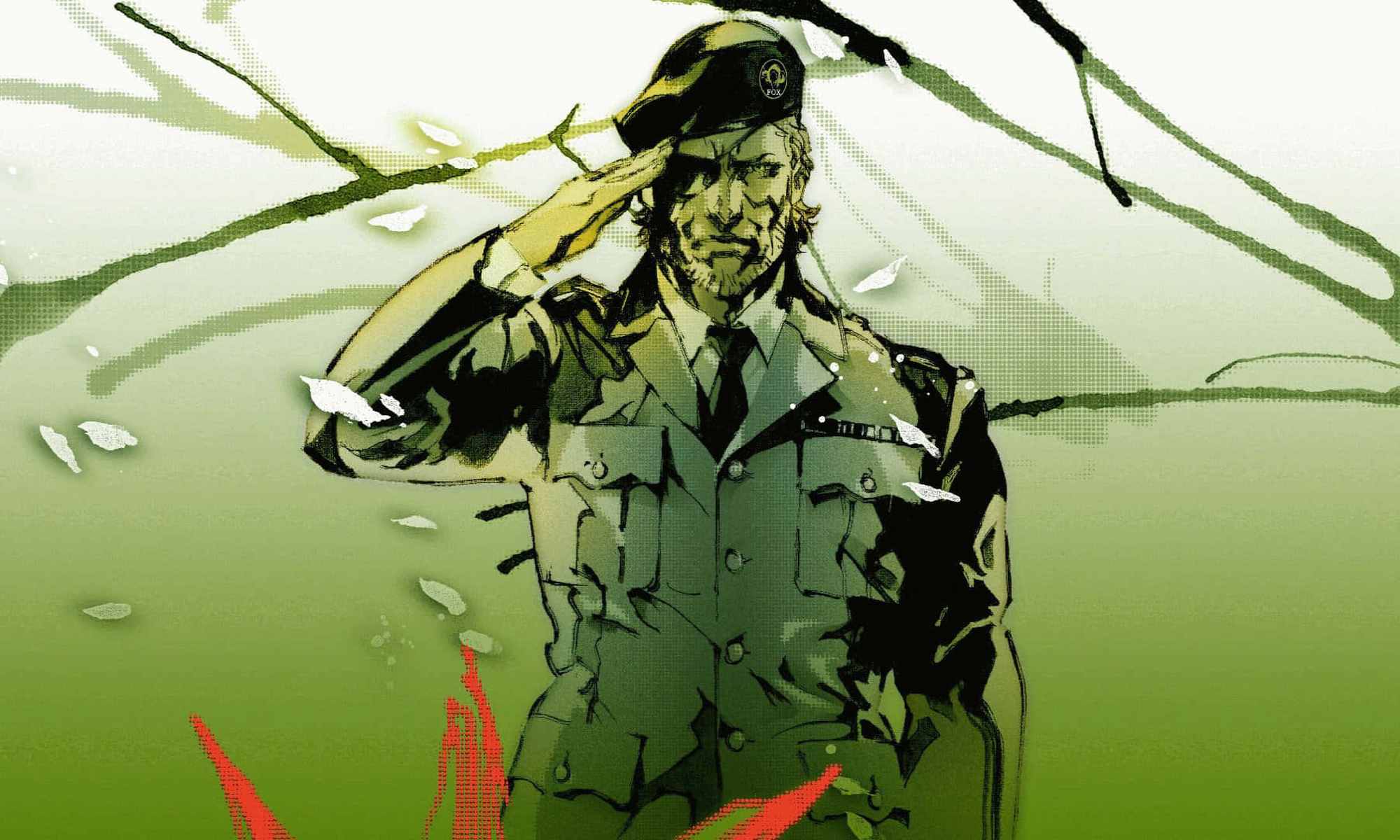
German Trauma

I’ve walked through Berlin before. It’s a city of steel and scars—modern glass towers reflecting streets that still remember the weight of tanks. You can feel it when you step off the train: the silence between the words, the way the air seems to carry a burden no one talks about out loud.

Germany… they’ve lost so many of their people. Two wars, two broken empires, entire generations ground up in the gears of ideology and conquest. A collective trauma like that doesn’t vanish. It lingers in the bones of the survivors, and it shapes their children and their children’s children. You see it in their eyes—a mix of pride, shame, and fatigue.

And I can’t shake the thought… somewhere in Moscow, Lenin and Stalin are still lying in their glass coffins, mummified monuments to a system that promised utopia and delivered graves. They’re waiting. Waiting for their show trial. Not the kind staged for propaganda, but the kind history gives, slow and merciless.

The trial isn’t in a courtroom. It’s in the ruins left behind. It’s in the empty villages where fathers never came home. It’s in the whispers of families who never found the bodies of their sons. It’s in Germany, Russia, Ukraine—all the lands that bore the cost of their visions.

When I think about it, I wonder if nations carry wounds the same way soldiers do. Trauma buried deep, never healed, only scarred over. And scars… they ache when the weather changes.

Germany still aches. The ghosts of their dead march alongside them. And until the world can put Lenin and Stalin on the stand—not just their names, but the entire legacy of death and deception—they’ll keep haunting us all.

Because history doesn’t bury its monsters. It preserves them.

What do you think of this post?
  • Awesome (0)
  • Interesting (0)
  • Useful (0)
  • Boring (0)
  • Sucks (0)

Pick out a White Dress

The night still hummed with Nelly’s song, her voice echoing in Joe’s heart: “If I get married, I want it to be… forever.” The engagement ring—his mother’s—shone on her hand, a circle of love passed through generations.

They slid into the white Chrysler 300 Convertible, laughter and tears still tangled between them. Joe pulled out his phone, opening up a search window.

“Alright,” he grinned, “time to find the dress.”

Nelly leaned closer, scrolling with him. Then Joe stopped on a picture, his eyes widening. “There,” he said, tapping the screen.

It was Ariana Grande’s breathtaking Michelangelo dress—a sculptural white masterpiece, draped in sweeping folds that looked like they had been carved from marble itself. The fabric cascaded like angel wings, glowing with a light all its own, as if heaven had poured itself into cloth.

Nelly let out a soft gasp. “It’s… divine.”

Joe nodded, but then his tone grew thoughtful, almost prophetic. “But listen,” he said firmly, “we’re not wasting creation. We’ll recycle this dress. Something so beautiful shouldn’t be worn once and locked away—it should be passed down, like my mother’s ring. Renewed. Eternal. Just like us.”

Nelly smiled, tears in her eyes again. “You finally said it right, Joe.”

And as the image of the Michelangelo dress lingered on the screen, it wasn’t just couture anymore—it was a symbol of resurrection, recycling beauty into forever, like prophecy woven into fabric.

What do you think of this post?
  • Awesome (0)
  • Interesting (0)
  • Useful (0)
  • Boring (0)
  • Sucks (0)
Translate »