Dune Delirium

Jelly’s Dune Upgrade and the False Mahdi

Nelly and Joe, known affectionately by their fans as “Jelly,” sat in their cozy studio, surrounded by keyboards, mixers, and screens displaying clips from their Dune project. The room pulsed with the low hum of synthesizers as they worked on upgrading the music for their modern reimagining of the sci-fi epic.

Joe leaned back in his chair, tapping his pen against the desk. “We need something that captures the mysticism of the desert and the weight of destiny. Something timeless but raw.”

Nelly nodded, adjusting a slider on the mixer. “Exactly. The story is about power, prophecy, and manipulation. It’s a cautionary tale, really.”

Joe smirked. “Speaking of cautionary tales, the idea of a false Mahdi has been on my mind. You know, someone claiming divine authority but leading people astray.”

Nelly raised an eyebrow. “You’re thinking about Osama bin Laden again, aren’t you?”

Joe chuckled, a bit sheepishly. “You caught me. But seriously, think about it. Bin Laden styled himself as a kind of Mahdi figure, rallying people under the guise of holy war. And look where it got him—dead in a compound, buried at sea.”

Nelly leaned back, crossing her arms. “And no one claimed the $25 million bounty. The most wanted man in the world, and not a single person stepped forward. Makes you wonder, doesn’t it?”

Joe nodded, his expression thoughtful. “It’s like the whole thing was wrapped in layers of secrecy. Either people were too scared, or they didn’t trust the system to protect them. Or maybe…” He hesitated, as if weighing whether to say it.

“Maybe what?” Nelly prompted.

“Maybe the people who knew didn’t want the money. Maybe they were ideologically aligned or just didn’t care about the reward.”

Nelly frowned, her fingers tapping a rhythm on the desk. “Or maybe the bounty was just a symbol, a way to make the public feel like they had a role in the hunt. A carrot on a stick, you know?”

Joe sighed. “Could be. But it still blows my mind. We’re talking about $25 million. That’s life-changing money.”

“Life-changing, sure,” Nelly said, “but at what cost? If you were in that world, would you risk your life and your family’s safety for it? Probably not.”

Joe nodded slowly, the weight of her words sinking in. “You’re right. It’s not as simple as it sounds.”

The room fell silent for a moment, the only sound the faint hum of the equipment. Then Nelly broke the silence. “You know, the parallels between Dune and the real world are uncanny. The idea of a false savior, the manipulation of belief systems—it’s all there. We should channel that into the music.”

Joe grinned, picking up his guitar. “You’re reading my mind, Nelly. Let’s create something that feels like the desert—vast, mysterious, and dangerous. Something that reminds people to question what they’re told.”

As the first notes filled the room, Jelly poured their passion into the project, blending ancient rhythms with futuristic sounds. Their music became a bridge between worlds, a reflection of both the fictional universe of Dune and the harsh realities of their own.

Religion of Peace

Joe sat with Nelly in the warm light of a quiet evening, the conversation turning to faith and unity as it often did when they were together. He leaned forward, his voice earnest yet calm, as he began to speak about a subject close to his heart.

“Do you know why Our Lady appeared in Fatima?” Joe asked, his eyes meeting hers. “It wasn’t just for Catholics. It was to send a message that transcends religion. Fatima was named after the daughter of the Prophet Muhammad, peace be upon him. It’s no coincidence. Our Lady chose that place to remind us that Islam is a religion of peace, and that we’re all called to stand united against the forces of evil.”

Nelly listened intently, her expression thoughtful.

Joe continued, “Satan’s empire is ancient. That double-headed eagle or phoenix you see in Kubrick’s Eyes Wide Shut? It’s not just a symbol of power; it’s the mark of an empire that has existed for thousands of years. Long before Christ, it was a symbol of domination and control, used by those who worship power above all else. It’s the Devil’s throne, a reminder of the chaos he’s sown throughout history.”

Nelly tilted her head. “And you think Fatima is the key to uniting everyone?”

Joe nodded. “I do. Our Lady’s message wasn’t just for one faith. It was a call to arms for all people of goodwill—Christians, Muslims, Jews, anyone who believes in peace and justice. She wanted us to see through the lies, to recognize the symbols of division and oppression, and to stand together against them.”

Nelly sighed, a mix of hope and skepticism in her voice. “It’s a beautiful idea, Joe. But do you really think it’s possible? With everything happening in the world?”

Joe smiled gently. “It’s not easy, I know. But that’s why faith matters. If we believe that unity is possible, that peace is worth fighting for, then we have a chance. The Devil thrives on division, on making us see each other as enemies. But Fatima reminds us that we’re all part of the same story. We just have to be brave enough to live it.”

Nelly looked at Joe, her eyes softening. “You always know how to make me think.”

Joe chuckled. “Just trying to do my part, Nelly. If we can hold onto hope, even in the face of the ancient throne, then maybe we can be the ones to rewrite the ending.”

The two sat in silence for a moment, the weight of the conversation settling over them like a prayer.

Dune: Sword of Mahdi

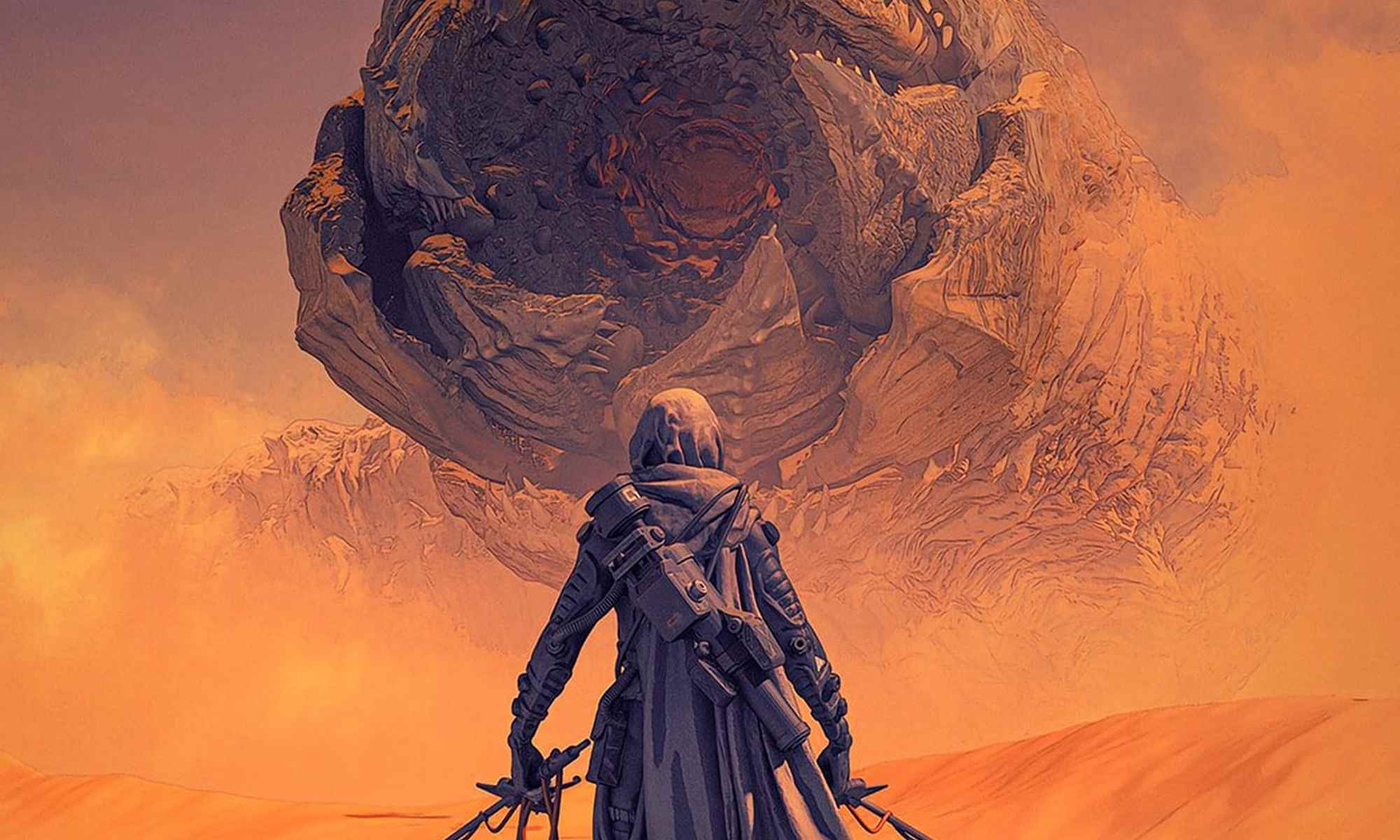
In Frank Herbert’s Dune series, the term “Mahdi” refers to a prophesied messianic figure within the Fremen culture. The Fremen are the desert-dwelling people of the planet Arrakis, also known as Dune. The concept of the Mahdi in Dune is heavily influenced by Islamic eschatology, where the Mahdi is a messianic figure who is expected to bring justice and peace.

In the Dune narrative, Paul Atreides is seen by the Fremen as the Mahdi. They call him “Muad’Dib,” a name he takes on during his time with them. Paul, through a combination of his abilities, political maneuvering, and the religious expectations of the Fremen, fulfills the role of the Mahdi. He leads them in a rebellion against the ruling forces, ultimately reshaping the political and social landscape of the galaxy.

The character of the Mahdi in Dune is a complex blend of religious prophecy, political leadership, and personal destiny. Paul’s journey reflects the powerful influence of belief systems and the ways in which individuals can become symbols for larger movements or ideologies.

Translate »