The Medak Redemption

[Metal Gear: The Medak Redemption]

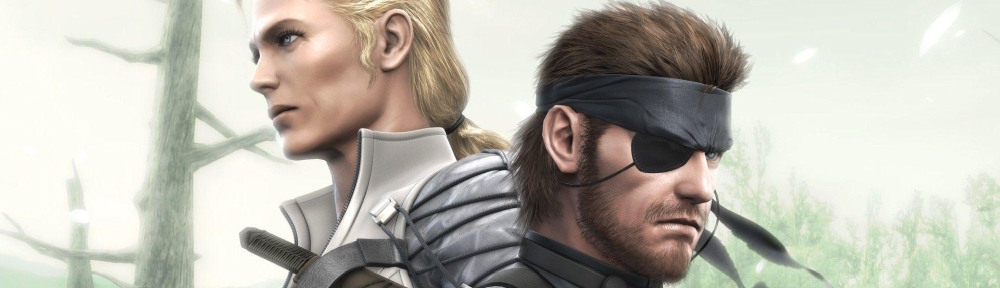
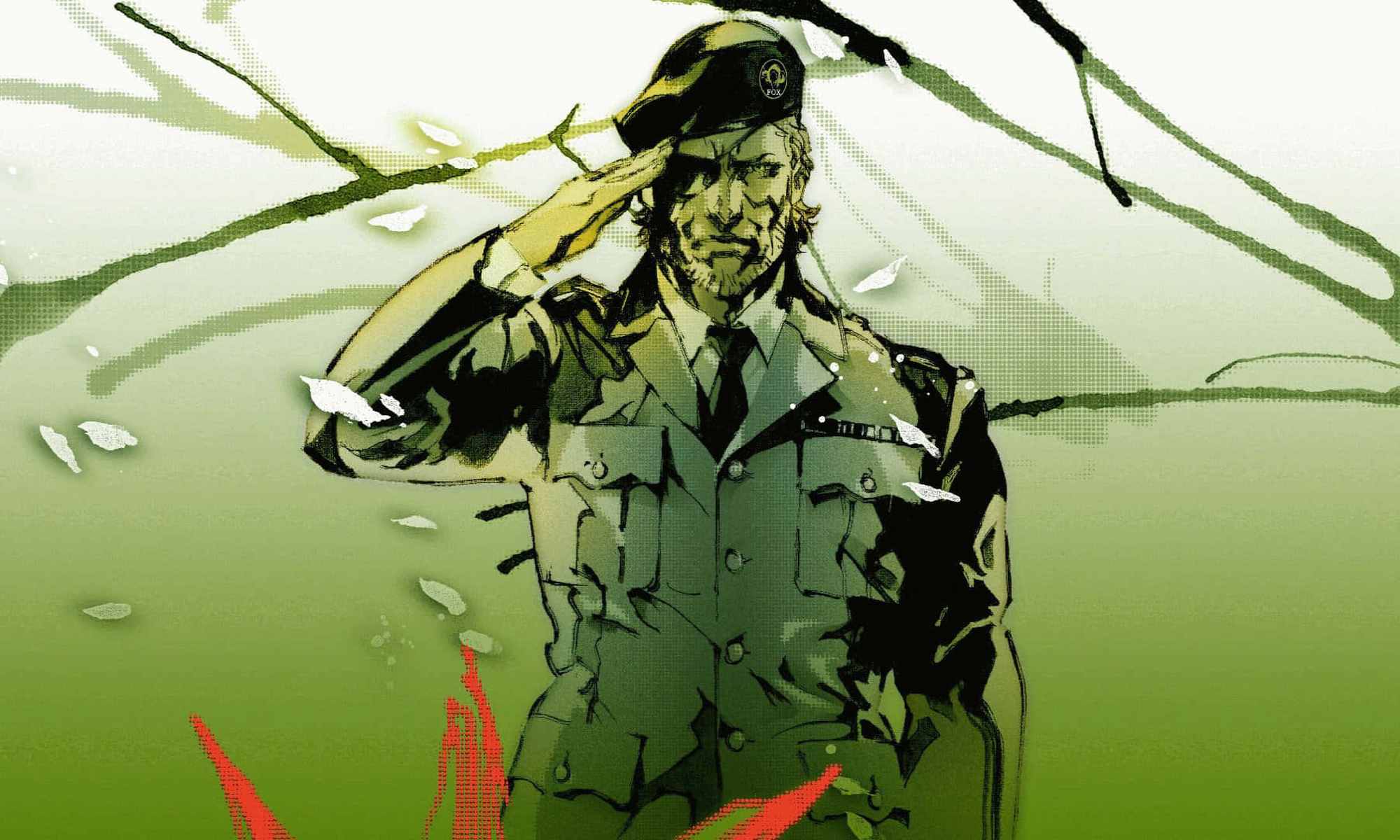
Solid Snake stood in the sterile, dimly lit medical bay of HQ, arms crossed, his battle-worn face tense with frustration. The overhead fluorescents hummed softly as he addressed the lead scientist, Dr. Clark, and her team.

“I need stem cells,” Snake stated bluntly. “A peacekeeper—one of ours—lost the use of his legs at Medak Pocket. He deserves a second chance.”

Dr. Clark adjusted her glasses, looking up from a tablet filled with classified medical data. “Snake, you know the protocols. Even with today’s advancements, spinal regeneration via stem cells is still—”

“I don’t want excuses,” Snake cut in. “I want solutions. This man was sent into hell to keep the peace, and he came back broken. Now he’s rotting in a wheelchair because politicians only care about peacekeepers when they’re useful.”

One of the younger doctors, a Croatian named Dr. Stjepan, cleared his throat. “Medak Pocket… that was a brutal battle. The things they saw there…” He hesitated, then met Snake’s piercing gaze. “If he survived that, he deserves better than to be forgotten.”

Dr. Clark sighed, setting her tablet down. “The problem isn’t capability, Snake. It’s authorization. The Pentagon won’t approve experimental treatments for non-combat personnel.”

Snake clenched his jaw. “That’s bull. This guy fought harder for peace than most of those ‘combat personnel’ ever did. The politicians didn’t want the world to know about Medak Pocket because it messed with their narrative.”

Dr. Stjepan exhaled sharply. “And if we go around the system?”

A cold smirk crossed Snake’s face. “Wouldn’t be the first time.”

Dr. Clark narrowed her eyes. “You’re suggesting we acquire the necessary stem cells… off the books?”

“You said it, not me,” Snake muttered.

Silence hung in the air.

Finally, Dr. Stjepan nodded. “I have some contacts at a private lab in Zagreb. They’ve been making breakthroughs in neuroregeneration.”

Dr. Clark crossed her arms. “If we get caught, it’s both our careers.”

Snake shrugged. “If we don’t, a soldier who gave everything for peace is left to rot. I don’t know about you, but I can live with the first option.”

Dr. Clark sighed. “Alright, Snake. But if anyone asks, this conversation never happened.”

Snake gave a small nod. “It never did.”

Don’t Give Up Africa

JCJ: You know, Bono, Africa doesn’t need another white savior. It needs a leader of its own blood. Someone who understands the struggle, who’s lived it.

Bono: I hear you, Joe. But the world’s been conditioned to believe that change only comes when the West steps in. It’s a dangerous illusion.

JCJ: Exactly. I made a page for my good friend and barber, Bkenyan. He’s the real deal. He knows what it means to go hungry, to hustle, to survive. He’s got the heart and the vision to lead Africa out of extreme poverty.

Bono: A barber, huh? You think he can unite a continent?

JCJ: Why not? Wasn’t Mandela just a man before he became a legend? Wasn’t Sankara just a soldier before he became a revolutionary? The difference between a leader and a nobody is just the moment they decide to stand up.

Bono: I like that. But Africa’s problems run deep—corrupt governments, foreign exploitation, debt traps. The West keeps the continent on a leash.

JCJ: That’s why the leader has to be one of their own. No outsider can do it. They’ve tried—missionaries, NGOs, billionaires throwing charity money around. It doesn’t work. Africa needs ownership of its own future.

Bono: So what’s Bkenyan’s vision?

JCJ: Self-sufficiency. Agriculture, industry, education. No more relying on handouts. No more IMF loans with strings attached. He wants to create an African economic alliance—like a new OPEC, but for food, energy, and tech. Imagine if Africa controlled its own resources instead of selling them off for pennies.

Bono: That’s bold. But leaders like that… they make enemies fast.

JCJ: So did every great leader before they changed the world. The question is—does Bkenyan have the will to face it?

Bono: If he does, he’ll need more than just a page. He’ll need a movement.

JCJ: Then let’s start one.

A Radiant Solution

The desert was quiet, the sun a smoldering orb in a sky the color of ash. Prince Harry adjusted his respirator and wiped the sweat from his brow. Beside him, Solid Snake scanned the barren landscape through his eyepatch, the Geiger counter in his hand clicking ominously. The battlefield stretched before them, littered with twisted metal and the invisible menace of depleted uranium.

They had come together for a singular purpose: to heal the scars of war. Harry, a former soldier turned environmental advocate, had grown tired of watching the earth bear the toxic burden of human conflict. Snake, the legendary mercenary, had seen the fallout of countless battles. They both agreed on one thing—there had to be a better way.

The plan was simple in theory, but audacious in practice. Using a type of fungus capable of metabolizing heavy metals and radiation, they hoped to decontaminate the land. The challenge was getting permission to deploy it. The generals in charge of the region were less than cooperative.

“This is a warzone, not a petri dish,” bellowed General Lancaster, slamming his fist on the table during their first meeting. “We can’t afford to let you play mad scientists with our soil.”

“With respect,” Harry had replied, his voice steady, “the soil is already a warzone. Let us try to fix what you’ve broken.”

But bureaucracy and pride proved formidable foes. Weeks passed as Harry and Snake made their case to military officials, environmental agencies, and even the media. They were met with skepticism, ridicule, and outright hostility. Yet they pressed on, setting up clandestine experiments in the dead of night.

One evening, as the sun dipped below the horizon, Snake crouched next to a shallow pit they had dug. “If this works, we’ll have proof,” he muttered, sprinkling spores over a pile of uranium-tainted debris. Harry stood nearby, the faint hum of a drone patrol keeping him alert.

By dawn, their gamble paid off. The Geiger counter showed reduced radiation levels around the test site. The fungus had begun breaking down the uranium compounds, rendering them inert. They filmed the results and sent the footage to the press. It went viral overnight.

The public outcry was immediate. Soldiers and civilians alike demanded the military give Harry and Snake the green light. The generals, cornered by public opinion, begrudgingly relented.

Over the next months, Harry and Snake led teams across the battlefield, sowing spores into the earth and watching as the fungi did their work. The land, once a toxic wasteland, began to heal. Grass grew where nothing had sprouted in years, and animals tentatively returned.

At the edge of a newly green field, Harry turned to Snake. “Do you think it’ll last?”

Snake lit a cigarette, the ember glowing faintly. “It’s not about lasting forever,” he said. “It’s about giving the world a fighting chance.”

As they packed up for the day, a message crackled over the radio. General Lancaster’s voice, gruff but softer than before. “Good work out there. I was wrong.”

Harry smiled faintly. Victory wasn’t just in the soil—it was in the hearts and minds they’d changed.

Translate »