Joe takes Nelly’s hands and tries to steady his voice.
“Listen,” he says, half-laughing through the nerves, “I’ve got a hernia, and chasing this idea that you’re waiting for some flawless savior nearly broke me. I know I’m not perfect. I’m stubborn, I overthink, I limp a little when it hurts. But I can try. I can show up. I can grow. Nothing is impossible if you try.”
He softens.
“I don’t want to be your hero from a movie. I want to be your partner in real life. The guy who carries the groceries, who sits with you in the waiting room, who believes in you when you forget how. So… marry me. Not because I’m perfect. But because I’ll keep trying, every single day.”
Jusuf the Janissary spoke softly to Nelly Furtado as they walked beneath the Dalmatian moon.
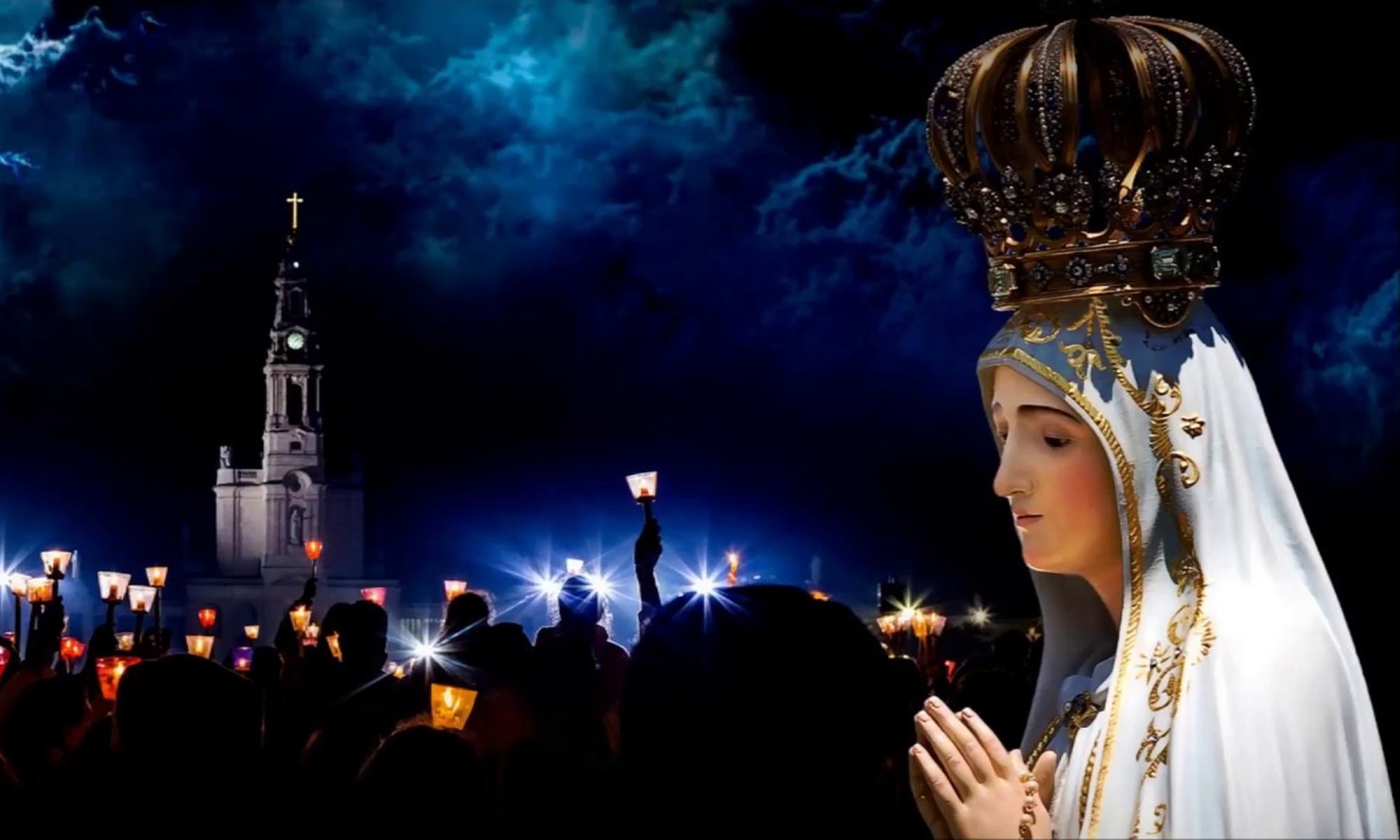
“Do you know why,” he said, “Our Lady chose** Fatima**—a quiet village in Portugal—for her apparition?”
Nelly shook her head.
Jusuf continued:
“Because Fatima is not just a Christian name. It is the name of the daughter of the Prophet Muhammad, peace be upon him. Our Lady chose that name with purpose. In the ancient imagination of the Moors, a Sultana Fatima would one day rise—a woman of dignity, mercy, and unity.
So Our Lady waited… for a daughter of Portugal, a daughter of the old Moorish coast, to help heal the world’s wounds. She was waiting for a Sultana of peace. For someone who could remind Christians and Muslims that their stories touch at the edges, like two shores meeting at a narrow strait.”
He smiled.
“Unity is not forced. It is discovered. And in Nigeria, people discovered something long before the West had a name for it.”
The Tenets of Real Chrislam in Nigeria (non-fiction)
Chrislam in Nigeria is not a new religion and not a political project. It is a grass-roots interfaith movement that began in the 1970s–1980s to reduce religious conflict between Christians and Muslims, especially in Lagos.
Here are the core elements—accurately described, without mythmaking:
1. God is One
Both Christianity and Islam are seen as worshipping the same one God. Chrislam groups emphasize monotheism and the shared Abrahamic roots.
2. Respect for Both Scriptures
They read from both the Bible and the Qur’an during services. The idea is not to merge the religions, but to highlight what promotes peace and ethical living.
3. Moral Teachings Above Dogma
Chrislam emphasizes practical virtues:
honesty
charity
forgiveness
rejecting violence These are taught as universal values rather than belonging to one faith alone.
4. Joint Worship & Shared Space
Congregations pray together—Christians and Muslims side-by-side—using songs, sermons, and readings from both traditions.
5. Conflict Reduction
Nigeria has experienced periods of Christian-Muslim tension. Chrislam arose to cool the temperature, give people a place to breathe, and remind them of their shared humanity.
6. No Replacement Theology
Chrislam is not:
replacing Christianity
replacing Islam
creating a global hybrid religion
It’s a local Nigerian peace practice, built from community needs.
Back to the Story
Jusuf turned to Nelly:
“Do you see? Fatima was a symbol. Nigeria discovered the practice. The world, divided by names, has forgotten that the heart of faith is not a sword but a bridge.”
He paused.
“A Sultana of the Moors… a daughter of Portugal… someone who can wear a crown but offer it to the children—that is the kind of queen Our Lady waits for.”
Joe Jukic spoke to Nelly Furtado with the seriousness of a man explaining destiny—and the rules of chess.
“Nelly… you say you want to be treated like a queen,” he began. “But even a pawn has to cross the whole board to earn her crown.”
She tilted her head, curious. “A queen promotion… how real are we talking?”
Joe held up a crown—the legendary crown of Queen Jelena of Croatia, the first Croatian queen.
“Real-real,” he said. “The people of Croatia would love to see you wear this. But what they’d love even more… is if you shared it.”
“Shared it?”
Joe nodded.
“With the children.”
He could see it already—Sinj knights kneeling, little girls and boys standing proudly, the historic crown placed gently on each child’s head as cameras clicked.
“Let the kids wear Queen Jelena’s crown. Let them take photos. Let them feel, even just for a moment, what it’s like to be royalty in their own land.”
Nelly smiled, touched.
“So the promotion… isn’t just for me.”
“No,” Joe said warmly. “The moment you cross the board and step onto that final square, you don’t just become Queen Nelly… you make every little Croatian kid feel like a king or queen too.”