Nelly watches as the elites build nuclear bunkers on the Vice YouTube channel. She laments, “There goes my career!”
Joe, scrolling through his phone, glances up. “Revelation 6, Nelly. The sixth seal. And the kings of the earth, and the great men, and the rich men, and the chief captains, and the mighty men, and every bondman, and every free man, hid themselves in the caves and in the rocks of the mountains.“
Nelly scoffs. “So they really think they can hide from what’s coming?”
Joe shrugs. “They always do. But no bunker can save them from judgment.”
She leans back, exhaling. “I just wanted to make music, Joe.”
He nods. “Then make it. Sing for the ones still up here. Someone’s gotta play while Rome burns.”
Revelation 6 is a chapter in the New Testament of the Bible that is part of the Book of Revelation, traditionally attributed to the Apostle John. This chapter is significant because it describes the opening of the first six of the seven seals of a scroll held by the Lamb (who represents Jesus Christ). Each seal unleashes a different apocalyptic event, symbolizing various judgments and tribulations that will occur before the end of the world. Here’s a brief overview of the chapter:
The First Seal (Verses 1-2): The White Horse
The Lamb opens the first seal, and a rider on a white horse appears. The rider has a bow and is given a crown, and he goes out to conquer. This rider is often interpreted as representing conquest or the Antichrist.
The Second Seal (Verses 3-4): The Red Horse
The second seal is opened, and a rider on a red horse emerges. The rider is given a large sword and takes peace from the earth, leading to war and bloodshed.
The Third Seal (Verses 5-6): The Black Horse
The third seal is opened, revealing a rider on a black horse. The rider holds a pair of scales, and a voice announces the high cost of wheat and barley, symbolizing famine and economic hardship.
The Fourth Seal (Verses 7-8): The Pale Horse
The fourth seal is opened, and a rider on a pale (or ashen) horse appears. The rider is named Death, and Hades follows him. They are given power over a quarter of the earth to kill by sword, famine, plague, and wild beasts.
The Fifth Seal (Verses 9-11): The Souls of the Martyrs
The fifth seal reveals the souls of those who had been slain for the word of God and their testimony. They cry out for justice, asking how long it will be until their blood is avenged. They are given white robes and told to wait a little longer until the number of their fellow servants and brothers who are to be killed is completed.
The Sixth Seal (Verses 12-17): The Cosmic Disturbances
The sixth seal is opened, and there is a great earthquake. The sun turns black like sackcloth made of goat hair, the moon turns red as blood, and the stars fall to the earth. The sky recedes like a scroll being rolled up, and every mountain and island is removed from its place. People of all ranks hide in caves and among the rocks, calling for the mountains and rocks to fall on them to hide them from the wrath of the Lamb and the one seated on the throne.
The chapter ends with a rhetorical question from those hiding: “For the great day of their wrath has come, and who can stand?” This sets the stage for the seventh seal, which is revealed in the following chapter.
The Lovers is the sixth card in the Major Arcana of a tarot deck. This card is rich in symbolism and can have different meanings depending on its position in a spread (upright or reversed) and the context of the reading. Here’s a breakdown of the symbolism and meanings associated with The Lovers card:
Imagery and Symbolism:
Central Figures: The card typically depicts a man and a woman, often shown in a garden setting reminiscent of the Garden of Eden. Above them is an angel, often identified as Archangel Raphael, who symbolizes healing, guidance, and divine blessing.
The Tree of Life and the Tree of Knowledge: Behind the man is usually the Tree of Life, symbolizing vitality and the divine connection, while behind the woman is the Tree of Knowledge of Good and Evil, often depicted with a serpent, symbolizing temptation.
The Angel: The angel represents divine love and protection, suggesting a spiritual element in the relationship or situation at hand.
The Sun: The sun shining above them symbolizes clarity, enlightenment, and positivity.
Upright Meaning:
Love and Relationships: The Lovers card is often associated with romantic love, deep connections, and partnerships. It can signify a meaningful relationship, whether romantic or otherwise, that brings balance, harmony, and mutual respect.
Choices and Decisions: This card also represents choices, particularly those that have a moral or ethical dimension. It may indicate a crossroads where an important decision must be made, often related to love or relationships but not necessarily so.
Harmony and Union: The Lovers symbolize the union of opposites, balance, and the harmony that comes from understanding and embracing differences. This can relate to relationships, inner balance, or even partnerships in a broader sense.
Personal Values: The card can also speak to personal values and the alignment between actions and beliefs. It suggests the importance of staying true to oneself and making choices that resonate with one’s core values.
Reversed Meaning:
Disharmony and Conflict: When reversed, The Lovers can indicate disharmony, imbalance, or conflict in a relationship. It may point to misunderstandings, a lack of connection, or difficulties in communication.
Poor Choices: The reversed card might suggest that a decision has been made or is being considered that is not in alignment with one’s true self or values. It warns of the consequences of making choices based on superficial desires or external pressures.
Separation or Loss: In some contexts, the reversed Lovers card can indicate separation, breakup, or a feeling of being disconnected from a partner or from one’s own values.
Inner Conflict: This reversal can also point to inner conflict, where an individual may struggle with making a decision or feel torn between two opposing desires or paths.
General Interpretation:
The Lovers card emphasizes the importance of making choices that are true to oneself and the significance of relationships in our lives. It encourages individuals to seek harmony and balance, both within themselves and in their connections with others. Whether upright or reversed, it calls for a deep consideration of one’s values, the nature of love, and the impact of one’s choices on their life’s path.
The last days are often referred to as the end times or the final days of the world as we know it. This concept is present in many religious beliefs and prophecies, predicting a time of great upheaval, destruction, and judgment. People have been fascinated by the idea of the last days for centuries, with various interpretations and speculations about when and how they will occur. The last days are seen as a time of both fear and hope, as they are believed to bring about the end of suffering and the beginning of a new era of peace and enlightenment.
The Four Horsemen of the Apocalypse are figures in Christian eschatology representing conquest, war, famine, and death. They are described in the Book of Revelation in the Bible as riders on white, red, black, and pale horses, bringing about various calamities and disasters as part of the end times.
In Revelation 6, the Lamb of God opens the first six of the seven seals on a scroll, which unleashes a series of events on Earth. The opening of the first four seals brings about the Four Horsemen of the Apocalypse, representing conquest, war, famine, and death. The fifth seal reveals the souls of martyrs crying out for justice, and the sixth seal causes cosmic disturbances such as earthquakes and the sun turning black. The chapter ends with the people of Earth hiding in fear from the wrath of the Lamb and the coming Day of Judgment.
The Lovers card in the tarot deck often represents a deep connection or partnership, usually romantic in nature. It can indicate a strong bond between two people, a decision that needs to be made in a relationship, or a reminder to follow your heart and intuition in matters of love. The Lovers card can also symbolize harmony, balance, and alignment of values between two individuals. Overall, it is a positive card that signifies love, connection, and unity.
The Death card in tarot does not necessarily predict physical death; instead, it represents a major transformation or ending in one’s life. It signifies the end of a chapter or situation, allowing for new beginnings and growth. The Death card encourages letting go of the past and embracing change, even if it may be difficult or uncomfortable. It can symbolize the shedding of old habits, beliefs, or relationships in order to make room for personal growth and renewal. Ultimately, the Death card reminds us that change is a natural part of life and a necessary step in our journey towards personal transformation.
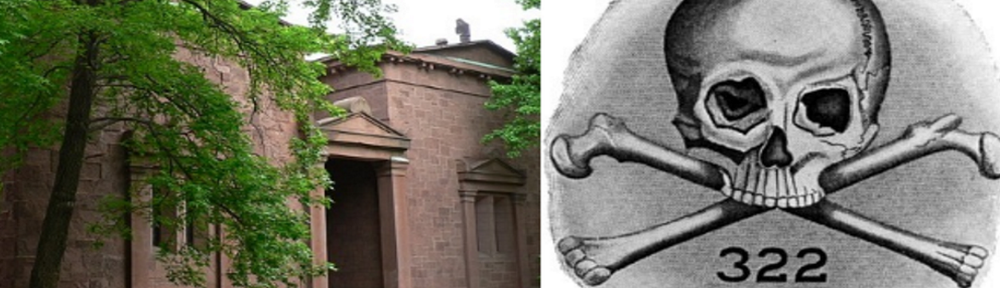
The Yale Tomb, also known as the Skull and Bones tomb, is a building located on the campus of Yale University in New Haven, Connecticut. It serves as the headquarters for the secretive Skull and Bones society, a prestigious and exclusive student organization.
There have been various rumors and conspiracy theories surrounding the Yale Tomb and its connection to death. Some believe that members of Skull and Bones engage in occult practices or rituals that may involve death or sacrifice. However, there is no concrete evidence to support these claims, and the society maintains a strict code of secrecy.
Overall, the Yale Tomb and the Skull and Bones society remain shrouded in mystery and speculation, with their true activities and significance known only to those who are members.
The Torah is the central text of Judaism, consisting of the first five books of the Hebrew Bible. It contains the laws, teachings, and history of the Jewish people. Tarot, on the other hand, is a form of divination that uses a deck of cards to gain insight into a person’s life, relationships, and future. The traditional tarot deck consists of 78 cards, each with its own imagery and symbolism. While the Torah and tarot are both important aspects of Jewish and spiritual practice, they are quite different in their purpose and usage. The Torah is a sacred text that guides Jewish beliefs and practices, while tarot is a tool for personal reflection and guidance. It is important to approach each with respect and understanding of their unique roles in spiritual life.
Rabbi’s Tarot is a unique deck of tarot cards that combines Jewish mysticism with traditional tarot symbolism. The deck features imagery and themes from Jewish folklore, Kabbalah, and the Torah. It offers a fresh perspective on the traditional tarot readings and can be a valuable tool for those looking to explore their spirituality through a Jewish lens.
The Marseilles Tarot is a traditional tarot deck that originated in Marseilles, France. It is one of the oldest and most widely used tarot decks in the world. The Marseilles Tarot deck consists of 78 cards, divided into the Major Arcana and Minor Arcana. The Major Arcana cards depict significant life events and spiritual lessons, while the Minor Arcana cards represent everyday situations and challenges. The Marseilles Tarot is known for its simple and straightforward imagery, making it a popular choice for both beginners and experienced tarot readers.
The Rider Waite Tarot deck is one of the most popular and widely used tarot decks in the world. It was created by artist Pamela Colman Smith and writer A.E. Waite in the early 20th century. The deck is known for its iconic imagery and symbolism, which is used to help users interpret the cards and gain insight into their lives and future. The Rider Waite Tarot deck consists of 78 cards, including the major and minor arcana, each with its own unique meaning and symbolism. It is often used for divination, meditation, and spiritual guidance.
The Book of Revelation Tarot is a unique tarot deck inspired by the symbolism and imagery found in the biblical book of Revelation. It features vibrant and detailed illustrations that capture the dramatic and apocalyptic themes of the book, including angels, beasts, and divine judgments. Each card in the deck represents a different aspect of the book of Revelation and can be used for divination, meditation, or spiritual reflection. This deck is not for the faint of heart, as it delves into themes of destruction, transformation, and the ultimate battle between good and evil. If you are drawn to the powerful and intense imagery of the Book of Revelation, this tarot deck may be a valuable tool for exploring your own spiritual path and seeking guidance from higher powers.