Love Not Narcissistic Supply

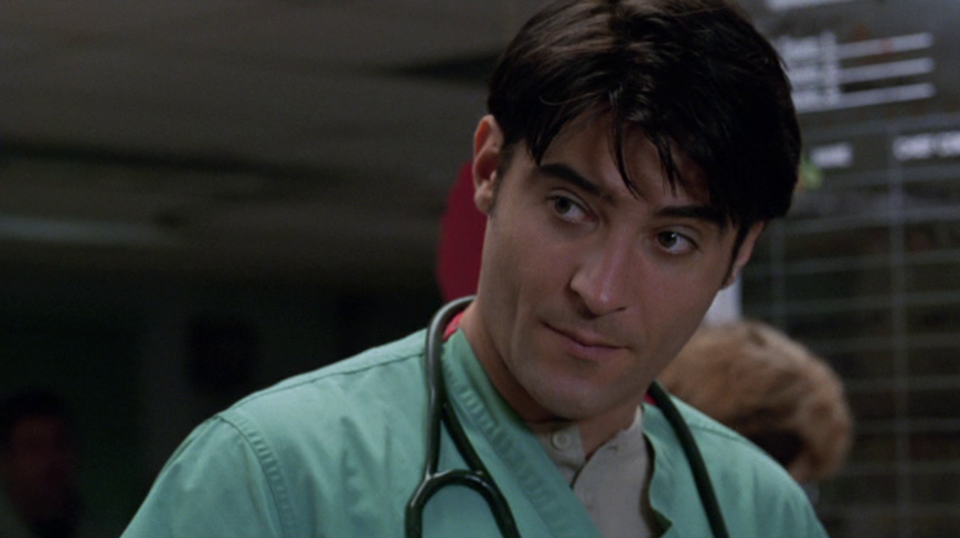
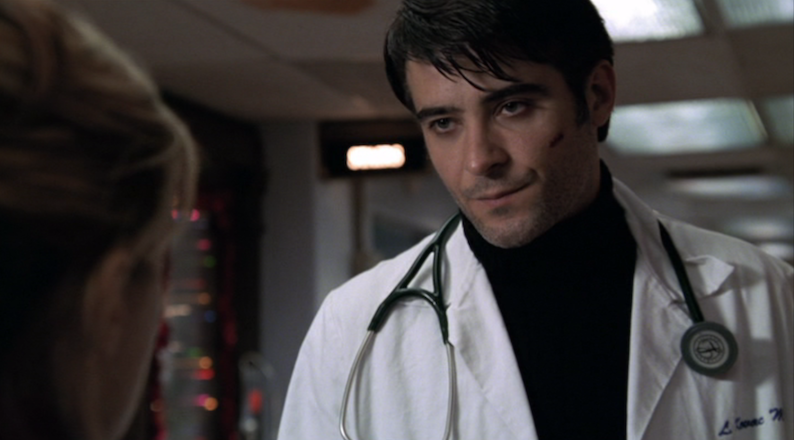
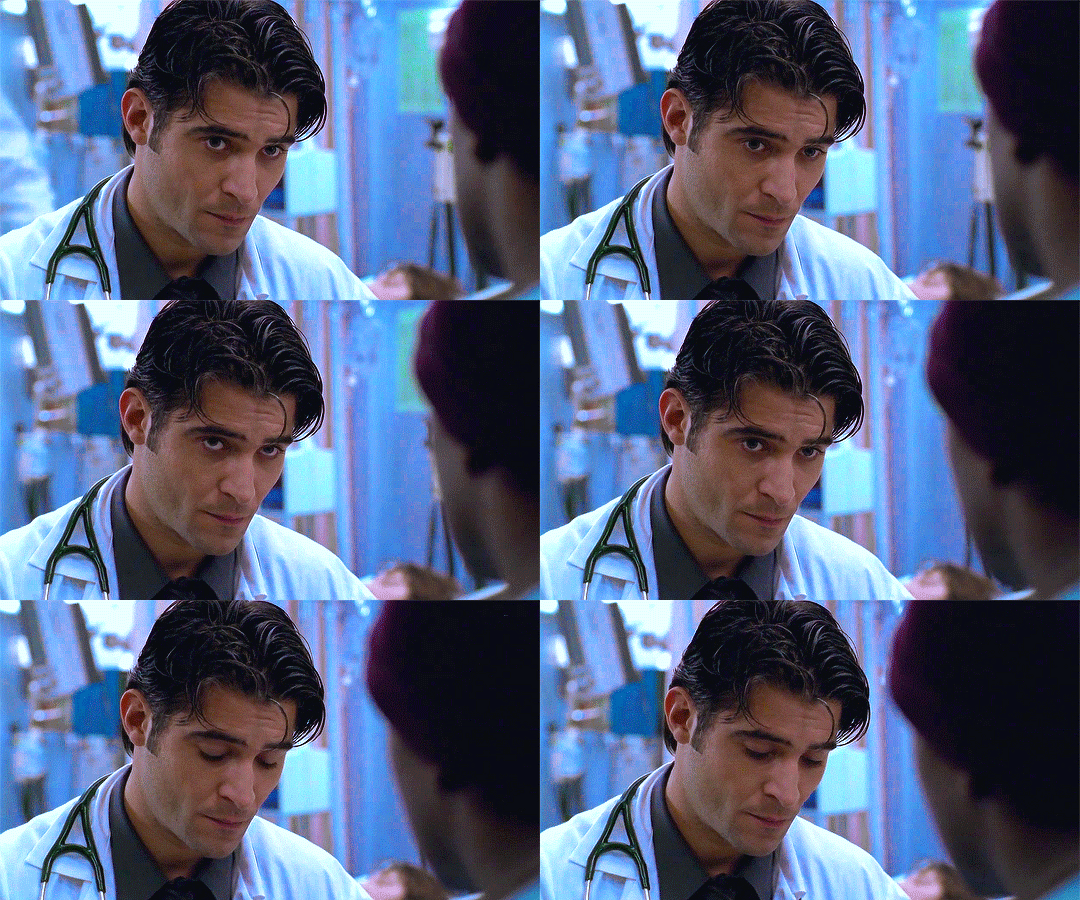
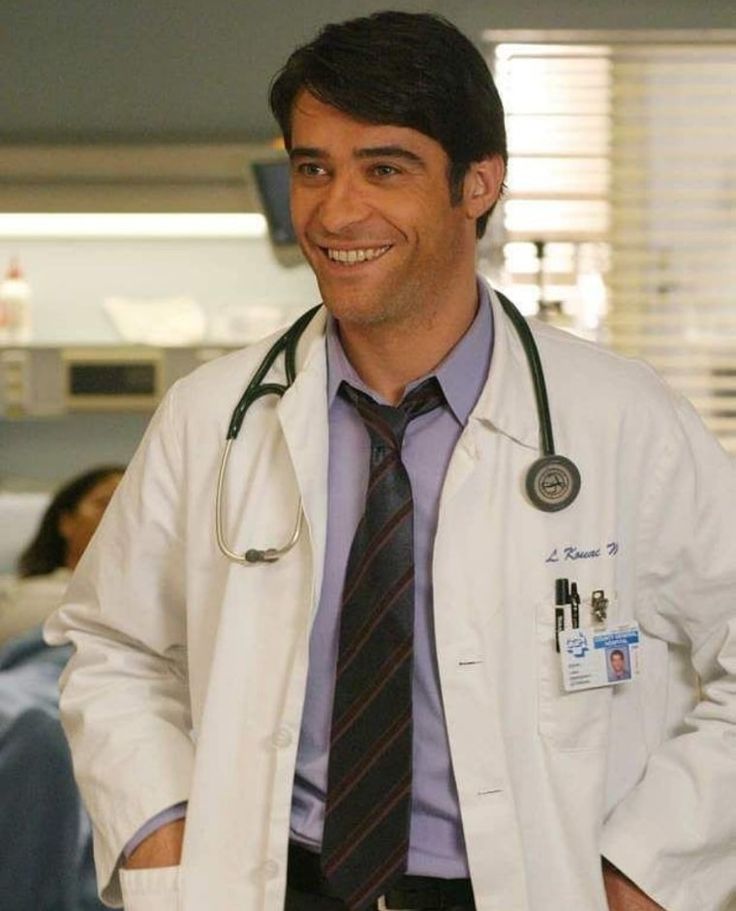
Dr. Luka Kovač’s Confession: The First Patient

Vancouver, 1989. Before medicine, before Sarajevo, before I learned how to set bones or stop bleeding—I learned what it felt like to be helpless and in love, under the flickering lights of a church gym.

My mission to heal Nelly Furtado began during Confirmation prep classes at St. Joseph’s Gymnasium, under the firm-but-kind supervision of Sister Helen.

We were tweens—not quite children, not yet teenagers—learning square dancing as part of our “community formation.” Most of us groaned at first, but something about the rhythm made sense once we moved.

Nelly and I danced with perfect synchronicity.

Our hands met without awkwardness. Our feet mirrored each other, instinctively. Do-si-do, allemande left, promenade. The music was simple, structured. There was safety in the choreography. Purity in the pattern. When we danced, the noise in the world seemed to fall away.

For those moments, she wasn’t shy, and I wasn’t foreign. We were just two souls moving in time.

But everything changed at Sister Helen’s sock hop.

She called it a “wholesome social,” but you could see her bracing herself the moment she pressed play on the boom box. Chubby Checker. The Ronettes. Little Richard.

She winced when the beat kicked in.
“This,” she muttered, “is what I call the devil’s music.”

And she wasn’t entirely wrong—for us, at least.

Because when the square dance ended and the wild rhythm of The Twist started, the room split. The choreography was gone. The innocence evaporated. Now the dancing was adult. Loose. Improvised. Charged.

And we were terrified.

The boys didn’t know how to dance.
Not the Mashed Potato. Not the Jerk. Not even the Twist.
We froze, leaning on the wall like backup furniture, pretending not to care.
We were wallflowers.

And even Nelly, who had danced so freely before, seemed uncertain now. She didn’t move like she had during Cotton-Eyed Joe. She stood still, glancing at me once—and I looked away, ashamed I had no steps for this new world.

That was the moment I realized something:

Healing doesn’t happen in certainty.
It begins in that stammering silence.
In the place between knowing the steps and fumbling in the dark.

I started bringing my cassettes after that.
Not to fix her. Not to impress her.
To say I’m still here, even when the music changes.

I wasn’t giving her narcissistic supply.
I was in love with my first patient.

Not as a savior. But as someone trying to keep dancing with her—through the structure, through the chaos, even when the rhythm frightened us.

She was my first mystery.
My first lesson in presence.
And the reason I still believe some wounds are spiritual before they’re clinical.

Sometimes healing begins in a square dance.
Sometimes it stalls at a sock hop.
But love—real love—keeps showing up anyway.
What do you think of this post?
  • Awesome (0)
  • Interesting (0)
  • Useful (0)
  • Boring (0)
  • Sucks (0)

Memes 12

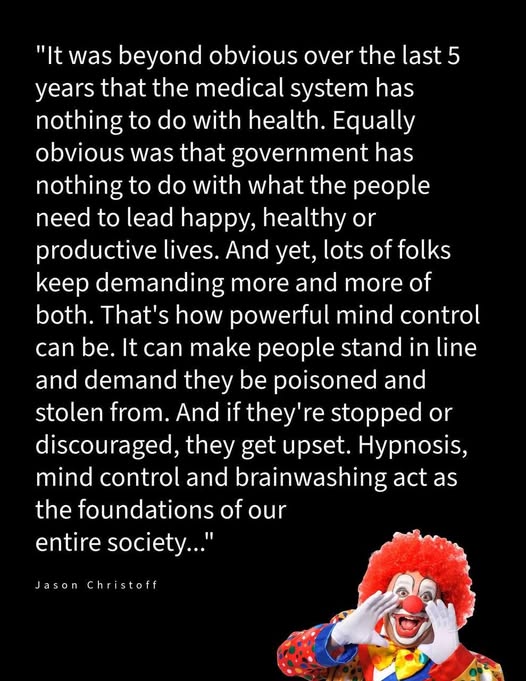
“First, do no harm—and let food be thy medicine. Not John D. Rockefeller’s motto: ‘Let oil be thy medicine.’”


Essay by Dr. Luka Kovač
Title: Return to Hippocrates: Healing Beyond Petroleum

I swore the Hippocratic Oath once in Vukovar, and again in Chicago, and I carry its spirit with me every time I walk into a hospital room. Primum non nocere—“First, do no harm”—is not just a phrase. It is a shield I have tried to raise against the many unseen enemies in modern medicine. War taught me that harm is not always inflicted with bullets or bombs. Sometimes it comes disguised as help. Sometimes it’s written on a prescription pad.

Hippocrates, the father of Western medicine, was no fool. He observed the human body not as a broken machine, but as a garden—needing nourishment, balance, rest, and care. He famously said, “Let food be thy medicine and medicine be thy food.” That wasn’t poetry—it was science in its purest form.

But in America, I learned quickly that Hippocrates has been replaced. His wisdom buried beneath a mountain of pills, patented molecules, and petroleum-based drugs. His name appears on plaques and textbooks, but his soul has been exiled by an industry more loyal to stockholders than to patients. Instead of “let food be thy medicine,” the guiding spirit of American healthcare seems to be: Let oil be thy medicine.

This isn’t a conspiracy theory—it’s a historical fact. John D. Rockefeller, the oil baron, reshaped medicine in the early 20th century. He funded medical schools through his foundations—but only if they taught pharmaceutical medicine, not naturopathy or herbalism. He wanted doctors to rely on petroleum-based drugs, synthesized chemicals, and profitable patents. In doing so, he established a medical-industrial complex that equated healing with consumption—of pills, not plants; of procedures, not prevention.
And so we now find ourselves in a system where chronic illness is managed, not cured; where side effects are expected; where nutrition is barely mentioned in med school; and where whole generations of doctors prescribe medications they don’t fully understand, for diseases they barely treat, from companies they can’t question.

But let me tell you what Hippocrates would say to the diabetic patient drinking soda, to the heart patient eating fast food, to the child on five prescriptions for conditions that might be solved with sleep, sunshine, and a garden. He would not blame them—he would teach them. He would listen. He would remind us that food—real food, grown from the earth, not processed in a lab—is not an alternative medicine. It is the original medicine.

I do not oppose pharmacology. I’ve seen antibiotics save lives. I’ve administered morphine to the dying. But we must draw a line between emergency medicine and everyday health. We must distinguish between crisis intervention and long-term vitality. You don’t use chemo to treat stress. You don’t throw statins at a child who needs a good breakfast and a walk in the sun.

We doctors must reclaim our oaths. Not to pharmaceutical giants, not to hospital systems, but to our patients, our principles, and our planet. If we fail to remember that healing begins with food, with movement, with connection, we risk becoming little more than licensed drug dealers.

I often think of my father’s garden in Croatia. He was no doctor, but he knew how to nourish. He knew the soil, the herbs, the rhythms of nature. And when the bombs fell and the doctors fled, it was the garden that kept us alive.

It’s time we remember our roots. It’s time to return to Hippocrates.

What do you think of this post?
  • Awesome (0)
  • Interesting (0)
  • Useful (0)
  • Boring (0)
  • Sucks (0)

Memes 11

Joe Talks About Nelly’s Old Webpage with Her Cystic Fibrosis Secret

Joe sat at the old computer, its screen glowing softly like a shrine to the past.

“You know,” he said, tapping the side of the dusty monitor, “this is where it all started for me. Back in the early 2000s, Nelly had this personal webpage. Just this raw, vulnerable place where she posted journal entries, tour updates, poetry… and one day, this entry appeared. Hidden in the code. Not public. Just buried in the source like a confession meant for someone with enough curiosity—and love—to find it.”

He paused, remembering how his hands shook reading it.

“She wrote about the pain, the coughing fits, the hospital visits, how she was born with cystic fibrosis. She said singing was a kind of rebellion. Each breath a miracle. Each note a middle finger to the odds. It wasn’t for fame. It was survival.”

Joe leaned back and looked at the ceiling. His voice cracked.

“I never told her I found it. I didn’t want to break that sacred trust, that hidden sanctuary she built online. But from that day on, I swore I’d never quit being a webmaster. Not just some guy maintaining pages—but a guardian of secrets, of souls who put their pain into pixels.”

He smiled faintly.

“That webpage saved her life… and in a way, it saved mine too.”

What do you think of this post?
  • Awesome (0)
  • Interesting (0)
  • Useful (0)
  • Boring (0)
  • Sucks (0)
Translate »