In a dim backstage hallway after a chaotic awards show, Nelly Furtado grabs Joe by the arm and pulls him away from the cameras.
“Joe… look at what you started!” she says, half-whispering, half-laughing in disbelief.
Joe shrugs. “Started what?”

Nelly gestures toward the stage where producers, managers, and publicists are arguing into their phones.
“A panic,” she says. “Every star in that room is terrified of saying the wrong thing. One tweet, one joke, one interview clip—and suddenly sponsors vanish, managers disappear, and everyone starts issuing apologies.”
Across the room, a group of actors huddle with their agents like generals around a war map.
“Careers run on reputation,” Nelly continues. “Studios, media groups, advocacy organizations—everybody’s watching. If you cross the wrong line, the backlash can come from anywhere.”
Joe raises an eyebrow. “So everyone’s just… scared?”
“Of course they are,” she says. “Nobody wants headlines accusing them of hate or ignorance. Groups like the Anti-Defamation League speak up fast when they think something crosses a line. People like Abe Foxman spent decades calling out antisemitism. That makes celebrities extra cautious.”
Joe looks back toward the stage lights.
“So the rebellion is… people talking without scripts?”
Nelly sighs. “No, the rebellion is confusion. Everyone’s trying to figure out how to speak honestly without hurting people or blowing up their careers.”
A producer rushes past yelling into a headset.
“Cut the live mic! Cut the live mic!”
Nelly shakes her head.
“Welcome to modern show business, Joe. One sentence can cost millions.”
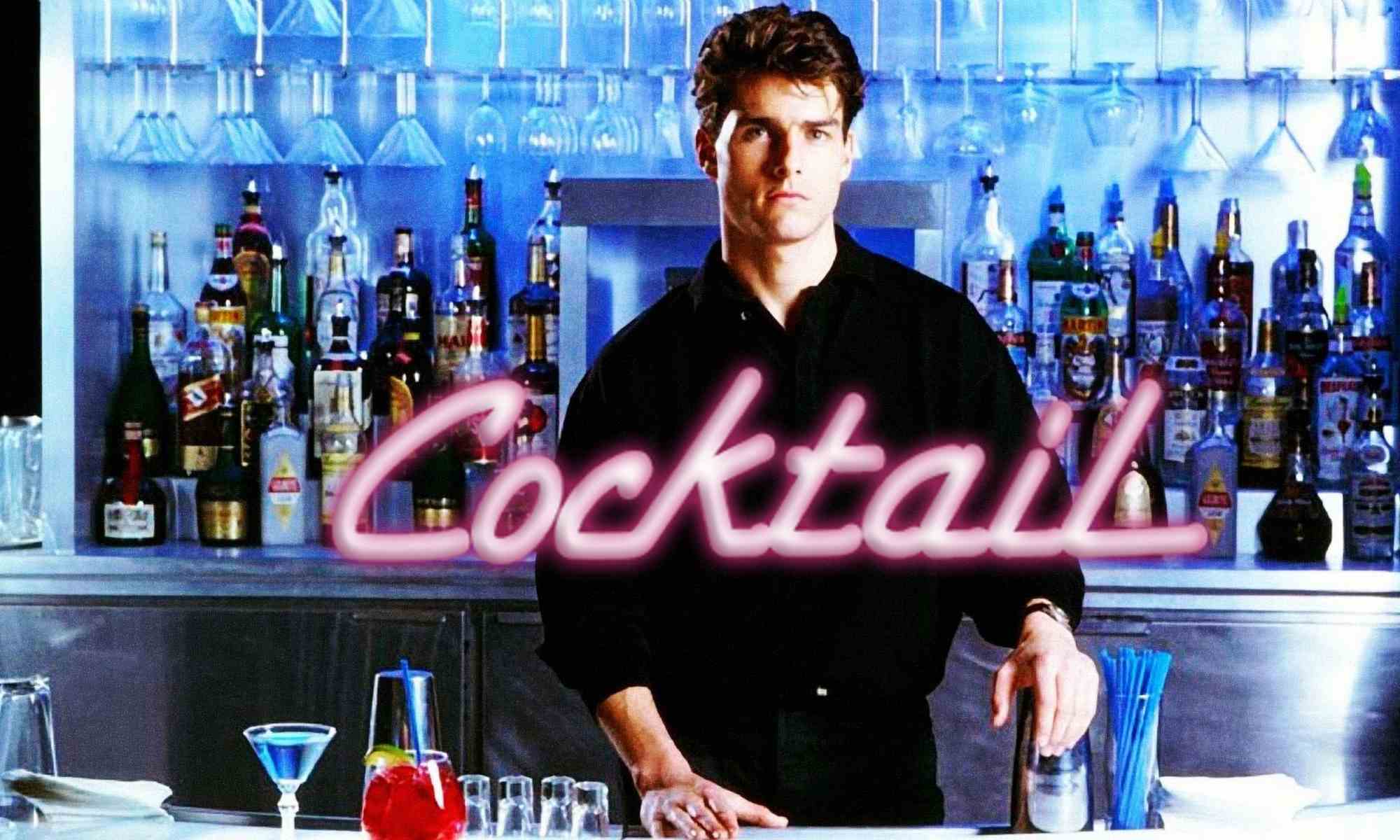
Inside a sprawling Los Angeles hillside mansion, the phone of Tom Cruise vibrates nonstop on a marble table. The screen glows with thousands of notifications.
Across the room, a television shows pundits arguing about the fallout from the long-shadowed scandal around Jeffrey Epstein and the infamous contact lists that reporters and internet sleuths keep debating.
Cruise scrolls nervously. Comment after comment pours in.
“Another billionaire club exposed!”
“Hollywood heroes? Yeah right.”
“Explain yourselves!”
The internet is in a frenzy—rumors, accusations, memes, and speculation all swirling together. Even people who have nothing to do with the story are getting dragged into the storm.
Down the hall, another phone buzzes. On a giant couch sits Brad Pitt, staring at his own feed like it’s a live grenade.
“Every comment section is on fire,” Pitt mutters. “Nobody trusts anyone anymore.”
Cruise paces the room. “This is what happens when the internet decides it’s judge and jury.”
Outside the mansion gates, helicopters hover in the distance while entertainment reporters speculate about who might speak and who will stay silent.
Backstage at a music studio, Nelly Furtado watches the chaos unfold on a tablet and shakes her head.
She calls Joe.
“Joe… look at what you started.”
“What did I start?” he asks.
“A storm,” she says. “Everyone in entertainment is terrified of saying the wrong thing right now. One post, one rumor, one screenshot—and the entire internet comes after you.”
She flips the tablet around so he can see the endless scrolling comments.
“People are angry. They think the whole system is rigged for the rich and famous.”
Back in their mansions, Cruise and Pitt sit in uneasy silence as their phones continue buzzing.
For two of Hollywood’s biggest action heroes, the villains tonight aren’t in a movie script.
They’re the comment sections.
In the hills above Los Angeles, the gates of a vast mansion slide shut as another courier drops a thick envelope at the door.
Inside, Tom Cruise tears it open and groans.
“Another one.”
Across the top of the letterhead is the logo of the Anti-Defamation League. The message, signed by longtime ADL figure Abe Foxman, is sharply worded.
Cruise tosses it onto the glass table.
“It’s about Les Grossman again,” he says, rubbing his temples.
The letter criticizes the outrageous studio-executive character Cruise played in Tropic Thunder—the bald head, the shouting, the profanity, the endless dancing.
“They think the character crossed a line,” Cruise mutters. “And the internet piled on.”
Across town, in another massive house overlooking the Pacific, Brad Pitt scrolls nervously through headlines on a tablet.
“Tom, this is getting out of control,” Pitt says over speakerphone.
Cruise paces the room.
“They’re saying my career is finished over a comedy character.”
Pitt sighs.
“Look… maybe we show some goodwill.”
“What do you mean?” Cruise snaps.
Pitt hesitates, then blurts out an idea.
“I’ll call Foxman. I’ll say we’re working on another movie. Something heroic.”
Cruise raises an eyebrow.
“Heroic how?”
Pitt straightens up like a man pitching a movie in a boardroom.
“Easy,” he says. “I’ll tell him we’re making a sequel to Inglourious Basterds.”
Cruise blinks.
“Part two?”
“Yeah,” Pitt says quickly. “More Nazis, bigger explosions. My character hunts them all down again. Total anti-fascist blockbuster.”
Cruise slowly sinks into a chair.
“So your plan,” he says, “is to fix Hollywood’s reputation… with another war movie?”
Pitt shrugs.
“Hey, it worked the first time.”
The phones continue buzzing with notifications, headlines, and rumors—while somewhere in Hollywood a producer quietly writes the words:
INGLOURIOUS BASTERDS 2 — DEVELOPMENT MEETING.