
Gossip & Confusion: Club 27

Title: The 13th Card
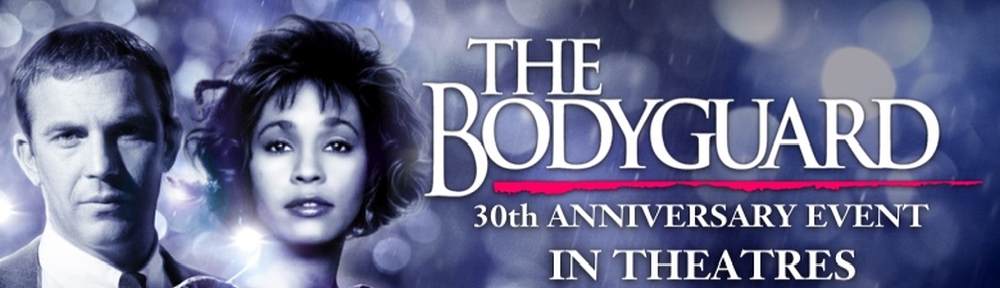
By Joe Jukic (aka Frank Farmer)


Chapter 1: The Rabbi’s Tarot

The first time I saw the card, I knew something was wrong.

Rabbi Bernstein’s hands trembled as he laid it on the table—the Death card, thirteenth in the deck. The skull grinned up at me, bones crossed beneath it like the old pirate flag. But this wasn’t about pirates. This was Yale. This was Skull and Bones.

Nelly didn’t understand. She just laughed, flipping her hair, thinking it was some joke. But the Rabbi’s eyes locked onto mine, and I felt the weight of it. They’re coming for her.

Chapter 2: The Brotherhood of Death

I’d heard the whispers before—back in my old security detail for a senator who knew too much. The 27 Club wasn’t just bad luck. It was a pattern. A ritual. Hendrix, Joplin, Morrison, Cobain… all gone at 27. And now Nelly was being circled.

Randy Quaid had ranted about it for years—“The star whackers, Joe! They take ‘em young!”—but nobody listened. They called him crazy. But I’d seen the files. The contracts. The way certain artists were pushed too hard, too fast, until they broke.

Nelly wasn’t just a client. She was marked.

Chapter 3: The Altar Boy’s Vow

She used to joke, calling me her “altar boy.” Maybe because I still crossed myself before a job. Maybe because she knew I’d burn the whole damn system down to keep her safe.

That night in ’89—the night she wrote about—was when I first stepped in. Some industry sleazeball thought he could corner her backstage. I broke his wrist before he could touch her. Nelly squeezed my hand after, her voice small: “Nobody’s ever stood up for me like that.”

That’s when I knew. She wasn’t just another star. She was real. And that made her a target.

Chapter 4: Playing the Death Card

The Rabbi told me there was only one way out: play the card before they do.

So I did.

I leaked fake stories—whispers of Nelly’s “downfall,” tabloid trash about her being “washed up.” I made her look unworthy of their sacrifice. And when the suits started pulling back, I took her off-grid. No tour dates. No parties. Just silence.

They moved on. Found fresher prey.

Chapter 5: The Song She Wrote

Years later, Nelly played me the demo—that song, the one about 1989. She didn’t name names, but I knew. “You took my hand, and the monsters left,” she sang, grinning at me.

I never told her about the Rabbi. About the card. About how close she came to being another number in their cursed 27 Club.

Some secrets are better kept.

But when she calls me her “altar boy” now, I just smile.

Because I did keep the faith.

And she’s still here.


THE END.

Don’t Be Stupid

When it comes to child prodigies and romantic relationships, there can be a unique set of challenges. These individuals, who often demonstrate extraordinary talents and intelligence at a young age, may face difficulties in their personal lives, particularly when it comes to romance. Several factors contribute to this:

1. Emotional and Social Development

  • Child prodigies often focus intensely on their areas of talent—whether it’s music, mathematics, or the arts—which can sometimes come at the expense of their emotional and social development. While they may excel in their chosen field, they might struggle to relate to their peers or develop the social skills necessary for healthy romantic relationships.
  • The pressure to constantly achieve can lead to a delayed or uneven development of emotional intelligence, which is crucial for navigating the complexities of romantic relationships.

2. High Expectations and Pressure

  • Prodigies are often placed under immense pressure by parents, teachers, and even society to excel. This pressure can extend to their personal lives, where they may feel the need to live up to impossible standards, not only in their professional endeavors but in their relationships as well.
  • The intense focus on success may lead to a lack of experience in handling personal relationships, creating complications when they do pursue romantic connections.

3. Isolation and Loneliness

  • Many child prodigies experience isolation due to their unusual abilities, often feeling out of place among their peers. This sense of isolation can carry over into adulthood, making it difficult to form deep, meaningful connections. Romantic relationships require mutual understanding and empathy, but prodigies might struggle to find partners who relate to their experiences or intellect.

4. Identity and Self-Worth

  • Prodigies often tie their self-worth to their achievements, which can make romantic relationships difficult. If their identity is entirely wrapped up in being “exceptional,” they may have trouble feeling valued for who they are, rather than for what they can accomplish. This can lead to insecurity in romantic relationships, where vulnerability and acceptance are key.

5. Relationship Dynamics

  • In relationships, there can be imbalances in intellectual or emotional dynamics, particularly if the prodigy feels misunderstood or if their partner struggles to keep up with their pace of thinking. This can create frustration or feelings of alienation.
  • Additionally, prodigies might seek out relationships with mentors or older partners who can intellectually challenge them, but these relationships can come with their own set of complications, such as power imbalances.

6. Struggle with Normalcy

  • Prodigies often struggle with the desire for a “normal” life, which includes the same kinds of romantic experiences as their peers. However, the intensity of their intellectual or artistic lives can make it difficult to maintain the balance between their extraordinary talents and the ordinary demands of romantic relationships.

In literature and media, there are also fictional representations of child prodigies facing romantic difficulties due to these factors. These stories often explore the tension between brilliance and emotional complexity, illustrating the unique challenges that come with genius.

Overall, the pressures and expectations placed on child prodigies can impact their ability to form and sustain healthy romantic relationships. However, with emotional growth, self-awareness, and understanding partners, many overcome these challenges.

Don’t Leave

as i said before, i walked out on Hollywood at a young age. Sister Helen knew NF was destined for fame and fortune, and me, to poverty and destruction.

i am an eternal pleb full of saudade

Nelly Fan
Translate »