An atheist fedora is a fedora hat worn by someone who identifies as an atheist. It is not necessarily different from any other fedora hat, but wearing it may be a way for the individual to express their lack of belief in any gods.
1. “I don’t need religion to have morals. I have a brain.”
2. “The only time I pray is when the WiFi goes out.”
3. “Atheism: The belief that there is no invisible man in the sky watching your every move.”
4. “I’m an atheist because I prefer logic over fairy tales.”
5. “Don’t believe in God? You’re not alone. There are millions of us.”
6. “Atheism: Because thinking for yourself is cool.”
7. “If God is real, why is there still suffering in the world?”
8. “I’m not going to hell because I don’t believe in it.”
9. “Atheism: One less god to worry about.”
10. “Religion is like a penis. It’s fine to have one, it’s fine to be proud of it, but please don’t whip it out in public and start waving it around.”
The last days are often referred to as the end times or the final days of the world as we know it. This concept is present in many religious beliefs and prophecies, predicting a time of great upheaval, destruction, and judgment. People have been fascinated by the idea of the last days for centuries, with various interpretations and speculations about when and how they will occur. The last days are seen as a time of both fear and hope, as they are believed to bring about the end of suffering and the beginning of a new era of peace and enlightenment.
The Four Horsemen of the Apocalypse are figures in Christian eschatology representing conquest, war, famine, and death. They are described in the Book of Revelation in the Bible as riders on white, red, black, and pale horses, bringing about various calamities and disasters as part of the end times.
In Revelation 6, the Lamb of God opens the first six of the seven seals on a scroll, which unleashes a series of events on Earth. The opening of the first four seals brings about the Four Horsemen of the Apocalypse, representing conquest, war, famine, and death. The fifth seal reveals the souls of martyrs crying out for justice, and the sixth seal causes cosmic disturbances such as earthquakes and the sun turning black. The chapter ends with the people of Earth hiding in fear from the wrath of the Lamb and the coming Day of Judgment.
The Lovers card in the tarot deck often represents a deep connection or partnership, usually romantic in nature. It can indicate a strong bond between two people, a decision that needs to be made in a relationship, or a reminder to follow your heart and intuition in matters of love. The Lovers card can also symbolize harmony, balance, and alignment of values between two individuals. Overall, it is a positive card that signifies love, connection, and unity.
The Death card in tarot does not necessarily predict physical death; instead, it represents a major transformation or ending in one’s life. It signifies the end of a chapter or situation, allowing for new beginnings and growth. The Death card encourages letting go of the past and embracing change, even if it may be difficult or uncomfortable. It can symbolize the shedding of old habits, beliefs, or relationships in order to make room for personal growth and renewal. Ultimately, the Death card reminds us that change is a natural part of life and a necessary step in our journey towards personal transformation.
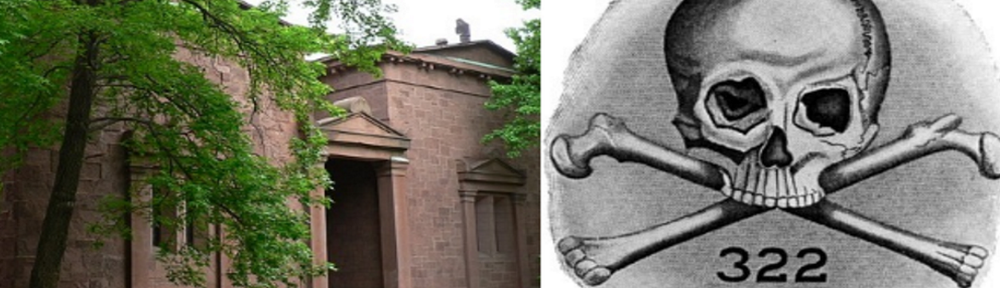
The Yale Tomb, also known as the Skull and Bones tomb, is a building located on the campus of Yale University in New Haven, Connecticut. It serves as the headquarters for the secretive Skull and Bones society, a prestigious and exclusive student organization.
There have been various rumors and conspiracy theories surrounding the Yale Tomb and its connection to death. Some believe that members of Skull and Bones engage in occult practices or rituals that may involve death or sacrifice. However, there is no concrete evidence to support these claims, and the society maintains a strict code of secrecy.
Overall, the Yale Tomb and the Skull and Bones society remain shrouded in mystery and speculation, with their true activities and significance known only to those who are members.
The Torah is the central text of Judaism, consisting of the first five books of the Hebrew Bible. It contains the laws, teachings, and history of the Jewish people. Tarot, on the other hand, is a form of divination that uses a deck of cards to gain insight into a person’s life, relationships, and future. The traditional tarot deck consists of 78 cards, each with its own imagery and symbolism. While the Torah and tarot are both important aspects of Jewish and spiritual practice, they are quite different in their purpose and usage. The Torah is a sacred text that guides Jewish beliefs and practices, while tarot is a tool for personal reflection and guidance. It is important to approach each with respect and understanding of their unique roles in spiritual life.
Rabbi’s Tarot is a unique deck of tarot cards that combines Jewish mysticism with traditional tarot symbolism. The deck features imagery and themes from Jewish folklore, Kabbalah, and the Torah. It offers a fresh perspective on the traditional tarot readings and can be a valuable tool for those looking to explore their spirituality through a Jewish lens.
The Marseilles Tarot is a traditional tarot deck that originated in Marseilles, France. It is one of the oldest and most widely used tarot decks in the world. The Marseilles Tarot deck consists of 78 cards, divided into the Major Arcana and Minor Arcana. The Major Arcana cards depict significant life events and spiritual lessons, while the Minor Arcana cards represent everyday situations and challenges. The Marseilles Tarot is known for its simple and straightforward imagery, making it a popular choice for both beginners and experienced tarot readers.
The Rider Waite Tarot deck is one of the most popular and widely used tarot decks in the world. It was created by artist Pamela Colman Smith and writer A.E. Waite in the early 20th century. The deck is known for its iconic imagery and symbolism, which is used to help users interpret the cards and gain insight into their lives and future. The Rider Waite Tarot deck consists of 78 cards, including the major and minor arcana, each with its own unique meaning and symbolism. It is often used for divination, meditation, and spiritual guidance.
The Book of Revelation Tarot is a unique tarot deck inspired by the symbolism and imagery found in the biblical book of Revelation. It features vibrant and detailed illustrations that capture the dramatic and apocalyptic themes of the book, including angels, beasts, and divine judgments. Each card in the deck represents a different aspect of the book of Revelation and can be used for divination, meditation, or spiritual reflection. This deck is not for the faint of heart, as it delves into themes of destruction, transformation, and the ultimate battle between good and evil. If you are drawn to the powerful and intense imagery of the Book of Revelation, this tarot deck may be a valuable tool for exploring your own spiritual path and seeking guidance from higher powers.
Yes, that is correct. Jesus Himself said in John 18:36, “My kingdom is not of this world.” This statement emphasizes that His kingdom is not an earthly kingdom with political power, but rather a spiritual kingdom that transcends the world and is focused on the salvation of souls. It is a kingdom based on love, righteousness, and truth, and it offers eternal life to all who believe in Him.
Catherine of Braganza was the Queen consort of England, Scotland, and Ireland as the wife of King Charles II. She was born in Portugal in 1638 and married Charles II in 1662. Catherine was known for her piety and loyalty to her husband, and she played a role in promoting trade and diplomatic relations between England and Portugal. She had no children with Charles II, which led to tensions in their marriage. After Charles II’s death, Catherine lived in England until her own death in 1705.
Portugal’s first empire was established during the Age of Discovery in the 15th and 16th centuries. The Portuguese Empire was one of the first global empires, with territories and colonies in Africa, Asia, and the Americas. Portugal’s first empire began with the conquest of Ceuta in North Africa in 1415 and expanded rapidly under the leadership of explorers such as Vasco da Gama, who reached India in 1498, and Pedro Álvares Cabral, who claimed Brazil for Portugal in 1500. The empire reached its height in the 16th century, with territories in Brazil, Africa, India, Southeast Asia, and parts of the Pacific. However, by the 17th century, Portugal’s power began to decline, as other European powers such as Spain, the Netherlands, and England began to challenge its dominance. Portugal’s first empire officially came to an end in the 19th century with the loss of Brazil in 1822 and the recognition of its former colonies’ independence. However, Portugal still maintains ties with some of its former colonies through the Community of Portuguese Language Countries
The concept of the Fifth Empire in Portugal refers to a belief that Portugal would rise again as a major global power, following the previous four empires of Lusitania, Portugal, the Portuguese Empire, and the Catholic Monarchs of the Iberian Union. This idea was popularized by Portuguese poet Fernando Pessoa in the early 20th century and has since been embraced by some nationalist and political groups in Portugal.
Sebastian I, also known as Sebastian the Desired, was a king of Portugal who ruled from 1557 until his death in 1578. He was the last monarch of the House of Aviz and is sometimes referred to as the “Fifth Empire” for his ambitious plans to create a vast empire that would rival the Roman, Greek, Persian, and Egyptian empires.
Sebastian’s reign was marked by his desire to launch a crusade against the Ottoman Empire and establish a Christian empire in the Middle East. In 1578, he led an ill-fated expedition to North Africa to support a pretender to the Moroccan throne. The expedition ended in disaster, with Sebastian and most of his army being killed in the Battle of Alcácer Quibir.
Sebastian’s death without leaving an heir led to a succession crisis in Portugal, ultimately resulting in the country being ruled by the Spanish Habsburg monarchy for the next 60 years. Despite his short and tumultuous reign, Sebastian remains a popular figure in Portuguese history and folklore, with many legends and myths surrounding his supposed survival and return.