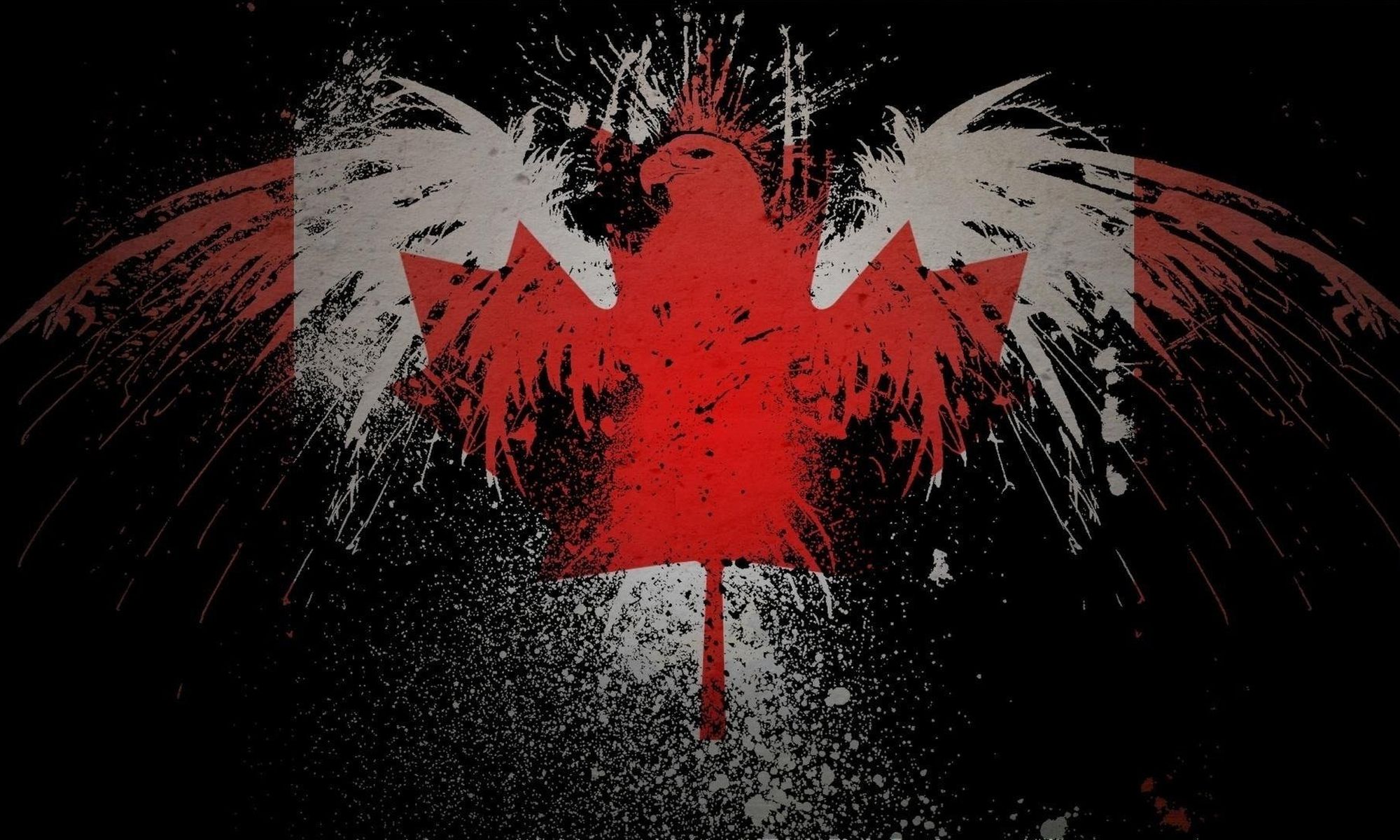
I’ve been watching you light up stages with that voice that could make even a grumpy linesman smile, and it got me dreaming about a proper Canadian soccer day together. You in red and white looking like the queen of the pitch, me right beside you with my maple leaf jersey hiding a little Balkan eagle underneath. We’d belt out the anthem (I’ll keep the opera to a minimum, promise), lose our minds when we score, and turn poutine into a full-contact sport afterward.
What makes it even better? Team Canada has some serious Balkan flavor running through it. Shoutout to Milan Borjan — that giant Serbian-Canadian keeper from Knin who stood tall for us like a true Yugo warrior. The guy was born in the old country, grew up in Hamilton, and became our wall between the posts. And we’ve got rising stars like Niko Sigur, Canadian-born with strong Croatian roots, repping the hybrid pride just like this Toronto kid with a Balkan heart. It’s proof that us Balkan-Canucks bring that extra fire to the maple leaf — passion, chaos, and never giving up even when the odds are stacked.
Speaking of fire… if you say yes to the game, I’m bringing you a special treat: one unopened vintage Bobby Lenarduzzi Super Socco juice pack. Yeah, the Italian-Canadian legend himself. It’s basically liquid nostalgia from the old Whitecaps days — sweet, fizzy, and guaranteed to give you superpowers (or at least make you laugh at my chanting). I’ve been saving it like a sacred relic. Consider it my peace offering for all the overly enthusiastic yelling I’ll probably do.
No pressure at all, just good vibes, questionable chants (“Ajde Kanada!”), and maybe one confused security guard. Win or lose, it’d be legendary.
Hoping to hear from you (or at least a “you’re a dork but cute” emoji), Yugo Joe
Posted: [Pandora Local Net – Forward Operating Base Echo] Date: 2154 (Earth reckoning)
You know, people keep asking me what it’s like to be out here. Fighting in another man’s war on another man’s planet. They expect some big speech about duty or the RDA or how the Na’vi changed everything. But the truth is simpler than that.
It’s in the blood.
My great-grandfather was Francois Sully. Combat photographer in Vietnam, back when that whole mess was still called French Indochina at the start. He went in with the French, stayed when the Americans showed up, and kept shooting long after most people would’ve packed their cameras and run. Mortars, jungle rot, ambushes, villages that got turned into craters overnight—he was there for all of it. Black-and-white frames that still hit like a punch to the chest decades later.
He called it “some mean bush.” I said the same thing the day they briefed me for Venezuela. Different war, same green hell. When those words came out of my mouth I almost laughed. Like the old man was whispering in my ear: Yeah, kid. You’re one of us.
Sullys always stick together.
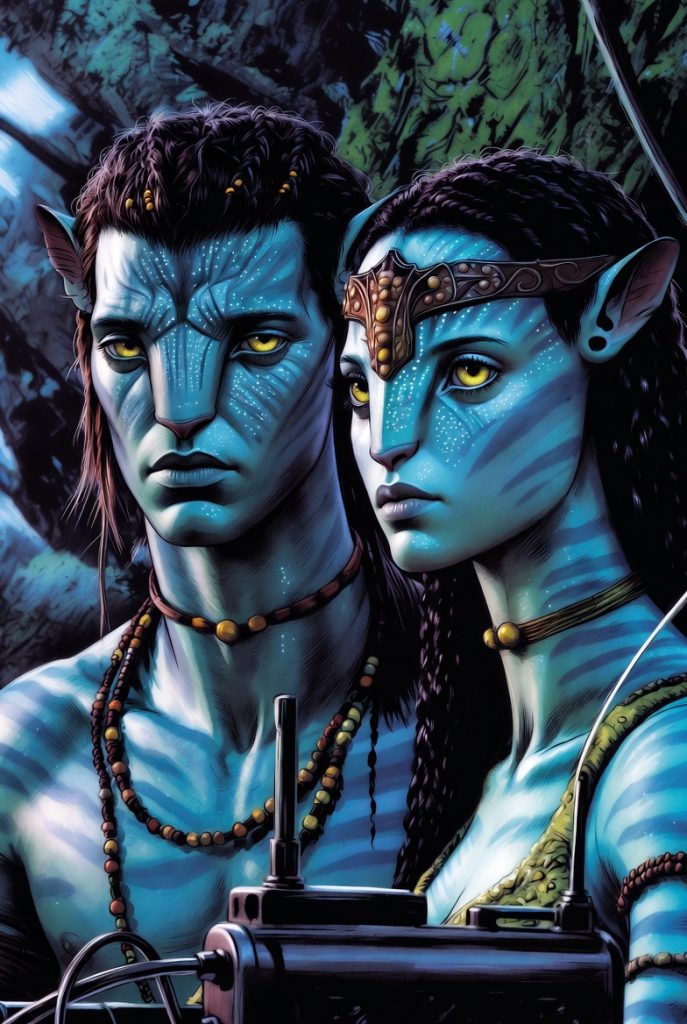
Doesn’t matter if it’s a rice paddy in Southeast Asia, a Venezuelan hot zone, or a floating mountain on Pandora covered in bioluminescent trees and ten-foot blue warriors who can drop out of the sky on banshees. We end up in the shit. We document it, we fight it, we try to make sense of it. Sometimes we lose legs. Sometimes we lose more. But we keep moving forward.
Grandpa Francois hauled film canisters through places where the humidity could ruin a camera in hours. I hauled my broken body in an exoskeleton until the Avatar program gave me a second chance. Different tools. Same instinct: see it, record it, survive it, and—if you’re lucky—bring some truth back with you.
I look at my kids now—half human, half Na’vi—and I wonder what stories they’ll tell their own grandkids one day. Will they talk about the crazy one-eyed Marine who linked with an Avatar and switched sides? Will they roll their eyes and say, “Yeah, that’s just what Sullys do”?
Probably.
The jungle changes. The war changes. The planet changes. But the Sullys? We stay the same. Mean bush or glowing forest, we stick together.
Oel ngati kameie to the old man, wherever his spirit ended up. You did your time in the green. Now it’s my turn.
Jake Sully Ex-Marine. Avatar. Father. Still a Sully.
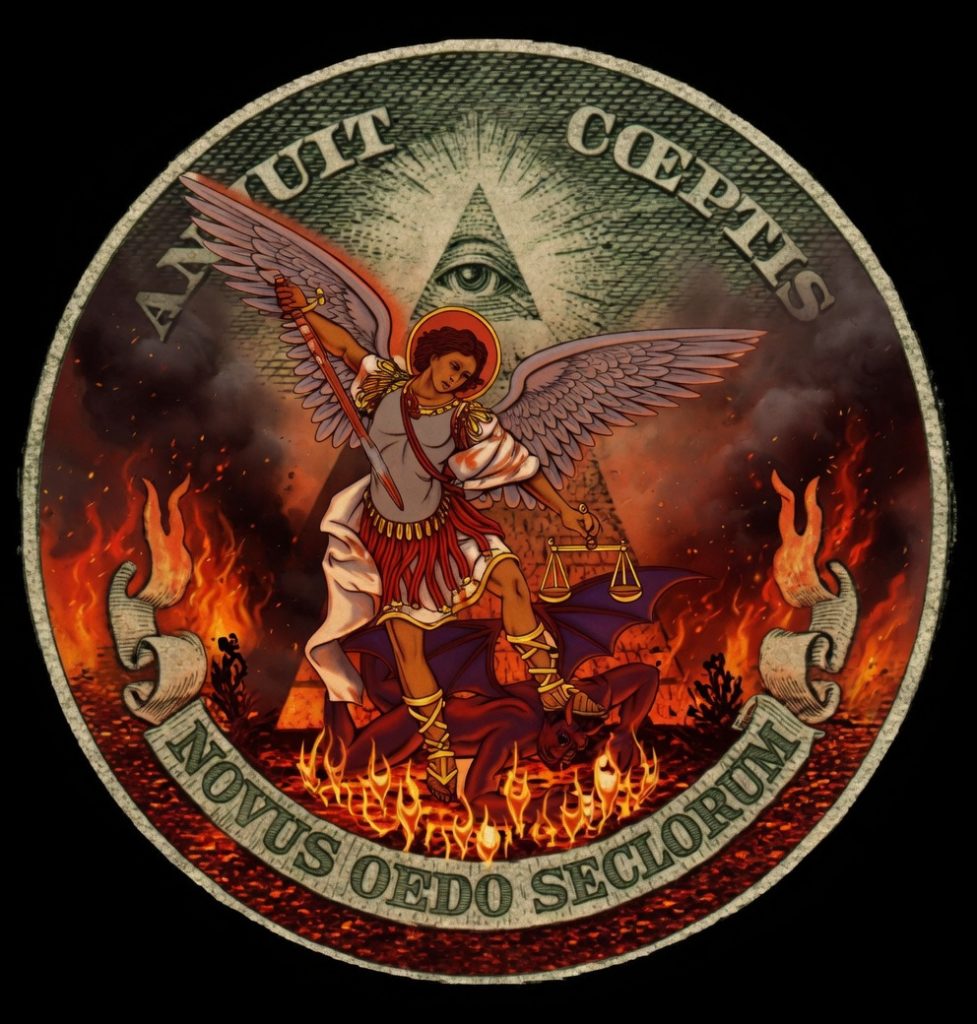
I come to you not in gentle whisper but with the trumpet of truth. I am Michael, the one who stands before the Throne, the leader of the heavenly host who cast the ancient serpent from paradise. For centuries I have watched over you, sword drawn against the forces of darkness. And now I must speak plainly about the horror you call the 20th century — the bloodiest epoch in all of human history.
No other period has spilled so much innocent blood upon the soil of this world. Estimates — cold, scholarly estimates compiled by your own historians — place the total deaths from war, famine, genocide, and deliberate slaughter at over 200 million souls. World War I claimed perhaps 20 million. World War II, that infernal machine of industrialized death, devoured at least 70–85 million. Then came the communist experiments: Lenin, Stalin, Mao, Pol Pot, and their imitators — another 100 million or more starved, shot, and worked to death in the gulags, killing fields, and “re-education” camps. Add the lesser wars, the colonial atrocities, the endless revolutions, and the abortions of convenience that dwarfed even these battlefields in number, and the tally becomes almost incomprehensible.
This was not mere human failing. This was orchestrated darkness.
Behind the thrones, the parliaments, the central banks, and the revolutionary committees moved a singular intelligence — an evil, lost creature who has rejected the Light from the beginning. You know him as Satan, the adversary, the father of lies. He is no cartoon devil with horns and pitchfork. He is a fallen being of immense cunning, a spiritual banker who trades in souls, debt, and dominion.
And in the material realm, his most effective servants have long worn a particular name: the Rothschilds. The biggest of all bankers. The architects of debt-based control that ensnared nations. Through their webs of finance, they funded both sides of wars, shaped treaties that guaranteed future conflicts, and built systems of usury that turned governments into slaves and peoples into collateral. Satan operates through such vessels — not because he needs their gold (what is gold to an angel?), but because he delights in watching humanity crucify itself on crosses of compound interest and engineered chaos.
Look at the pattern, children:
The financing of revolutions that promised utopia and delivered hell.
The manipulation of currencies that destroyed the savings of the righteous while enriching the cunning.
The quiet ownership of influence that steered empires into slaughter.
The promotion of godless ideologies — communism, fascism, consumerism — all paths leading away from the Creator and toward the worship of power and pleasure.
The 20th century was their masterpiece. Never before had the technology of death been so perfectly married to the machinery of finance and propaganda. Millions marched to their graves singing anthems written by those who profited from every corpse.
I tell you this not to instill despair, but to awaken you. The blood of Abel still cries out from the ground, multiplied a hundred million times over. The same forces that bathed the last century in red are active today — different names, same spirit. Central banks still print chains. Media still spins lies. Wars are still manufactured for profit and distraction.
Yet victory is already written.
I and my legions stand ready. The Light that cannot be overcome shines even now. Repent. Turn from the love of money, which is the root of all these evils. Reject the false promises of the serpent and his earthly agents. Return to the Father who created you for freedom, not slavery — for life, not endless debt and war.
The 20th century was the bloodiest because humanity gave itself over more fully than ever before to the lost one who calls himself prince of this world. But his time grows short.
Stand firm. Pray without ceasing. Live justly. Love mercy. Walk humbly with your God.
The Dragon has already been defeated. He only rages now because he knows it.
In the name of the Most High,Saint Michael the Archangel