
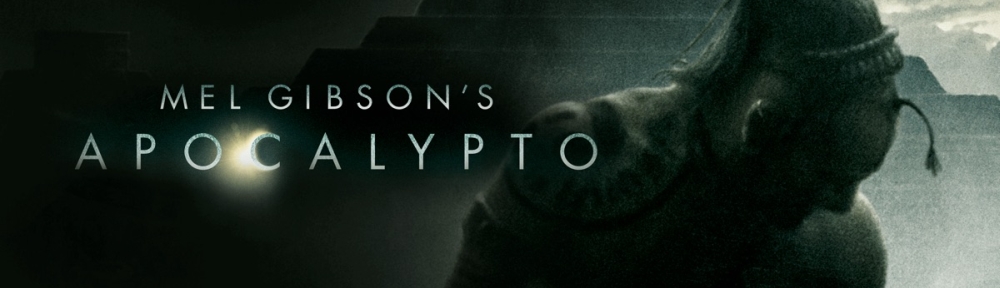
Apocalypto: New Beginning

“Apocalypto” is a 2006 film directed by Mel Gibson. The film is set during the declining period of the Mayan civilization and follows the journey of a young man named Jaguar Paw, who is captured by raiders and faces a harrowing struggle to escape and return to his family.

The film is notable for its use of the Yucatec Maya language and its intense portrayal of the Mayan culture and the impact of European colonization. While it received praise for its cinematography and direction, it also sparked controversy and discussion regarding its historical accuracy and portrayal of indigenous peoples.

White Wedding” is a song by Billy Idol, released in 1982 as part of his self-titled debut album. It is one of his most iconic songs and a staple of 1980s rock music. The song features a driving guitar riff and Idol’s distinctive vocal style.

The music video for “White Wedding” is notable for its dark, gothic visuals and was heavily played on MTV, contributing to the song’s popularity. Despite its upbeat tempo, the lyrics convey a more cynical view of marriage, with lines like “It’s a nice day for a white wedding” juxtaposing traditional wedding imagery with a sense of rebellion and irony.

Revelation 19 is a chapter in the Book of Revelation, the last book of the New Testament in the Bible. This chapter describes several significant events, including the rejoicing in heaven over the fall of Babylon, the marriage supper of the Lamb, and the second coming of Christ.

Here’s a summary of the key points in Revelation 19:

  1. Rejoicing in Heaven (Revelation 19:1-10):
    • Verses 1-5: A great multitude in heaven praises God for the judgment of the great prostitute (symbolizing Babylon or the corrupt world system). They proclaim God’s righteousness and justice in condemning her.
    • Verses 6-10: The scene shifts to the marriage supper of the Lamb. The Lamb (Christ) is united with His bride (the Church). The angel instructs John to write, “Blessed are those who are invited to the marriage supper of the Lamb!” and John is reminded to worship God alone.
  2. The Rider on the White Horse (Revelation 19:11-21):
    • Verses 11-16: John sees heaven opened and a white horse. The rider, called Faithful and True, is Jesus Christ. He comes to judge and wage war in righteousness. He is described with eyes like a flame of fire, many crowns, and a robe dipped in blood. His name is the Word of God, and He is followed by the armies of heaven.
    • Verses 17-21: An angel invites all the birds to gather for the great supper of God, where they will feast on the flesh of kings, captains, mighty men, horses, and their riders. The beast (the Antichrist) and the kings of the earth gather to make war against Christ and His army. The beast and the false prophet are captured and thrown alive into the lake of fire. The rest are killed by the sword that comes from Christ’s mouth, and the birds gorge themselves on their flesh.

This chapter is a powerful depiction of the ultimate triumph of Christ over evil and the final establishment of His kingdom. It emphasizes themes of divine justice, the fulfillment of God’s promises, and the ultimate victory of good over evil.

What do you think of this post?
  • Awesome (0)
  • Interesting (0)
  • Useful (0)
  • Boring (0)
  • Sucks (0)

Si vis pacem, para bellum

The phrase “If you want peace, prepare for war” translates from the Latin “Si vis pacem, para bellum.” It implies that being strong and ready for conflict is a way to deter potential aggressors and thus maintain peace. This philosophy suggests that the best way to ensure peace is through strength and preparedness, as potential adversaries are less likely to attack if they perceive a strong and capable defense.

What do you think of this post?
  • Awesome (0)
  • Interesting (0)
  • Useful (0)
  • Boring (0)
  • Sucks (0)

Star Trek on Racism

“Star Trek” is a science fiction franchise that has been known for its progressive approach to social issues, including racism. The various series and films within the “Star Trek” universe have addressed racism and other forms of prejudice in numerous ways, often using the futuristic setting to reflect on contemporary societal issues. Here are some notable examples and aspects of how “Star Trek” deals with racism:

Original Series (TOS):

  1. “Let That Be Your Last Battlefield” (Season 3, Episode 15):

    • This episode features two characters, Bele and Lokai, from a planet where people are divided by their skin color. One side of their face is black and the other white, but reversed for each character. Their mutual hatred and conflict highlight the absurdity and destructiveness of racism.
  2. Uhura’s Role:

    • Lieutenant Uhura, played by Nichelle Nichols, was one of the first Black women in a prominent, non-stereotypical role on American television. Her presence on the bridge of the Enterprise was groundbreaking and served as an inspiration for many, including Dr. Martin Luther King Jr.

The Next Generation (TNG):

  1. “The Drumhead” (Season 4, Episode 21):

    • This episode deals with the theme of witch hunts and paranoia, reflecting how suspicion and prejudice can escalate into racism and discrimination. Admiral Satie’s investigation into alleged sabotage turns into a baseless, racially motivated witch hunt.
  2. Worf’s Storyline:

    • Worf, the first Klingon officer in Starfleet, often faces prejudice and struggles with his dual identity as both a Klingon and a Starfleet officer. His character explores themes of racial identity, acceptance, and the challenge of bridging two cultures.

Deep Space Nine (DS9):

  1. “Far Beyond the Stars” (Season 6, Episode 13):

    • Captain Sisko experiences visions of being a Black science fiction writer in the 1950s, dealing with overt racism and discrimination. This episode poignantly addresses systemic racism and the struggles of Black writers in that era.
  2. The Bajoran/Cardassian Conflict:

    • The series explores themes of occupation, resistance, and reconciliation through the lens of the Bajoran and Cardassian conflict, often drawing parallels to real-world issues of colonialism, apartheid, and ethnic cleansing.

Voyager:

  1. “Faces” (Season 1, Episode 14):

    • B’Elanna Torres, who is half-human, half-Klingon, is physically split into two individuals representing each part of her heritage. This episode deals with internalized racism and self-acceptance.
  2. The Maquis:

    • The inclusion of Maquis members on Voyager addresses themes of rebellion and the struggle against oppression, touching on issues of political and racial conflict.

Enterprise:

  1. “Demons”/”Terra Prime” (Season 4, Episodes 20 and 21):
    • These episodes address xenophobia and racism through the actions of the Terra Prime movement, which seeks to rid Earth of all alien influence. The storyline serves as an allegory for contemporary issues of immigration and racial purity.

Star Trek: Discovery:

  1. Diverse Cast and Characters:
    • “Star Trek: Discovery” features a highly diverse cast, with prominent roles for women, people of color, and LGBTQ+ characters. The show continues to address themes of diversity, inclusion, and combating prejudice.

Overall Impact:

  • “Star Trek” has consistently used its platform to challenge racism and promote a vision of a more inclusive and egalitarian future. By depicting a future where diverse races and species work together in harmony, “Star Trek” inspires viewers to reflect on and strive for progress in their own world.

Nelly Furtado, the Canadian singer-songwriter, has addressed issues related to racism and social justice in various contexts throughout her career. While she is known primarily for her music, she has also used her platform to speak out on important social issues. Here are some points related to Nelly Furtado and her stance on racism:

Advocacy and Public Statements:

  1. Support for Black Lives Matter:
    • Nelly Furtado has expressed support for the Black Lives Matter movement, showing solidarity with the fight against systemic racism and police brutality. She has used her social media presence to amplify messages of equality and justice.
  2. Multicultural Background:
    • Furtado, of Portuguese descent, has often highlighted her multicultural background and experiences with cultural diversity. She has spoken about the importance of embracing different cultures and standing against racial discrimination.
  3. Involvement in Social Causes:
    • Beyond racism, Nelly Furtado has been involved in various social causes, including education and women’s rights. Her activism reflects a broader commitment to social justice and equality.

Music and Messages:

  1. Cultural Influence:
    • Furtado’s music often incorporates diverse cultural influences, reflecting her appreciation for different traditions and sounds. This diversity in her music can be seen as a celebration of multiculturalism.
  2. Song Themes:
    • While her songs typically focus on themes like love and personal growth, some tracks indirectly address broader social issues, including identity and belonging, which can be linked to discussions about race and culture.

Public Engagement:

  1. Interviews and Public Appearances:
    • In interviews, Furtado has sometimes discussed her views on race and social justice. She has used these opportunities to advocate for understanding and unity across different racial and cultural groups.
  2. Collaborations and Projects:
    • Furtado has collaborated with artists from various backgrounds, which not only showcases her versatility as an artist but also her commitment to promoting diversity and inclusion in the music industry.

Conclusion:

Nelly Furtado has leveraged her fame and platform to address issues of racism and advocate for social justice. Her multicultural background and diverse musical influences reinforce her messages of unity and equality. While not always the primary focus of her career, her stance on racism and support for movements like Black Lives Matter underscore her commitment to fighting discrimination and promoting a more inclusive society.

What do you think of this post?
  • Awesome (0)
  • Interesting (0)
  • Useful (0)
  • Boring (0)
  • Sucks (0)
Nelly Fan
Translate ยป