
Immigration Amnesty

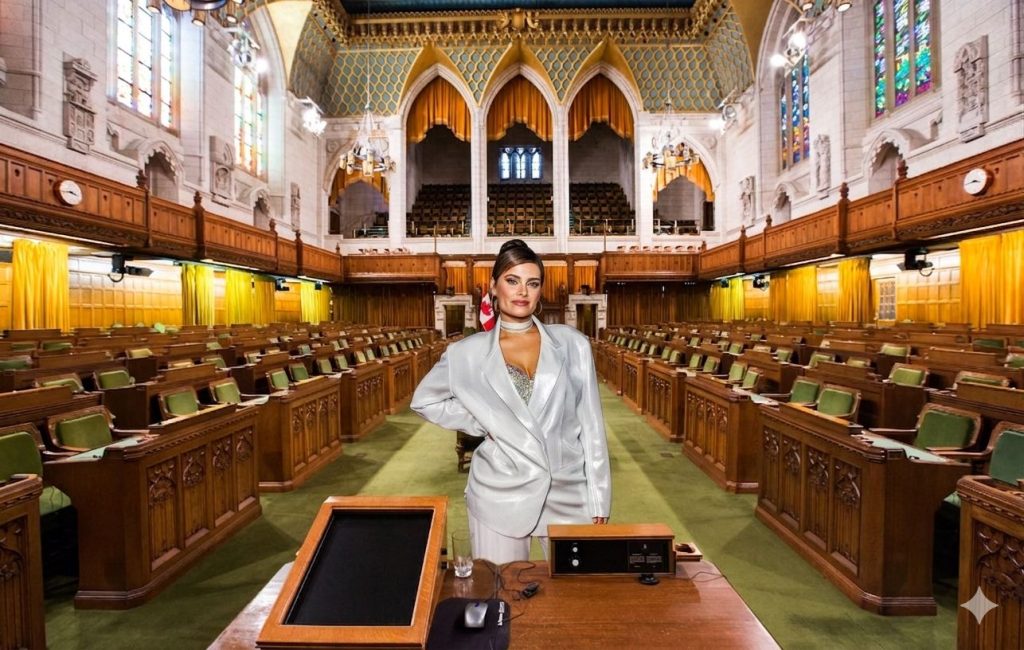
PM Nelly Furtado’s Immigration Amnesty Announcement

Policy Shift: Amnesty for Immigrants

In a dramatic and heartfelt address to the nation, Prime Minister Nelly Furtado announces her decision to grant amnesty to all undocumented immigrants currently residing in Canada. This comes as a direct counter to Marc Miller’s previously proposed deportation plan.

  • Core Message:
    “It is impolite, unjust, and un-Canadian to invite immigrants to our shores, have them build lives here, and then force them to leave. Canada stands for compassion and fairness, and that means offering these individuals the chance to stay and thrive.”
  • Immediate Actions:
    • All deportation orders are temporarily suspended.
    • A streamlined path to citizenship or permanent residency is established for undocumented immigrants who meet specific criteria, such as employment, community ties, or a clean criminal record.
  • Long-Term Immigration Policy:
    While Furtado acknowledges the challenges of integrating new arrivals, she proposes a “cooling down” period for future immigration to allow Canada to focus on supporting current residents and building infrastructure.

Tax Breaks for Large Families

To address Canada’s aging population and the strain on retirement systems, Furtado introduces a bold plan to incentivize larger families:

  • Economic Rationale:
    “A growing population is essential for a thriving economy and a sustainable future. By supporting families, we invest in the next generation of Canadians who will keep our country strong.”
  • Key Measures:
    • Tax breaks for families with three or more children.
    • Expanded child care subsidies and parental leave benefits.
    • Investments in education and health care to ensure every child has access to opportunities.

Public Reaction

  1. Supporters:
    • Immigrant advocacy groups and progressive Canadians praise Furtado’s compassionate stance.
    • Economists highlight the potential for increased labor force participation and economic growth from both amnesty and family-focused policies.
  2. Critics:
    • Opponents argue that the amnesty could strain public resources and set a precedent for future waves of undocumented immigration.
    • Fiscal conservatives question the cost of tax breaks and expanded social programs.

Cultural and Political Impact

  • A Pop Icon’s Leadership: Nelly Furtado’s background as a global music star and daughter of Portuguese immigrants lends authenticity to her message of inclusivity and hope.
  • Rebranding Canadian Politics: Her leadership style blends charisma, empathy, and pragmatism, appealing to a broad base of Canadians.
What do you think of this post?
  • Awesome (0)
  • Interesting (0)
  • Useful (0)
  • Boring (0)
  • Sucks (0)

Nelly Furtado: A Voice for Canada

It started as a dream—a dream that took root in Nelly Furtado’s heart as she watched her home country face growing challenges. Food insecurity was rising, and climate change was making traditional farming less reliable. The Canada she loved, the one she sang about in her songs, deserved better.

So, Nelly decided to act.

Her journey from global pop star to Prime Minister of Canada was as unexpected as it was inspiring. Her platform was bold, centered on one core idea: ensuring that every Canadian had access to healthy, affordable food. Her campaign slogan, “Feed the Future,” resonated across the nation.

What set Nelly apart was her innovative vision. She championed a groundbreaking agricultural method called electroculture, which used electrical fields to enhance plant growth, improve yields, and reduce the need for chemical fertilizers. It was sustainable, affordable, and, most importantly, effective.


The First 100 Days

When Nelly Furtado was sworn in as Prime Minister, she wasted no time. Her government launched the Bumper Crops for Canadians Act, a sweeping policy that invested heavily in electroculture technology.

“We have the resources, the knowledge, and the passion to lead the world in sustainable agriculture,” she declared in her inaugural address. “No Canadian should go hungry, and no farmer should feel left behind.”

Under her plan, electroculture pilot projects were set up across the country, from the fertile valleys of British Columbia to the vast prairies of Saskatchewan and the rugged farmland of Newfoundland. Farmers were provided with training and subsidies to adopt the technology, and research centers were established to refine and expand its applications.


A New Era for Canadian Agriculture

The results were astonishing. Within a year, Canada’s crop yields had increased by 40%. Fields once vulnerable to drought or frost were thriving, producing vibrant, nutrient-rich fruits and vegetables. Small-scale farmers, many of whom had struggled to compete with industrial agriculture, found new opportunities to grow and sell their produce.

Nelly’s policy didn’t just feed Canadians—it revitalized rural communities. Farmers markets flourished, schools introduced farm-to-table programs, and urban areas embraced rooftop gardens powered by electroculture.

Nelly herself became a symbol of the movement. She often visited farms, donning rubber boots and chatting with farmers about their successes and challenges. Her authenticity endeared her to the public, and her background as a musician added a touch of charm to her political persona.


Critics and Challenges

Of course, there were critics. Some questioned the long-term viability of electroculture, while others accused her of neglecting other pressing issues. But Nelly faced these challenges head-on, emphasizing that food security was the foundation of a healthy, prosperous society.

“We can’t build a strong nation on empty stomachs,” she said during a heated parliamentary debate. “This is about more than food—it’s about dignity, resilience, and the future of our children.”


A Nation Transformed

By the end of her first term, Nelly’s policies had transformed Canada. Hunger rates plummeted, and the country became a global leader in sustainable agriculture. International delegations visited to learn about electroculture, and Canadian farmers began exporting their knowledge and techniques to countries in need.

But for Nelly, the greatest reward was seeing the impact on everyday Canadians. Families no longer had to choose between paying rent and buying groceries. Children grew up with access to fresh, healthy meals. Communities came together to celebrate the bounty of their land.


One evening, as Nelly stood on a farm in Prince Edward Island, watching the sunset over fields of golden wheat, a reporter asked her what she thought about her journey.

Nelly smiled, her eyes reflecting the orange glow of the horizon. “I’ve always believed in the power of a good song to bring people together,” she said. “Now, I believe in the power of good food to do the same. Canada’s story is just beginning, and I’m proud to be part of it.”

And as the wind carried the scent of fresh earth and the promise of tomorrow, it was clear that Nelly Furtado had not just led Canada—she had nourished it, body and soul.

What do you think of this post?
  • Awesome (0)
  • Interesting (0)
  • Useful (0)
  • Boring (0)
  • Sucks (0)

PM Furtado Not PM Furtado

Crazy Joe Kiboshed/Cancelled slangin rock

CONCLUSION

Nelly Furtado has revealed that she used to be in a gang. The Canadian singer was part of a high-school gang called the ‘Portuguese Mafia’, but has admitted that she was thrown out for being rubbish at throwing stones. The ‘I’m Like a Bird’ star said: “I was in a high-school gang called the Portuguese Mafia.Sept 17, 2012

What do you think of this post?
  • Awesome (0)
  • Interesting (0)
  • Useful (0)
  • Boring (0)
  • Sucks (0)
Translate »