Coelho Family Psyops

Title: Pellet Guns and Psyops

Joe Jukic sat on the old wooden fence behind the house, turning the little pellet gun in his hands like it was a relic from another life.
โ€œBack in the day,โ€ Joe said, shaking his head, โ€œmy friend Joseph Coelho thought he was turning me into a soldier.โ€

Bruno raised an eyebrow. โ€œWith a pellet gun?โ€

โ€œYeah,โ€ Joe laughed. โ€œHe said, โ€˜Joe, you gotta be ready. The Serbs are coming.โ€™ So there I was in the backyard, training like it was some kind of Balkan war academy.โ€

Bruno smirked. โ€œFearsome weapon.โ€

Joe held up the pellet gun. โ€œThis thing? I was supposed to defend civilization with this.โ€

They both laughed.

Joeโ€™s smile faded a little.

โ€œBut you know who stopped me?โ€

โ€œWho?โ€

โ€œMy best friend,โ€ Joe said. โ€œJoe Coelho. He looked at me one day while we were practicing and said, โ€˜Put the gun down.โ€™โ€

Bruno leaned forward. โ€œWhat did he do?โ€

Joe tapped his temple.

โ€œHe handed me a website. Psywarrior.โ€

He shrugged.

โ€œI started reading about psychological warfare. Propaganda. Information battles. Minds instead of bullets.โ€

Bruno nodded slowly. โ€œThe battlefield moves.โ€

Joe set the pellet gun down on the fence.

โ€œAnd thatโ€™s when I realized something,โ€ he said. โ€œYou donโ€™t need guns when you understand narratives. Wars are fought in peopleโ€™s heads first.โ€

He pointed to the little gun.

โ€œThis thing was a toy. Real power is persuasion.โ€

A sparrow landed on the fence nearby, chirping.

Joe watched it for a moment.

Then he spoke softly.

โ€œWhich reminds meโ€ฆ I owe someone an apology.โ€

โ€œWho?โ€

Joe looked up toward the sky.

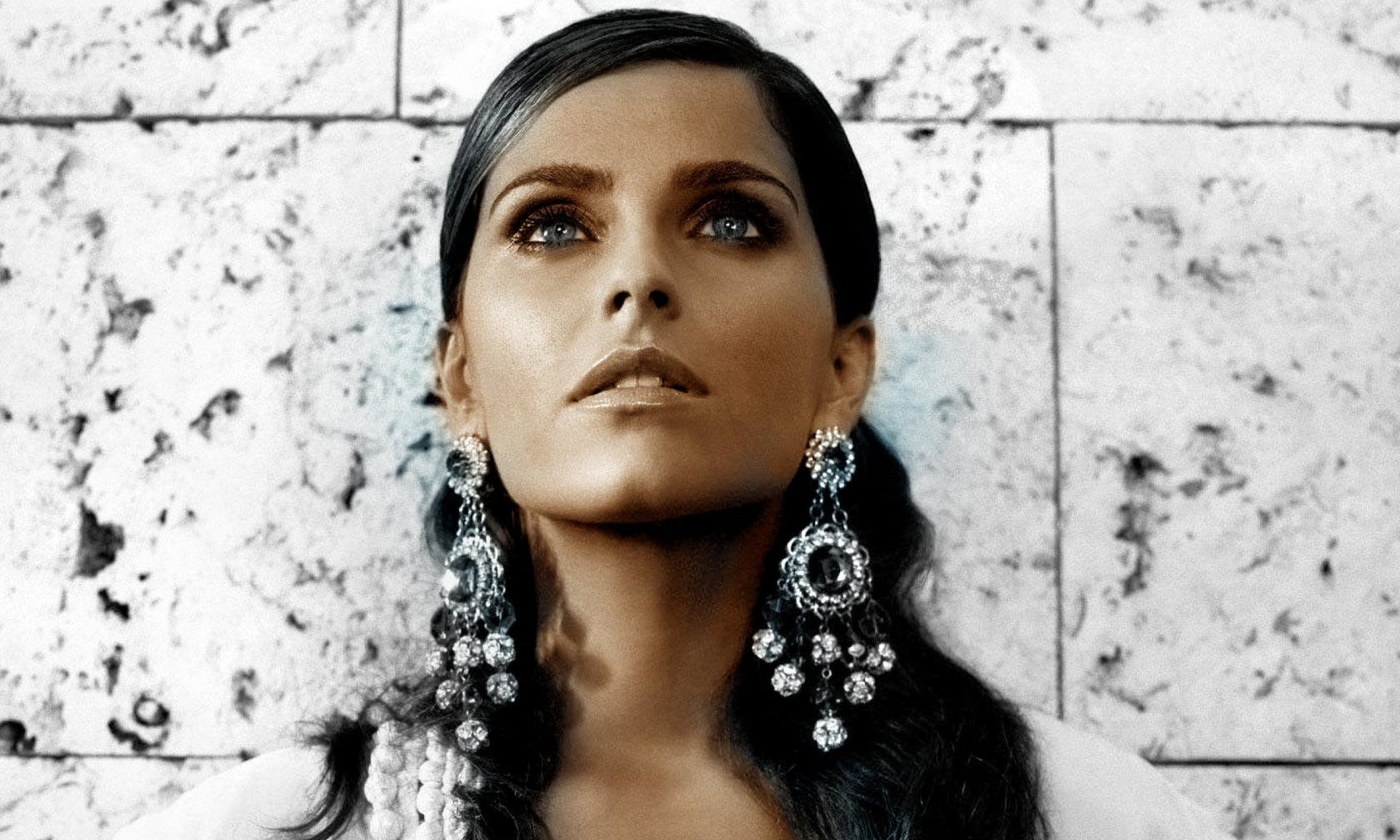
โ€œNelly.โ€

Bruno chuckled. โ€œFor what?โ€

Joe gestured toward the birds.

โ€œFor the way I treated her feathered bird friends back when I thought I was training for war.โ€

The sparrow hopped closer.

Joe raised his hands in surrender.

โ€œRelax, little guy,โ€ he said. โ€œThose days are over.โ€

Bruno folded his arms. โ€œSo what now, General?โ€

Joe grinned.

โ€œNo gun,โ€ he said.

He tapped his head again.

โ€œJust psyops.โ€

What do you think of this post?
  • Awesome (0)
  • Interesting (0)
  • Useful (0)
  • Boring (0)
  • Sucks (0)

War Without Guns

Hacksaw Ridge (2016) is a biographical war drama directed by Mel Gibson, based on the true story of Desmond Doss, a World War II combat medic and conscientious objector. The film chronicles his experiences during the Battle of Okinawa, where Doss displayed extraordinary courage by saving the lives of 75 men without carrying or using a weapon.

Key Aspects of Hacksaw Ridge:

  1. Desmond Doss: Portrayed by Andrew Garfield, Doss was a Seventh-day Adventist who, due to his religious beliefs and personal convictions, refused to bear arms or kill enemy soldiers. He enlisted in the U.S. Army as a combat medic, determined to save lives on the battlefield. His pacifism led to tension with fellow soldiers and military superiors, but his bravery and commitment were ultimately recognized.
  2. Battle of Okinawa: The film’s climax focuses on the ferocious fighting that took place on Okinawa, specifically at the titular “Hacksaw Ridge” (Maeda Escarpment). The U.S. military faced heavy resistance from entrenched Japanese forces, and it was in this brutal setting that Doss’s heroics took place. He single-handedly rescued soldiers under fire, lowering them down the ridge to safety.
  3. Themes:
    • Faith and Conviction: Doss’s unwavering belief in his principles is central to the film, exploring the tension between personal beliefs and the demands of military duty.
    • Courage in Combat: Even without a weapon, Doss proves that heroism isn’t confined to the battlefield alone, as his courage under fire saved countless lives.
    • Redemption and Respect: Initially ridiculed and ostracized by his fellow soldiers, Doss ultimately earns their respect through his actions during the battle.
  4. Awards and Reception: Hacksaw Ridge received widespread acclaim, particularly for its intense and realistic depiction of combat, Andrew Garfield’s performance, and Mel Gibson’s direction. It was nominated for multiple Academy Awards, winning two: Best Film Editing and Best Sound Mixing.

The film is both a war movie and a deeply personal story about one manโ€™s moral beliefs and his journey to becoming a national hero.

Psychological Operations (PsyOps) refer to planned operations that use psychological tactics to influence the perceptions and behaviors of individuals, groups, and foreign governments. These operations aim to convey information and messages that can persuade or manipulate targeted audiences to achieve specific objectives. PsyOps are often employed by military and intelligence organizations but can also be used in political campaigns, public relations, and social movements.

Key Aspects of PsyOps:

  1. Objectives:
    • Influence Behavior: PsyOps aim to affect the behavior of target audiences, often to gain compliance, support, or cooperation.
    • Shape Perceptions: Operations are designed to create a favorable view of an organization or government, or to discredit an opponent.
    • Reduce Enemy Morale: PsyOps may be used to diminish the resolve of adversaries, leading to lower morale among troops or civilians.
  2. Methods:
    • Media Campaigns: Utilizing various media platforms (television, radio, social media) to disseminate targeted messages.
    • Leaflets and Posters: Distributing printed materials in conflict zones to spread information or misinformation.
    • Psychological Warfare: Engaging in tactics that create fear, uncertainty, or doubt within enemy ranks or civilian populations.
    • Cultural Manipulation: Exploiting cultural symbols and narratives to sway public opinion.
  3. Types of PsyOps:
    • White PsyOps: Operations where the source of information is openly acknowledged.
    • Gray PsyOps: Operations where the source is not clearly identified, allowing for plausible deniability.
    • Black PsyOps: Operations that involve misinformation or deception, presenting false information as if it were true.
  4. Historical Examples:
    • During World War II, both Allied and Axis powers used PsyOps to influence enemy troops and civilian populations.
    • In the Cold War, propaganda campaigns were used extensively by both the U.S. and the Soviet Union to shape public perception and gain ideological support.
  5. Ethical Considerations:
    • PsyOps can raise ethical questions, particularly regarding misinformation and manipulation. The line between influence and deception can be blurred, leading to potential negative consequences.

Modern Context:

With the rise of digital communication and social media, PsyOps have evolved significantly. Techniques now often include data analytics to target specific demographics and the use of bots and fake accounts to spread misinformation.

Understanding PsyOps is crucial in today’s information-driven environment, where narratives can rapidly change and influence public opinion on a large scale. I

What do you think of this post?
  • Awesome (0)
  • Interesting (0)
  • Useful (0)
  • Boring (0)
  • Sucks (0)

The Last Song to Go Through The Orlando Shooter’s Mind

In 1988, N.W.A. frontman Eazy E rapped about an encounter with a …

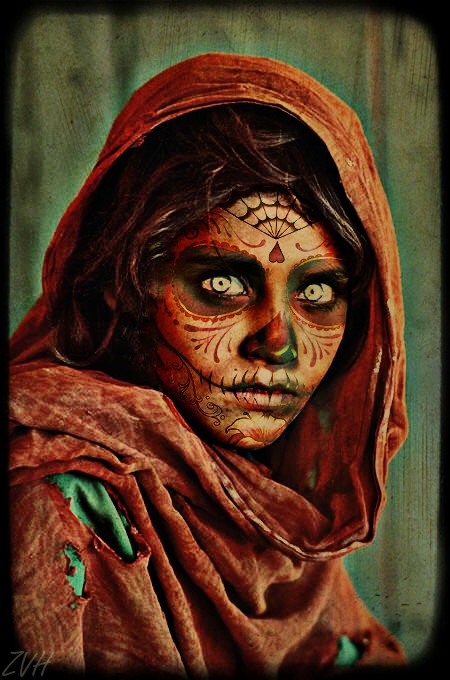
Afghan Girl Day of The Dead

http://sinj.com/18/

Music in psychological operations

From Wikipedia, the free encyclopedia

Music has been used in psychological operations. The term music torture is sometimes used by critics of the practice of playing loud music incessantly to prisoners or people besieged.

The United Nations and the European Court of Human Rights have banned the use of loud music in interrogations.[citation needed] The term torture is sometimes used to describe the practice. While it is acknowledged by US interrogation experts that it causes discomfort, it has also been characterized by them as causing no “long-term effects.”[1]

Music and sound have been usually used as part of a combination of interrogation methods, today recognized by international bodies as amounting to torture.[2] Attacking all senses without leaving any visible traces, they have formed the basis of the widely discussed torture in Guantanamo and Abu Ghraib. They were, however, devised much earlier in the 1950s and early 1960s, as a way to counter so-called Soviet โ€œbrainwashingโ€.[3] They include:

sensory deprivation
stress positions
sleep deprivation
food and drink deprivation
continuous music or sound

What the Americans do to Afghans at their base in Cuba. The eyes of the moon have the mystery of why the Orlando Shooter went on his Jihad. No tears for Afghanistan from the brainwashed Babylonians

What do you think of this post?
  • Sucks (1)
  • Awesome (0)
  • Interesting (0)
  • Useful (0)
  • Boring (0)
Translate ยป